
Who Pays for the Damage We Leave Behind?
Beyond the blame game, our region must choose shared responsibility over delay
By Hilton Collier
The blame game now playing out in the media may make for strong headlines, but it risks distracting us from the real issue facing Tairāwhiti. Our region is confronting an estimated $600 million transition towards more sustainable land use. Irrespective of who made what decisions, or which agency should have acted sooner, that is the scale of the challenge now before us.
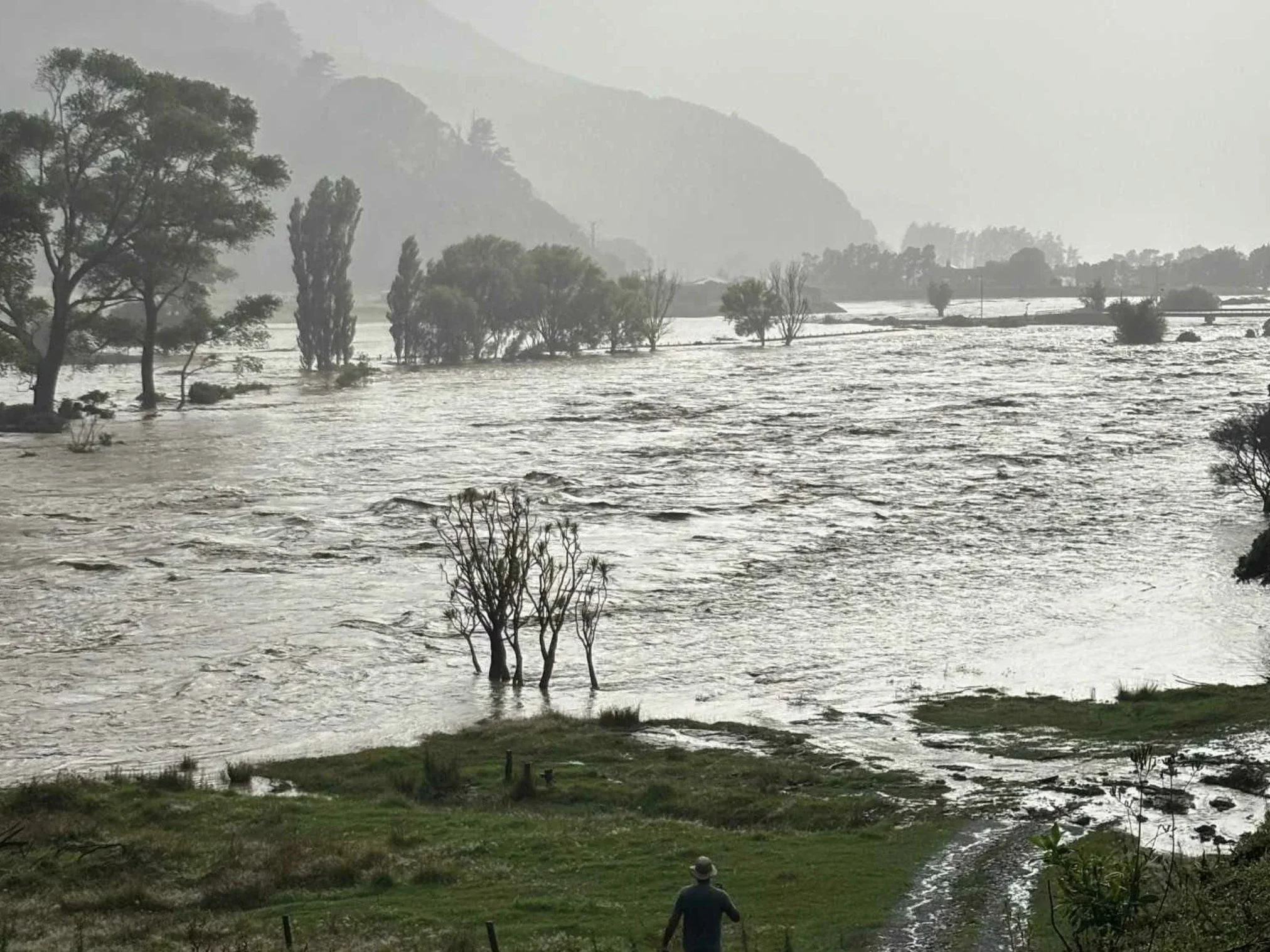
Accountability matters. Communities have carried the impacts of sediment, slash and woody debris through repeated weather events. Homes, roads, bridges, farms, orchards, waterways and beaches have all paid a price. But if the conversation becomes only about blame, we will miss the harder task: deciding how we respond together before the next major storm.
As a matter of principle, people should enjoy a high degree of private property rights. But those rights must be balanced by a matching obligation to keep the effects of land-use decisions within the boundaries of the properties we own. We live within a shared environment. Our beautiful beaches remind us that we cannot privatise the benefits of land use while leaving the wider community to carry the costs.
There is no question our land use must change. The question is how we manage that change in a way that delivers solid environmental outcomes while protecting livelihoods, jobs and the resilience of our regional economy. We need practical solutions that reduce the immediate risks of sediment and woody debris, while keeping strong businesses on the land and creating new opportunities for the future.
That will require contribution from everyone: central government, local government, forestry, farming, iwi, Māori landowners, industry, science, philanthropy and communities themselves. No single group can carry the cost alone, and no single group should dictate the answer. The transition must be fair, practical, funded and grounded in the realities of this place.
For Māori landowners, the challenge is especially complex. Much of our whenua is steep, fragile and historically constrained by underinvestment, fragmented ownership and limited access to capital. Any transition framework must recognise that context and support enduring decisions, not shift costs onto those least able to absorb them.
Some work must happen immediately: removing high-risk debris, stabilising vulnerable sites, improving catchment planning and reducing risks before the next event. Other work will take years: changing land use, restoring permanent vegetation, building new industries and reshaping how value is created in the region.
No one wants to pay. That is the uncomfortable truth underneath much of this debate. But how we found ourselves here is now less important than whether this generation is prepared to begin solving it. If we do not act, the bill will not disappear. It will be passed to our children, along with a more damaged landscape and fewer choices about how to repair it.
The call to action is urgent: we cannot wait for another storm, another inquiry, or another round of finger-pointing before we move. Our community must demand a clear regional plan now, bring practical solutions forward, support fair funding arrangements, and insist that decision-makers act with the speed and seriousness this moment requires. Every part of Tairāwhiti has a stake in the answer — and every delay makes the eventual cost harder to carry.
Tairāwhiti has never lacked resilience. What we need now is focus, courage and shared responsibility. The real test is whether we can move beyond blame and build a fair, funded pathway that protects our whenua, waterways and people, while enabling a strong economy that sets its own course. That is the decision before us: begin the work now, or leave a harder and more expensive problem for the next generation.