
Many hands, one purpose
What the East Cape Flood Relief Day revealed about partnership, leadership and the strength of community
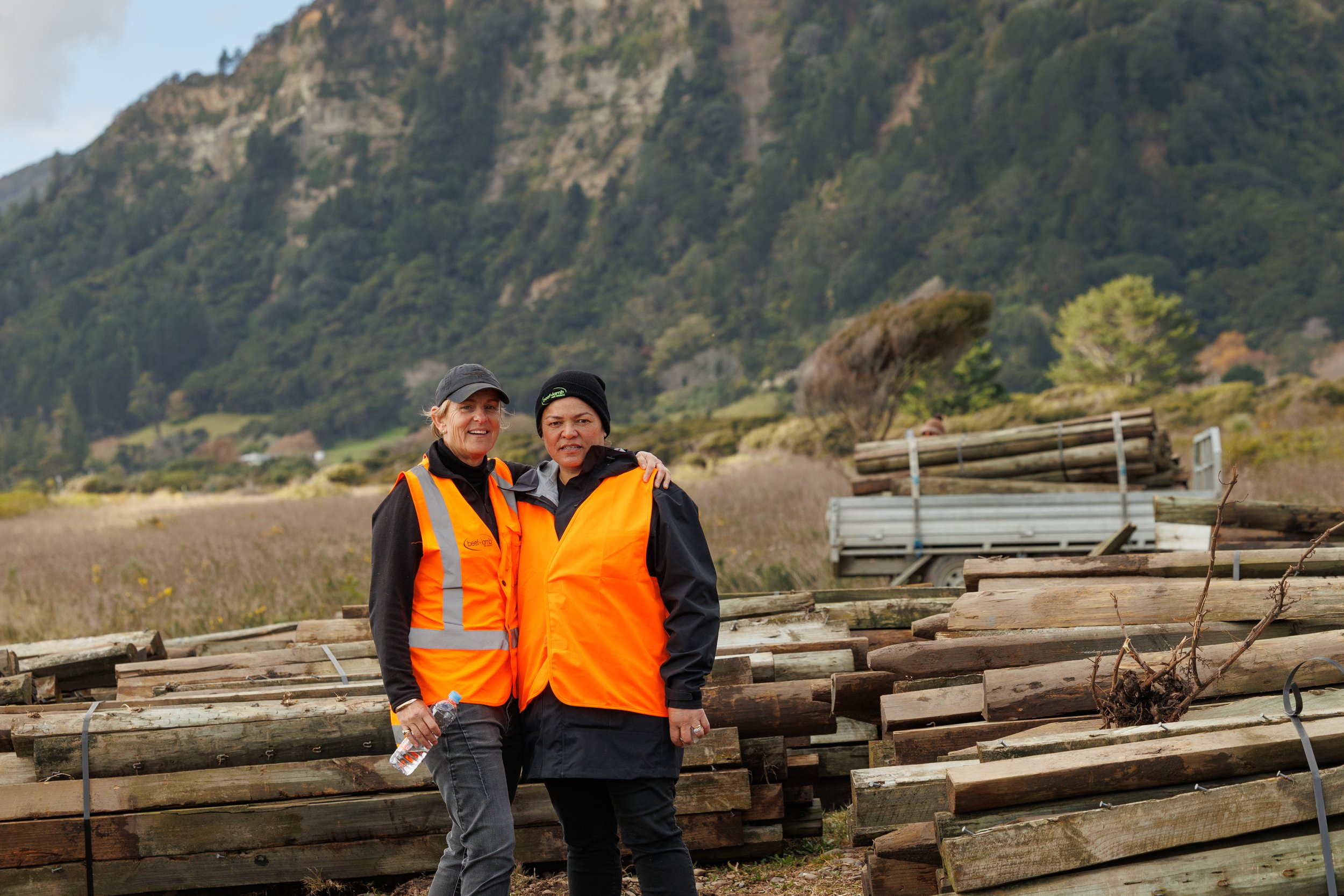
Partnership is often described through governance arrangements, funding contracts or formal agreements between organisations. Yet it’s true strength is rarely revealed in boardrooms or strategic plans. It becomes visible when communities face adversity and people choose to work together because years of trust, shared purpose and mutual respect have made collaboration the natural response.
The East Cape Flood Relief Day provided a compelling example of that principle in action.
Seven months after severe flooding again disrupted farming communities across the East Coast, the day brought together farmers, iwi, rural organisations, trusts, businesses, volunteers and service providers around a shared purpose: supporting the ongoing recovery of farming whānau. At face value, the kaupapa was practical. Thousands of donated fence posts alongside other new fencing materials were distributed in packs to properties still rebuilding damaged infrastructure, while organisations offered advice, technical expertise and support. Yet reducing the day to the distribution of resources alone would overlook its greatest contribution. More importantly, it demonstrated what becomes possible when relationships, rather than individual organisations, become the foundation for collective action.
Community responses of this scale rarely happen by chance. Months of bringing together long-standing relationships, planning and coordination were required to bring together sponsors, trusts, incorporations, industry partners, volunteers and service providers around a common vision. The logistical challenge of sourcing and transporting materials and people into one of New Zealand's most remote farming regions was significant, yet it ultimately reinforced an important lesson: genuine partnership is measured not by convenience, but by a willingness to overcome complexity together in pursuit of outcomes that matter.
That commitment was evident throughout the day. Organisational boundaries quietly gave way to a shared kaupapa as businesses, iwi organisations, rural agencies, community groups and volunteers worked alongside one another with little regard for individual mandates. Service providers listened as much as they advised, volunteers stepped into whatever role was required, and farming whānau supported neighbours while continuing to rebuild their own properties. Leadership was not defined by hierarchy or ownership, but by a collective willingness to contribute wherever it was needed.
"The day reflected the ngakau and aroha we have for the people. This was never about one organisation delivering an event. It was about bringing together people who all believed our farming communities deserved to know they hadn't been forgotten. Watching so many organisations willingly contribute their time, resources and expertise reinforced just how much can be achieved when relationships come first and everyone commits to the same kaupapa." - Pania King, Mātanga Whenua Māori, B+LNZ
This spirit has long defined Te Tairāwhiti. Community resilience and generosity are not qualities reserved for times of crisis; they are reflected in the everyday decisions people make to care for one another, often while navigating significant challenges themselves. The East Cape Flood Relief Day became another expression of that enduring character, reminding us that the region's greatest strength lies not simply in its people, but in the relationships that continue to bind communities together through adversity.
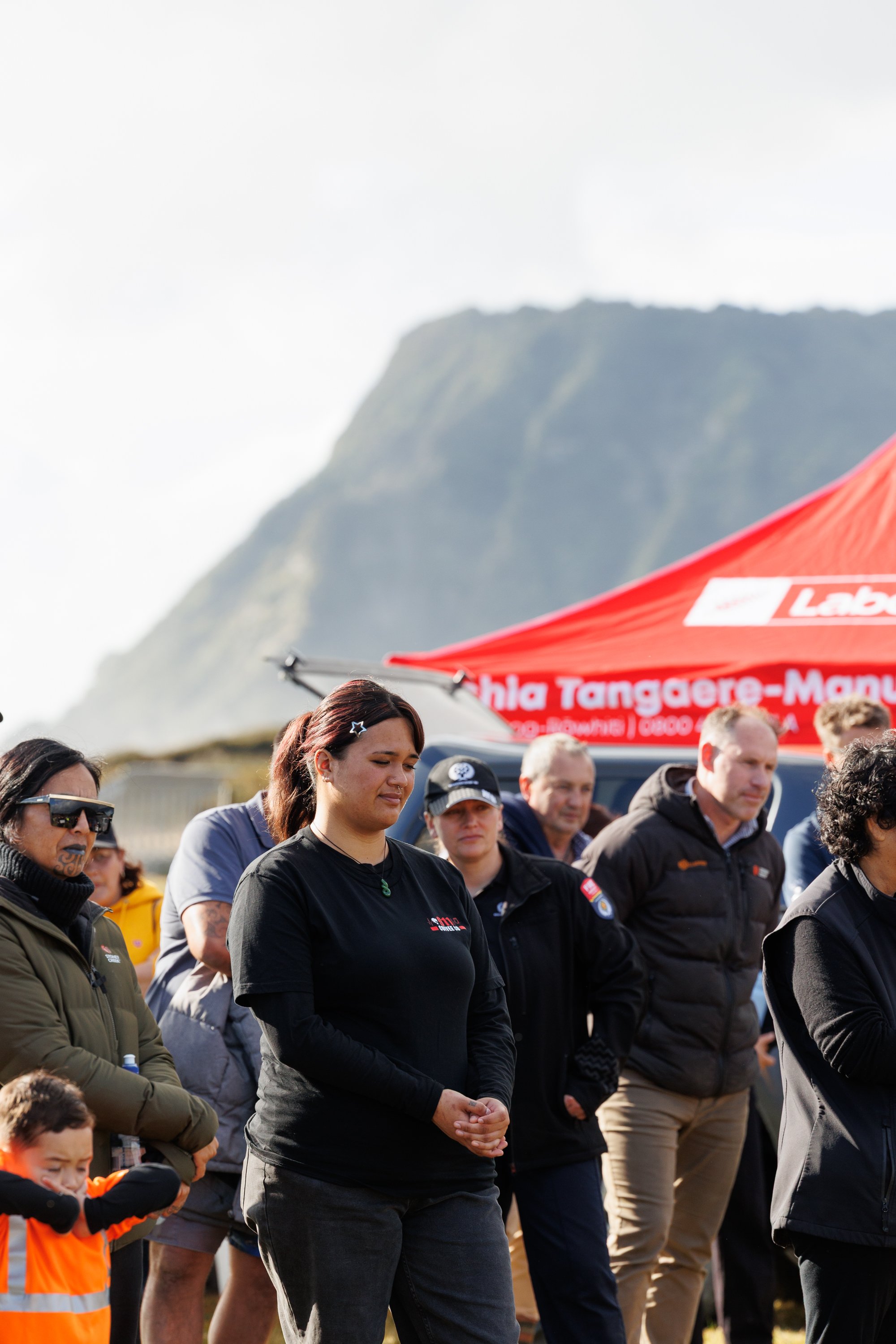
At the same time, the day offered a broader reflection. Community resilience is one of Te Tairāwhiti's greatest assets and deserves to be recognised, celebrated and continually invested in. It should never, however, become something quietly relied upon to carry an ever-increasing share of the recovery burden. Strong communities are strongest when their leadership is matched by equally strong partnerships that recognise recovery as a shared responsibility rather than a local obligation.
Among those partnerships, B+LNZ deserves particular acknowledgement. Recognising that recovery across the East Coast remained unfinished, Beef + Lamb, together with its wider Māori Agribusiness team, played a pivotal role in bringing the East Cape Flood Relief Day to life. Their contribution extended well beyond sponsorship. Through months of coordination, relationship-building and logistical planning, they connected partners, mobilised resources and created the conditions for a genuinely collective response. It was leadership measured not by visibility, but by the ability to bring others together around a shared purpose.
"Beef + Lamb New Zealand was proud to help bring partners together, but the real success belongs to the community. Every organisation, every volunteer and every partner demonstrated what is possible when we choose to work collectively around a shared purpose." - Patrick Crawshaw - ENI Director, B+LNZ
From that foundation, the response became unmistakably Te Tairāwhiti. Farmers, landowners, Trusts, incorporations, iwi organisations, businesses, contractors, volunteers and service providers each contributed according to their strengths. Some donated materials, others provided transport, machinery, sponsorship, professional expertise, volunteer labour or essential services. Together, those individual contributions formed a collective investment estimated at approximately $250,000.
Significantly, that mobilisation occurred without direct central government funding, demonstrating the extraordinary willingness of industry, iwi, trusts, businesses and communities to continue investing in East Coast recovery because they recognised that the work was far from over. While that generosity deserves to be celebrated, it should also remind us that community resilience is something to strengthen and invest alongside - not quietly relied upon to carry the long-term weight of recovery alone.
As the day drew to a close, the acknowledgement boards represented far more than a list of supporters. Every name reflected a relationship built over years, a conversation that began with "how can we help?" and a willingness to contribute whatever was possible. To B+LNZ, Te Rimu Trust, Farmlands, Trust Tairāwhiti, Tronpnui, Rural Support Trust, PGG Wrightson’s, Indevin, the farming community and farmers, every sponsor, partner, trust, incorporation, iwi organisation, business, contractor, volunteer and service provider - thank you. Your generosity extended far beyond the practical resources delivered on the day. You reminded farming whānau that their recovery continues to matter, and in doing so demonstrated what genuine partnership looks like when communities are placed at the centre.
Ultimately, the East Cape Flood Relief Day demonstrated that partnership is not measured by who receives recognition, but by who accepts responsibility. The fence posts will, over time, disappear into repaired fences and productive farms. The relationships that made them possible, however, will continue strengthening the region long after the final post has been driven into the ground. That may prove to be the day's greatest legacy - not simply the practical support it delivered, but the reminder that resilient communities deserve partnerships equally committed to walking the journey alongside them.