After the Headlines Leave: What recovery asks of all of us
Every disaster has a quieter chapter.
It comes after the emergency declarations have expired, the helicopters have left and the headlines have moved on. It is the stage where recovery settles into everyday life, where fences still need rebuilding, stock still need managing, and families continue navigating uncertainty. The urgency may have passed, but the work quietly continues.
It is within this quieter phase that the true measure of recovery begins to emerge.
Seven months after severe flooding again disrupted our East Coast, many farming whānau across Te Tairāwhiti continue to live this reality. While much of the country has understandably shifted its attention elsewhere, recovery remains woven into daily life. Damaged fencing continues to affect stock movement, productive land is still being restored, and the cumulative pressures of rebuilding continue to shape farming businesses across the region. The East Cape Flood Relief Day, held on 31 July, grew from this reality.
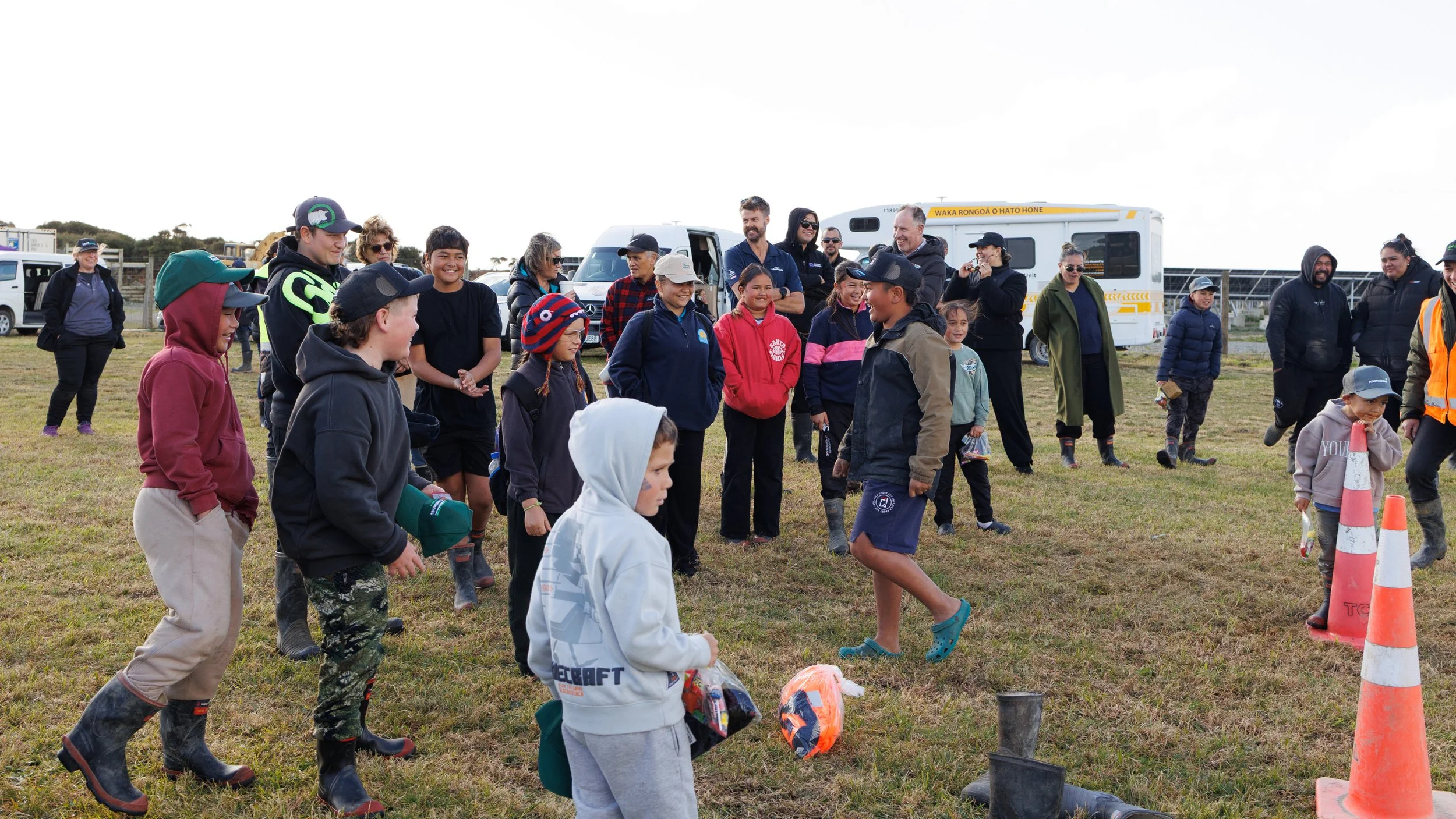
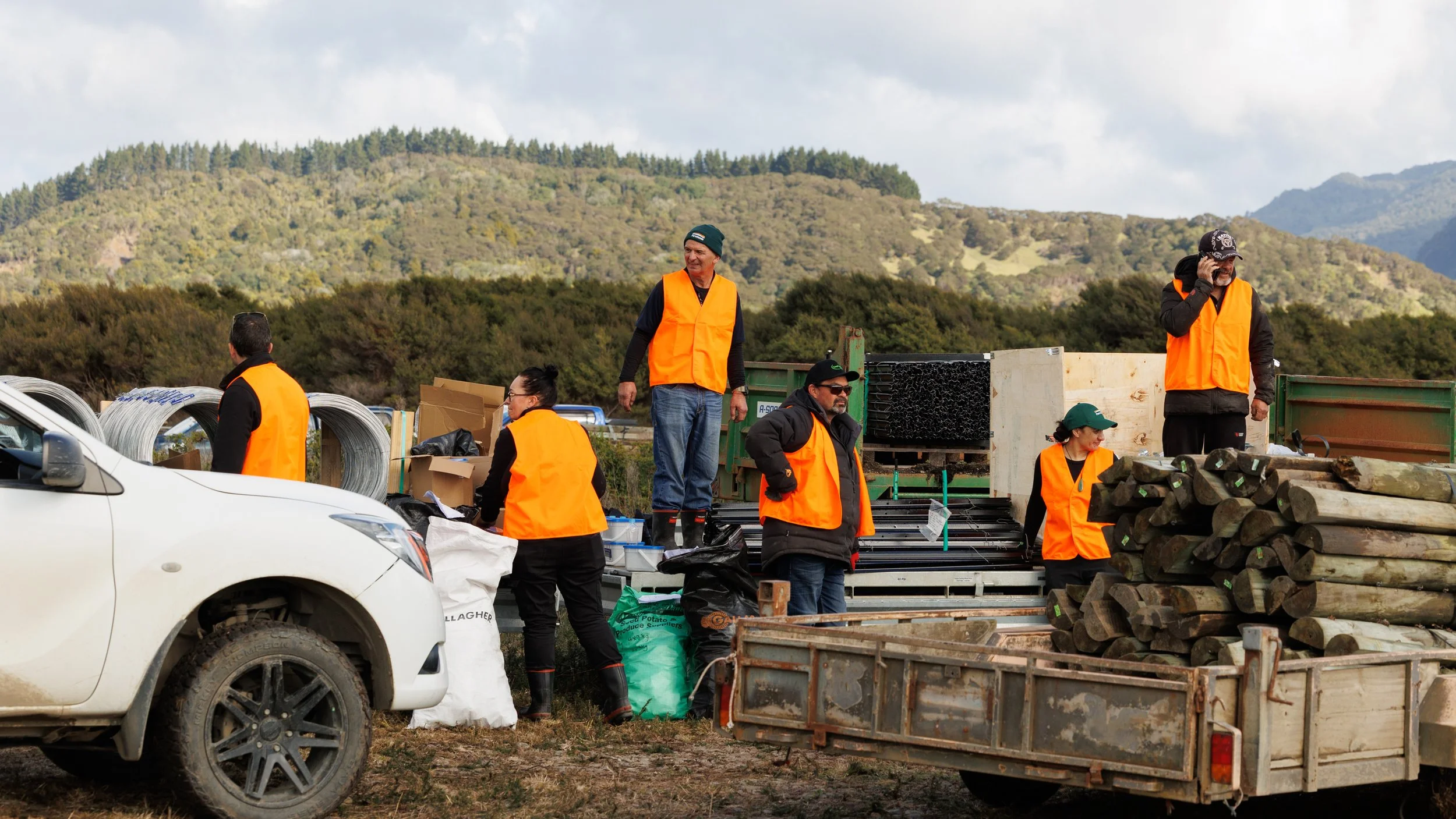
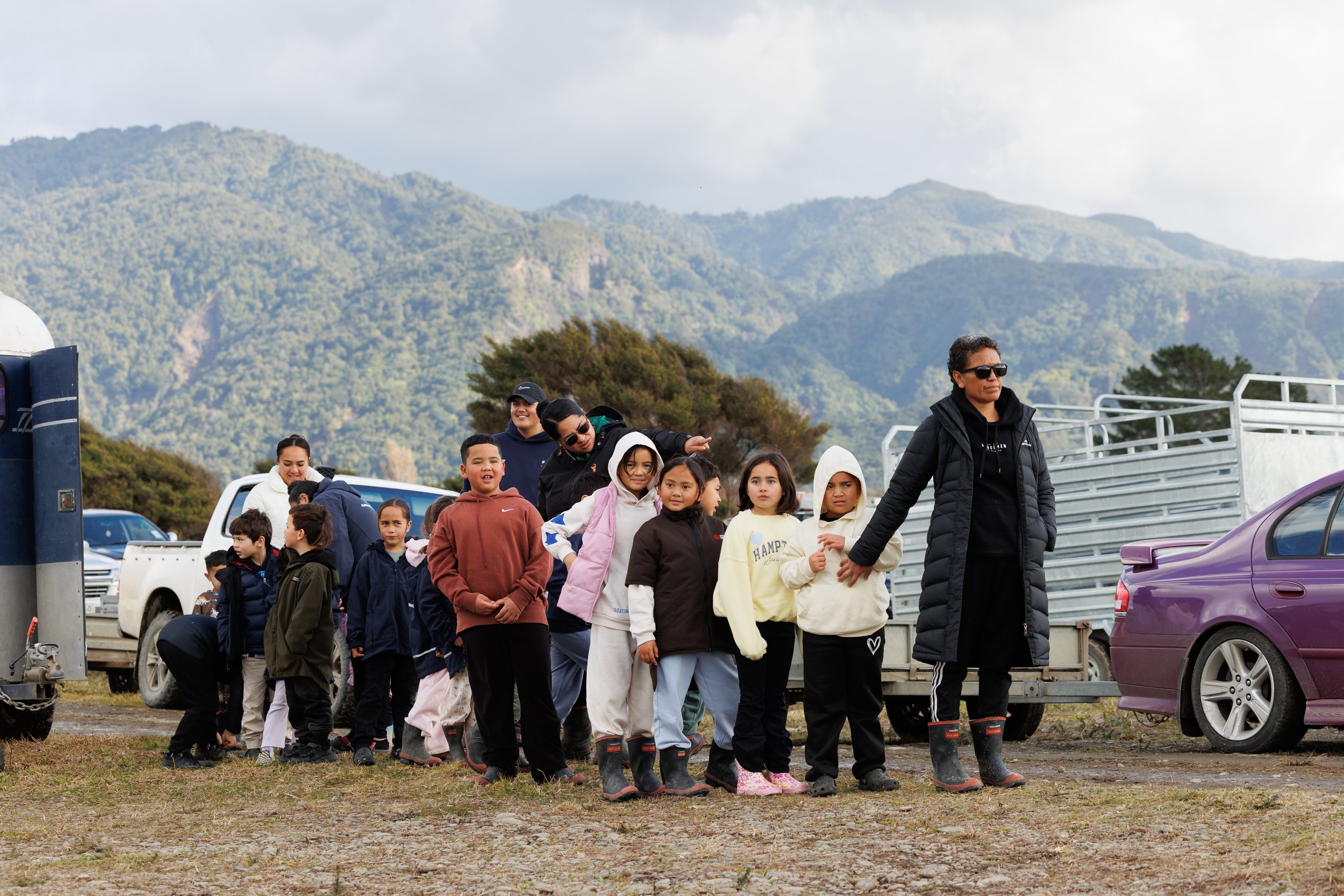
It was never intended as a fundraiser or a public demonstration. Rather, it was a practical response to a practical problem. Thousands of donated fence posts were distributed directly to farming whānau still rebuilding their properties. Alongside them stood rural organisations, community groups, service providers and volunteers from throughout the region and further, offering advice, practical support and a place for people to reconnect. Throughout the day, around 300 people moved through the site, accessing resources, sharing experiences and supporting one another in ways that reflected the enduring character of this region.
When the value of donated fence posts, transport, volunteer labour, professional expertise and in-kind contributions was considered, the collective investment made by the region was estimated at around $250,000. That figure deserves recognition. Yet perhaps the more significant story is not simply the value of what was contributed, but what it reveals about the way investment works in regions like Te Tairāwhiti. Recovery is sustained not only by funding, but by social capital, trusted relationships and local leadership. Those assets rarely appear on a balance sheet, yet they consistently determine how quickly communities regain confidence, restore productivity and move forward together.
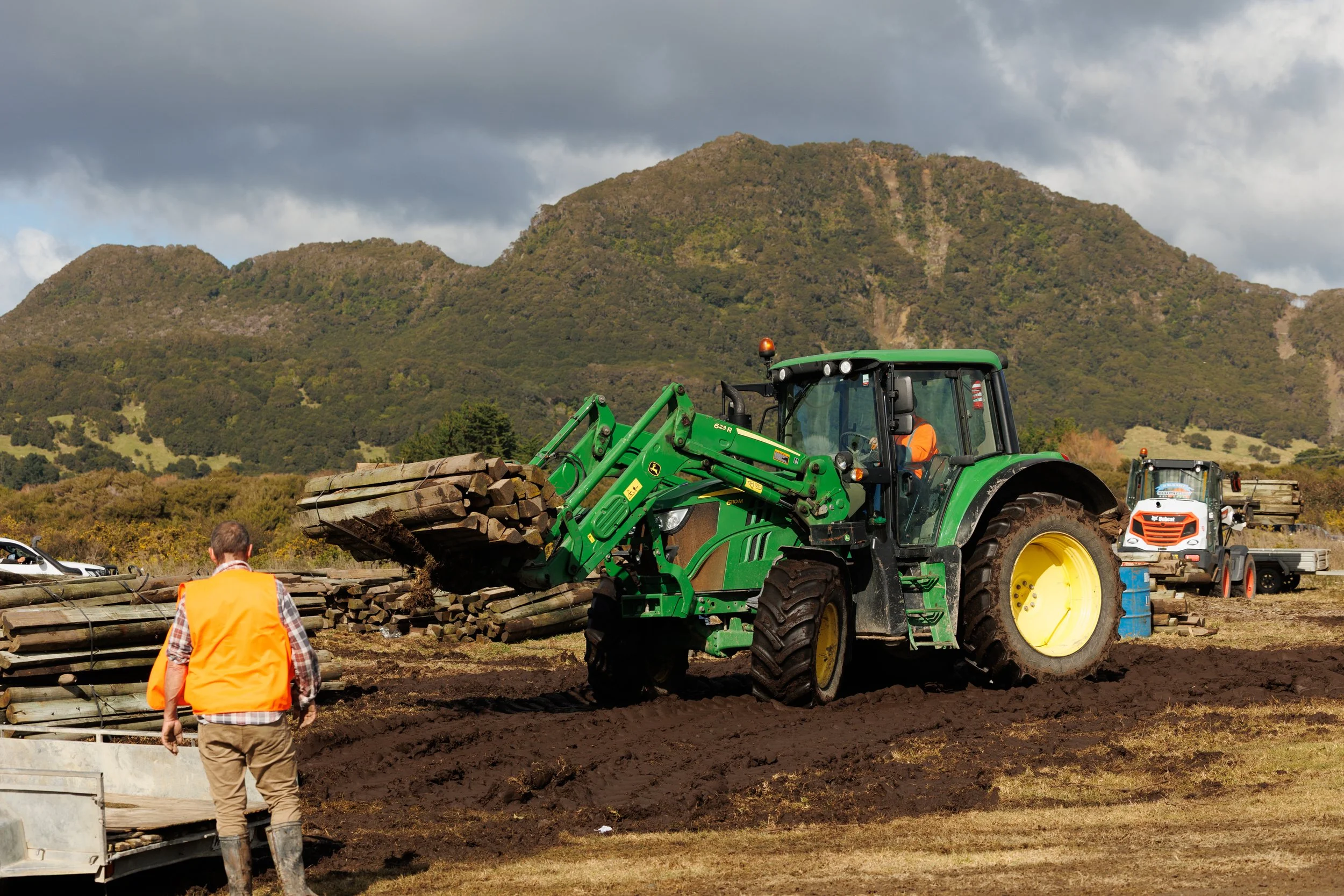
The fence posts were donated with aroha from Indevin Vineyards Tairāwhiti, with whenua Māori and other landowners throughout our region donating towards the cause as well. Businesses contributed resources. Volunteers and community organisations gave their time. Service providers shared their expertise. Farmers who were themselves still rebuilding stood alongside neighbours facing similar challenges. rOganisations that often work independently put aside logos and mandates in favour of a shared purpose. No one paused to ask whose responsibility recovery was. They simply recognised that it remained unfinished and responded accordingly. There is nothing particularly unusual about this in Te Tairāwhiti.
Communities here have long understood that recovery belongs to everyone. That instinct reflects generations of whanaungatanga, reciprocity and collective responsibility that have enabled people to navigate hardship long before resilience became a policy objective or strategic framework. The East Cape Flood Relief Day did not create that capability. It simply revealed it.
As climate-related events become more frequent and recovery periods become longer, that capability becomes increasingly important.
Around the world, disaster recovery research consistently points to the importance of trust, strong local leadership and connected communities. Places characterised by enduring relationships recover more effectively because people already know how to organise, collaborate and support one another before disaster strikes. These relationships are every bit as important as roads, bridges and stop banks. They are the invisible infrastructure upon which recovery depends, and Te Tairāwhiti demonstrated that infrastructure in abundance.
At the same time, the day also offered a gentle reminder that communities are strongest when they are not carrying recovery alone. Community resilience is one of New Zealand's greatest strengths, but it works best when it is matched by sustained investment and enduring partnerships from the organisations, agencies and institutions that exist to walk alongside communities throughout the recovery journey. Recovery, after all, is not simply an event to be managed. It is a long-term investment in people, places and productive landscapes.
That investment should never be viewed as an act of generosity towards a remote region. Te Tairāwhiti contributes far beyond its population, underpinning nationally significant primary industries, export production and land-based economies that support communities well beyond the East Coast itself. The resilience of this region is therefore not simply a local concern. It is intrinsically linked to New Zealand's economic resilience, food and fibre production, and our collective ability to adapt to a changing climate.
Yet this is where the national conversation often becomes disconnected from the realities on the ground. Too often, investment in regions such as Te Tairāwhiti is framed as a response to crisis rather than as a strategic commitment to national resilience. Funding arrives after roads have failed, after productive land has been damaged, and after communities have already absorbed the economic and social cost. It is an approach that repeatedly asks communities to prove their hardship before meaningful investment follows.
There is an irony in this. We readily acknowledge that Te Tairāwhiti is among New Zealand's most climate-exposed regions. We understand the importance of its food and fibre production, its export contribution, and the role it plays in the wider national economy. Yet our investment patterns too often remain reactive rather than preventative. We continue to spend significant public resources rebuilding the same infrastructure and responding to the same consequences, instead of investing with enough foresight to reduce those costs over time.
Good strategy has never been about responding well after systems fail. It is about strengthening those systems before they do. If New Zealand is serious about building long-term resilience, then investment decisions must begin reflecting not only where the greatest risks exist, but where the greatest national opportunities can be protected. Viewed through that lens, investing in Te Tairāwhiti is not preferential treatment. It is prudent, evidence-based nation building.
The question is no longer whether Te Tairāwhiti requires sustained national investment. The question is whether New Zealand can continue to afford delaying it.
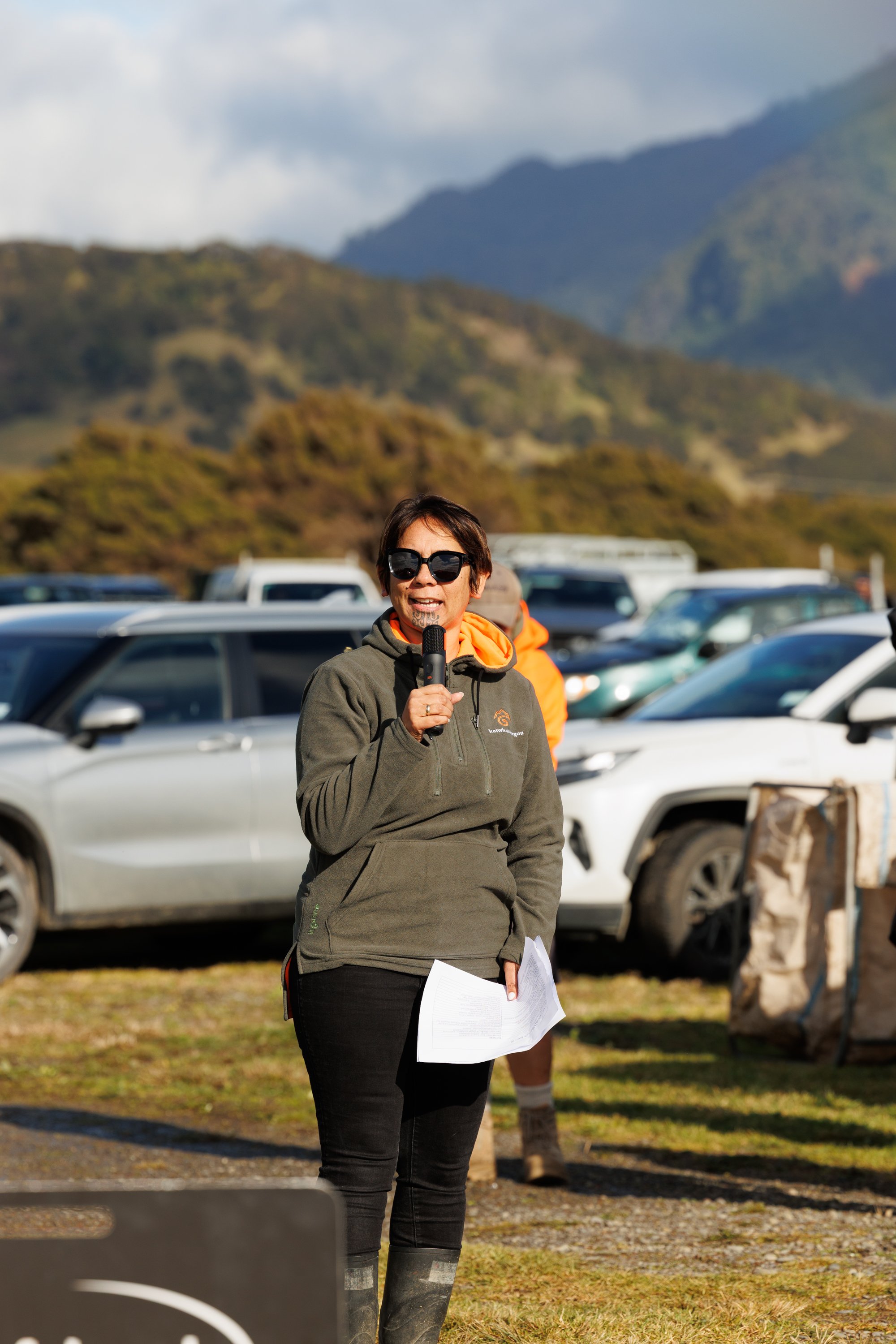
Local MP for Ikaroa-Rāwhiti Cushla Tangaere-Manuel stood alongside her whānau and community throughout the day, reflecting the importance of being present as recovery continues. More broadly, the day also prompted reflection on how valuable it is when national institutions remain visible alongside communities long after the immediate response has passed.
That observation is less about criticism of absence than it is about recognising the value of presence.
Within te ao Māori, relationships are not maintained through transactions alone. They are strengthened ā kanohi, by showing up, listening, sharing space and demonstrating that responsibility extends beyond words. Presence communicates respect. It acknowledges mana. It reminds people that they continue to matter long after the urgency of a crisis has subsided.
Increasingly, public policy and disaster recovery research point towards much the same conclusion. Communities are more likely to recover well when institutions remain visible, connected and engaged throughout the recovery journey. Trust is not built solely through funding announcements or policy settings. It is built through relationships, and relationships require presence.
Moments like the East Cape Flood Relief Day are valuable opportunities for all of us—communities, organisations and institutions alike—to reconnect with the realities that remain long after a disaster has faded from the national conversation. They are opportunities to listen, to understand and to reaffirm that recovery continues to be a shared responsibility.
For many of the farming whānau attending the day, recovery remains unfinished. The practical challenges of rebuilding continue every day. Yet perhaps just as important were the conversations shared between neighbours. Some spoke quietly about how, as the months had passed, it had begun to feel as though life elsewhere had understandably moved on, while theirs remained centred on rebuilding. It was not said with frustration, but with quiet honesty.
Recovery is not only about repairing damaged infrastructure or restoring production. It is also about renewing confidence that communities remain seen. When people know they have not been forgotten, hope is strengthened. Confidence grows. The work ahead feels just a little lighter. The message carried throughout the day was simple but profound: we know recovery isn't over, and we're still here. That is something no balance sheet can measure.
There is another lesson here for New Zealand.
As climate change increases both the frequency and intensity of severe weather events, conversations about resilience must continue to evolve. Roads, bridges, telecommunications and flood protection will always remain essential. Yet resilient regions are not built through physical infrastructure alone. They are built through the deliberate alignment of infrastructure, institutions, local leadership and communities that already know how to care for one another when systems are under pressure.
The East Cape Flood Relief Day demonstrated that Te Tairāwhiti possesses extraordinary social capital. It also highlighted something increasingly recognised within resilience research: communities that recover best are those where local capability is matched by long-term investment. Presence matters. Relationships matter. Strategic investment matters.
There is, however, another truth that deserves equal attention. Community resilience should never become a substitute for national responsibility. The generosity, ingenuity and determination shown across Te Tairāwhiti are among this region's greatest strengths, but they should not be mistaken for an unlimited capacity to absorb increasingly complex challenges alone. Resilient communities still require resilient institutions. Local leadership still requires national partnership.
Too often, New Zealand celebrates the remarkable way communities respond to adversity without asking why they are so often required to carry such a disproportionate share of the burden. We rightly admire people for stepping forward after each flood, cyclone or landslip. But admiration, on its own, is not a resilience strategy. If we know these events will become more frequent, then it is no longer enough to simply applaud communities for their response. We must invest in ensuring they are better positioned before the next event arrives.
For regions such as Te Tairāwhiti, this is not simply about recovering from the last storm. It is about preparing for the next generation of challenges while protecting one of New Zealand's strategically important food and fibre producing regions, strengthening nationally significant infrastructure, and enabling the land-use transitions that will shape both regional prosperity and national resilience for decades to come. Investment in this part of the country should therefore never be viewed as regional assistance. It is a strategic investment in New Zealand's economic security, environmental resilience and long-term prosperity.
Ultimately, this is a conversation about the kind of country we want to become.
Do we continue responding once communities have already carried the cost of disaster, or do we invest early enough to reduce that cost in the first place? Do we continue treating regions like Te Tairāwhiti as places that require periodic assistance, or do we recognise them as nationally significant places whose success strengthens us all?
The willingness of neighbours to help one another has always been part of who we are. It deserves to be recognised, celebrated and matched by the same long-term commitment from the institutions that exist to serve alongside our communities. Because the true measure of recovery is not simply how we respond in the days after disaster. It is whether we invest with enough foresight, consistency and courage to ensure communities are stronger before the next one arrives.
That is what the East Cape Flood Relief Day quietly reminded us. Long after the headlines had gone, it showed that recovery is ultimately built through partnership, sustained investment and a shared belief that some places matter too much to leave behind.
To every farmer, volunteer, business, rural organisation, community group, service provider and supporter who played a part in making the East Cape Flood Relief Day possible, thank you. Whether you donated fence posts, transported supplies, shared your expertise, gave your time, or simply turned up to stand alongside our farming whānau, your contribution mattered.
This day was a reminder that recovery is never the work of one person or one organisation. It is something we achieve together through generosity, partnership and a willingness to keep showing up for one another. To everyone who helped make the day possible, and to the farming whānau who continue the quiet work of rebuilding every day, thank you for reminding us what community looks like at its very best.
Ngā mihi nui ki a koutou katoa.