
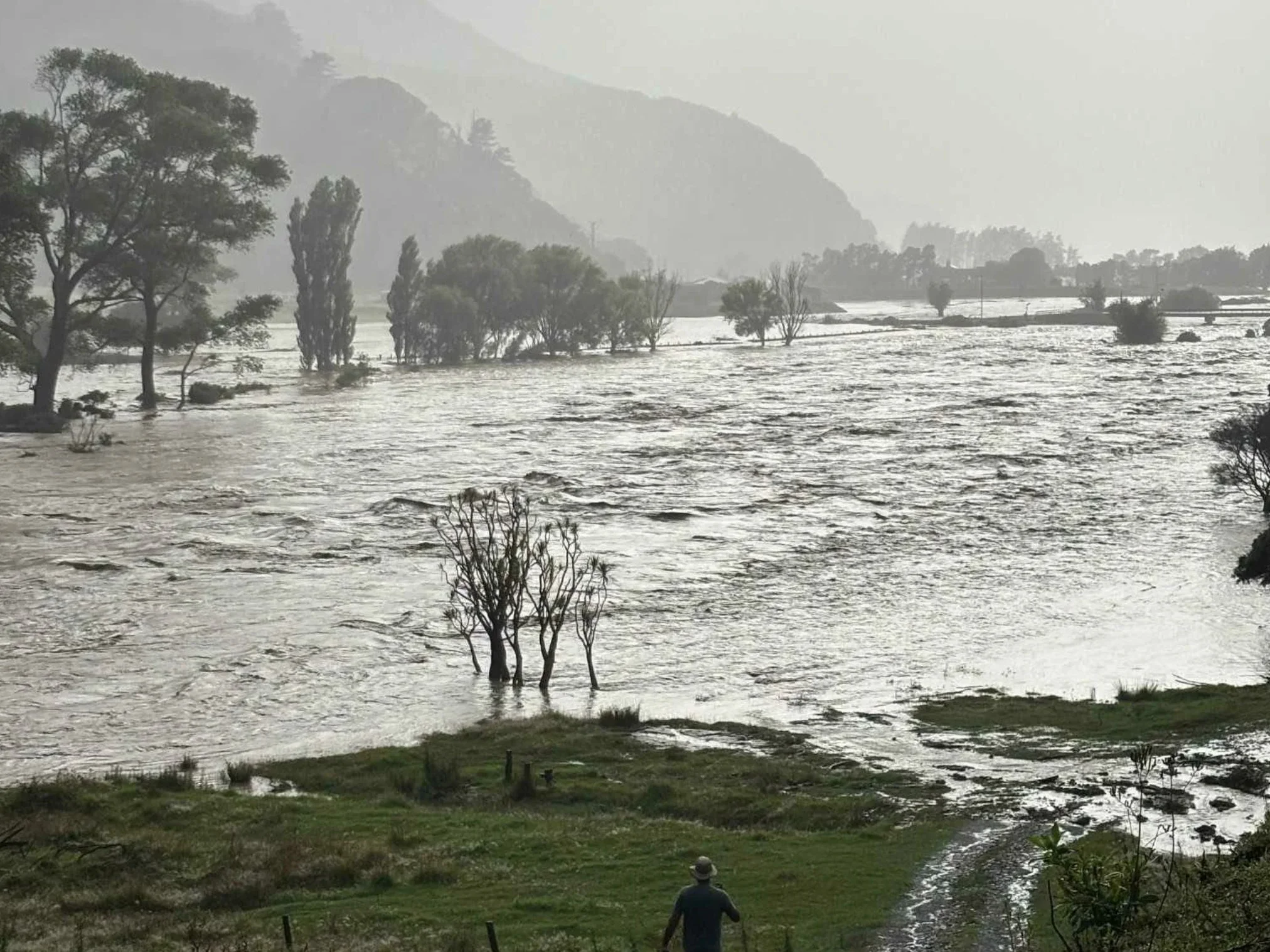
More than three and a half years after Cyclone Gabrielle, Tairāwhiti deserves confidence that the next major storm will not undo its recovery. Millions have been spent on fixing roads, bridges and clearing debris and sediment. That work matters, but repairing damage and rebuilding is different from addressing its causes.
Hundreds of thousands of tonnes of woody debris remain across our water systems. Debris that will ultimately land on our beaches for years to come.
Arguments about blame must not overshadow delivery. Our land, waterways, communities and livelihoods remain at risk. Tairāwhiti deserves much better.
Infometrics’ 2026 regional profile puts agriculture, forestry and fishing, including horticulture, at about 18 per cent of Gisborne District’s GDP. Behind that figure are local jobs and household incomes already stretched by living costs. Recovery must protect livelihoods as well as land and waterways.
About 520,000 hectares in this region is in pastoral farming or forestry. Of this, about 180,000 hectares is in forestry, much of it on steep, erosion-prone country. Debris and sediment damage is locked in and will take time to remove. Ironically, forestry was once seen as a panacea for both erosion and economic prosperity.
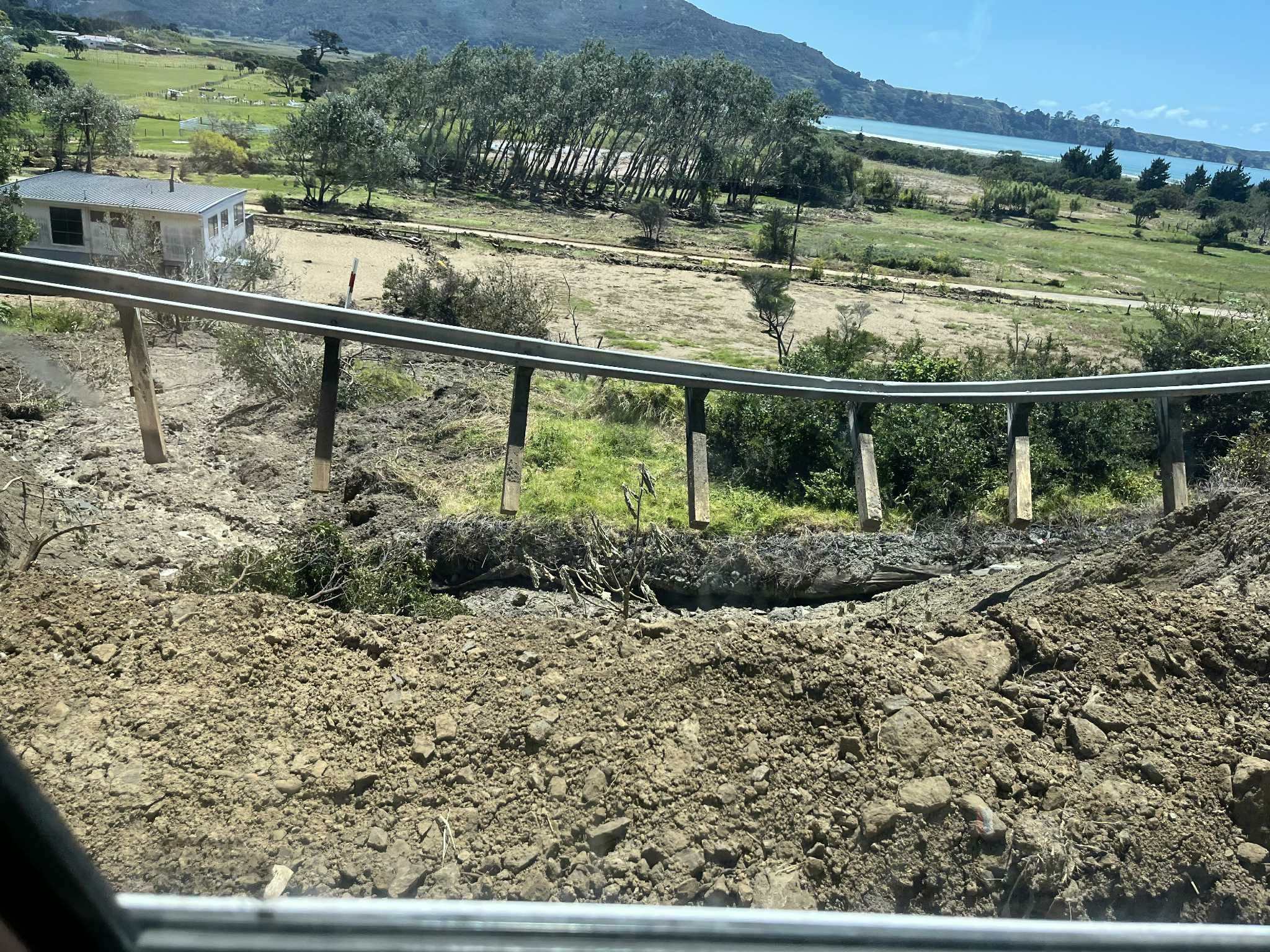
The Ministerial Inquiry into Land Use identified poor forestry practices, regulatory weaknesses and under-resourced council monitoring and compliance. Gisborne District Council has prosecuted forestry companies following the 2018 storms and pursued further enforcement orders. Community advocacy, including by Mana Taiao Tairāwhiti, has also maintained pressure for change.
There is a growing sense of frustration among landowners and communities about the pace of progress. While we recognise the complexity of the challenges facing Gisborne District Council, there is an expectation that the lessons of recent years translate into more timely decisions, greater certainty and practical outcomes on the ground. Landowners have carried much of the consequence of decisions made over decades, and there is a shared responsibility now to ensure the way forward is shaped through genuine collaboration, with a greater sense of urgency and accountability.
Ending the blame game is not about excusing wrongdoing. Accountability and practical solutions must work together. Enforcement addresses breaches, while investment addresses the risks that remain. Wherever possible, money and effort should advance solutions rather than prolong disputes.
Transition is not simply about removing trees. The inquiry recommended permanent forest cover on the most erosion-prone land, including some pasture. Restricting production forestry alone will not resolve how vulnerable forests, debris and transition costs are managed. Like households, forestry businesses need cash flow. A workable transition must recognise that.
Landowners, regulators and industry need to agree on a workable transition, guided by their shared responsibility to communities. That requires both willingness and practical tools. Outside support can accelerate delivery, but the region must lead the direction. Collaboration must turn that local leadership into agreed action.
We have trees planted on our landscape where they should not have been planted. Outside decision-making has contributed to this. Without a workable transition, we risk business closures and job losses while communities remain exposed to debris flows. Losing livelihoods without securing protection would be failure on both fronts.
It is time for us to be the decision-makers who shape our place for our mutual wellbeing. By focusing on solutions, we will identify how to make progress. Waiting for others means we are allowing them to create our future. For us, this is no longer acceptable.
