
The Next Generation of Farming Leadership
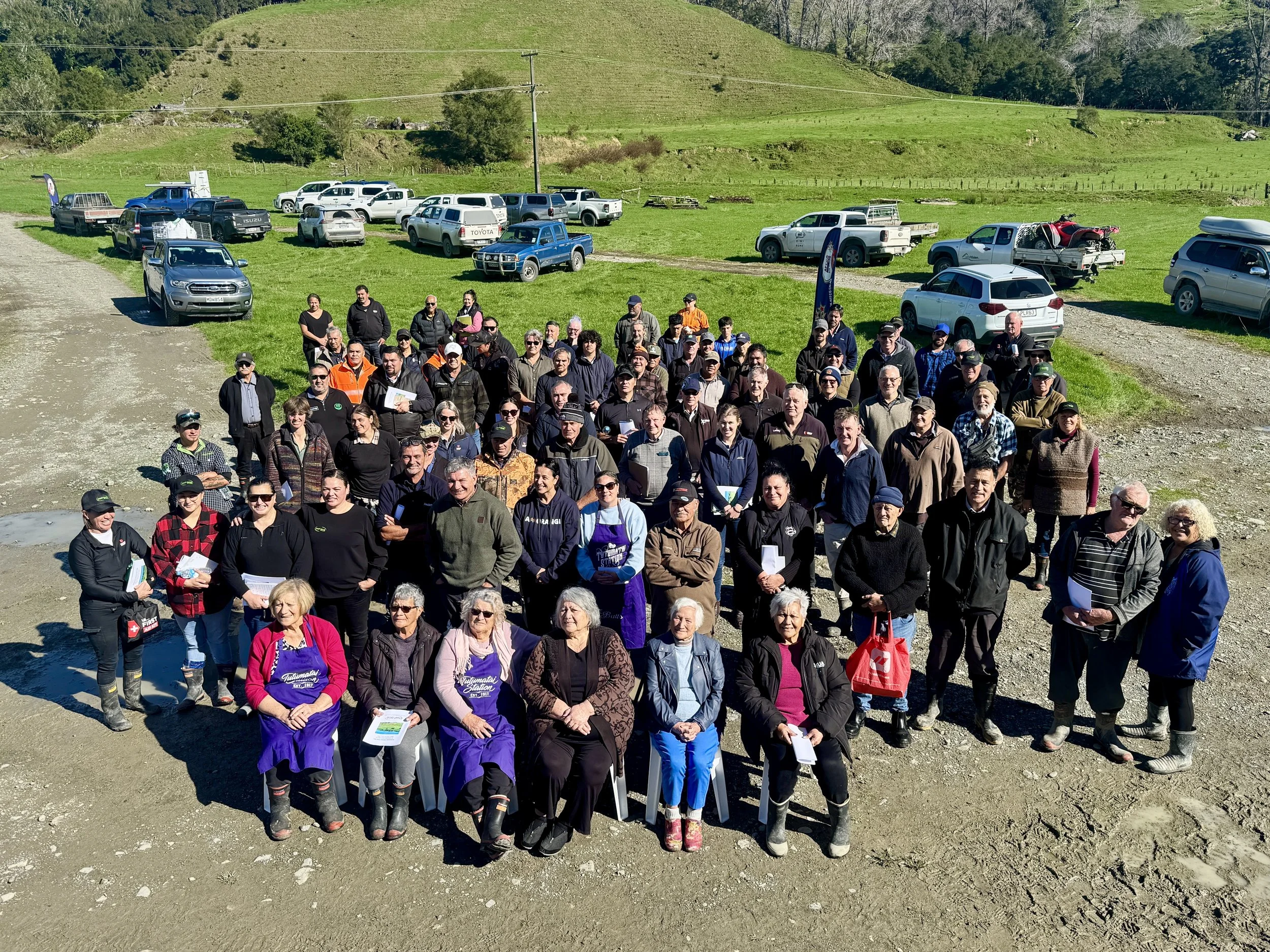
Across Te Tairāwhiti, the future of farming is becoming as much a leadership conversation as it is a land-use conversation.
Climate pressures, workforce shortages, environmental expectations and rapid technological change are reshaping the agricultural sector at a pace few could have predicted a generation ago. Yet alongside those challenges sits another equally important question for Māori agribusiness throughout the region: how do we grow the next generation of leaders capable not only of managing farms, but of leading complex systems connected to whenua, people, culture and community wellbeing?
At Tairāwhiti Whenua Charitable Trust, this question is increasingly central to the kaupapa.
Representing the largest collective network of Māori landowners in Aotearoa New Zealand, the Trust works across a broad range of whenua Māori entities navigating intergenerational transition, environmental pressures and changing economic realities. But alongside discussions about land-use transition and resilience is a growing recognition that the future strength of Māori agribusiness depends heavily on leadership capability - and on creating pathways for emerging leaders to see themselves within the future of the sector.
Importantly, that future leadership will likely look very different from the past.
Today’s emerging leaders are being asked to operate across multiple worlds simultaneously. Farming capability remains essential, but so too are skills in governance, environmental restoration, climate adaptation, innovation, systems thinking, stakeholder engagement and mātauranga Māori. Increasingly, leadership in the agricultural sector is no longer confined solely to what happens on-farm. It also involves the ability to navigate policy environments, technology shifts, community expectations and increasingly complex social and environmental systems.
That shift is one of the reasons initiatives such as Tairāwhiti Whenua’s Emerging Leaders kaupapa are becoming increasingly important.
Last year, emerging Māori farming leaders from Te Tairāwhiti travelled to Te Waipounamu alongside Tairāwhiti Whenua representatives as part of a leadership and learning exchange designed to expose participants to different models of agribusiness, innovation and leadership thinking across the country. The kaupapa was not simply about visiting farms. It was about creating opportunities for future leaders to step outside their immediate environments, build relationships, challenge assumptions and engage with people operating across different parts of the sector.
That exposure matters and is critical.
For many young people entering the agricultural sector, leadership opportunities can often appear limited to operational or production-based roles. Yet modern agribusiness increasingly requires leaders who understand broader systems - from governance and technology through to environmental planning, market trends and community development. Creating opportunities for emerging leaders to engage with those wider conversations helps build confidence, perspective and long-term capability.
Importantly, these environments also help strengthen networks.
One of the consistent themes emerging across Māori agribusiness nationally is the importance of peer connection and shared learning. Leadership development does not occur in isolation. It grows through exposure, mentorship and relationships with others navigating similar challenges and opportunities. Initiatives that place emerging leaders into new environments allow them to see what is possible beyond their immediate context while remaining grounded in their own whakapapa and communities.
There is also increasing recognition that the future of farming leadership must become more diverse.
Across Aotearoa, wāhine are continuing to play increasingly visible leadership roles throughout the agricultural sector - not only operationally, but across governance, innovation, environmental management and strategic planning. Recent national conversations have highlighted both the opportunities and barriers wāhine continue to navigate within farming environments traditionally shaped by male-dominated leadership structures.
Within Te Tairāwhiti, there is growing acknowledgment that the future strength of Māori agribusiness depends on creating environments where diverse leadership styles, experiences and perspectives are supported to flourish. This includes ensuring wāhine feel visible, supported and encouraged within farming and agribusiness leadership spaces.
That shift matters not simply from an equity perspective, but from a resilience perspective.
Research consistently shows that diverse leadership environments strengthen decision-making, innovation and adaptability. As farming systems become increasingly complex, the sector will require leaders capable of thinking collaboratively, systemically and long-term. Māori agribusiness is uniquely positioned in this space because many of the values increasingly being called for globally - intergenerational thinking, collective responsibility, environmental stewardship and relationship-based leadership - already sit deeply within Māori worldviews.
At the same time, the realities facing future leaders are significant.
Climate events across Te Tairāwhiti have reinforced the vulnerability of land systems and rural communities. Economic uncertainty, succession challenges and changing workforce dynamics are placing additional pressure on farming entities throughout the region. Preparing future leaders therefore cannot simply focus on technical farming capability alone. It must also focus on adaptability, resilience, communication and the ability to navigate uncertainty with confidence and integrity.
Encouragingly, there are already signs of that leadership beginning to emerge.
Across Te Tairāwhiti, young Māori leaders are increasingly engaging with innovation, biodiversity restoration, governance development, technology adoption and systems-thinking approaches while remaining deeply connected to whenua and community aspirations. The shift occurring is subtle but important — moving from simply preparing people to “work on farms” toward preparing leaders capable of shaping the future direction of Māori agribusiness itself.
And perhaps that is where the greatest opportunity lies.
Because while the challenges facing the agricultural sector are substantial, Māori agribusiness also carries unique strengths: deep relationships to place, intergenerational thinking, collective governance structures and longstanding understandings that the health of people and whenua are inseparable.
The challenge now is ensuring the next generation has the support, opportunities and environments needed to grow into that responsibility.
“Future leadership in Māori agribusiness doesn’t happen by chance – it must be built deliberately. If we want whenua Māori to be resilient long‑term, we need to be intentional about investing in people, giving them exposure beyond the farm gate, and trusting them to step into governance, innovation and environmental leadership. Strong farming capability matters, but today’s leaders must also understand systems, relationships and responsibility to whenua and community.” – Pania King, Tairawhiti Whenua Catchment Coordinator
Ultimately, the future of farming leadership in Te Tairāwhiti may not simply depend on who inherits the land next. It may depend on who we intentionally invest in, expose to opportunity, and trust to help shape what the future of Māori agribusiness can become.
End