
Opinion Piece: Investing in Tairawhiti is not optional. It is strategic. And it requires courage.
New Zealand does not have a Tairāwhiti problem.
It has a national investment problem.
For too long, regions like Tairāwhiti have been framed through the lens of risk, exposure, and constraint. But that framing misses a more important truth. This region is not a liability to be managed. It is a strategic asset that underpins key parts of our export economy, our land use future, and our national resilience.
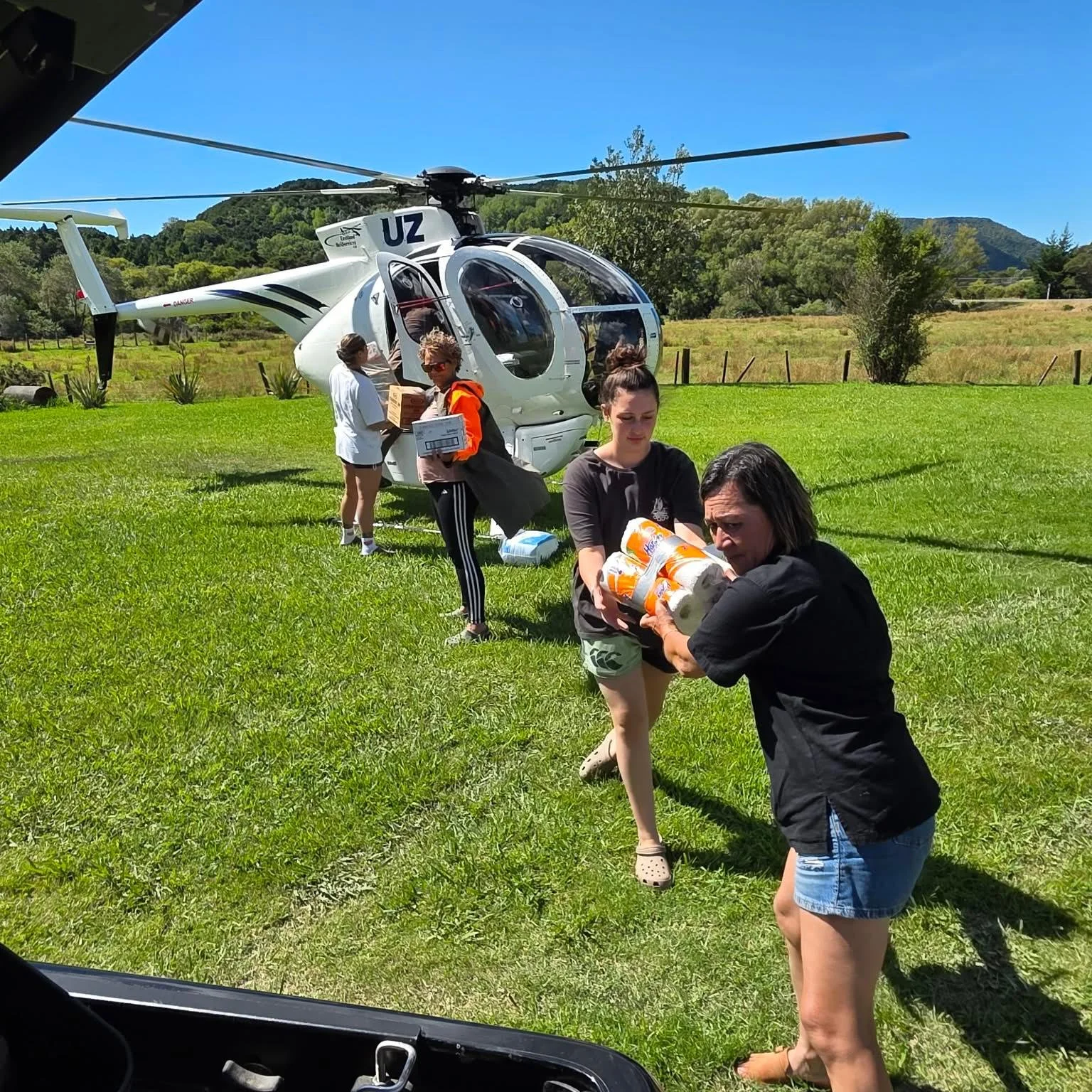
There is a growing tendency in national conversations to define regions like Tairāwhiti by their constraints rather than their contribution. The language is increasingly technical: “highly erodible land”, “high-risk corridors”, “vulnerable infrastructure”. While those descriptions are not inaccurate, they are incomplete. When presented without context, they risk reinforcing a narrative that regions like ours are liabilities to be managed, rather than strategic assets to be invested in.
A more considered view requires us to hold two realities at once.
Tairāwhiti is one of the most climate-exposed regions in Aotearoa, with some of the largest areas of highly erodible land in the country and infrastructure networks under increasing pressure. At the same time, it is a region that underpins key components of New Zealand’s export economy, sustains large areas of productive land, and is actively leading innovation in land use transition and community-led resilience.
Understanding Tairāwhiti through only one of those lenses leads to poor policy. Understanding it through both creates the conditions for better decisions. The challenge now is not diagnosis, but response. And that response will require leadership that is deliberate, coordinated, and courageous.
Tairāwhiti’s population sits at just over 50,000 people, a small proportion of the national total. However, its economic profile is highly concentrated in sectors that are disproportionately important to New Zealand’s export performance. Primary industries, including forestry, sheep and beef, and horticulture, account for roughly 20 percent of the region’s GDP and employ a significant portion of the workforce.
Forestry alone positions the East Coast as one of the country’s most important wood supply regions, with Gisborne Port consistently ranking among New Zealand’s largest export ports by log volume. These outputs are not regionally contained. They feed directly into international markets and contribute materially to national trade balances.
This creates a clear alignment between regional resilience and national economic stability. Disruptions in Tairāwhiti are not isolated events. They reverberate through supply chains, export volumes, and sector confidence across the country.
And yet, the infrastructure that supports this contribution does not reflect its strategic importance.
State Highway 35 remains a critical but fragile lifeline for coastal communities such as Te Araroa and Wharekahika. It is the only continuous route connecting much of the East Coast, enabling freight movement, access to healthcare, education, and emergency services. When sections of SH35 are compromised, the consequences are immediate and far-reaching.
Without secure and reliable access to markets, investment in higher-value land uses is constrained. This has direct flow-on impacts to regional GDP and national export potential.
At the same time, significant investment has been directed into urban resilience in centres such as Hastings and Napier, with funding packages in the hundreds of millions. That investment is justified. But it underscores a broader issue: the absence of equivalent, proportionate investment into SH35, despite its role as a sole lifeline for an entire coastline and a region that contributes materially to the national economy.
This is not a question of regional competition. It is a question of proportionality and strategic alignment.
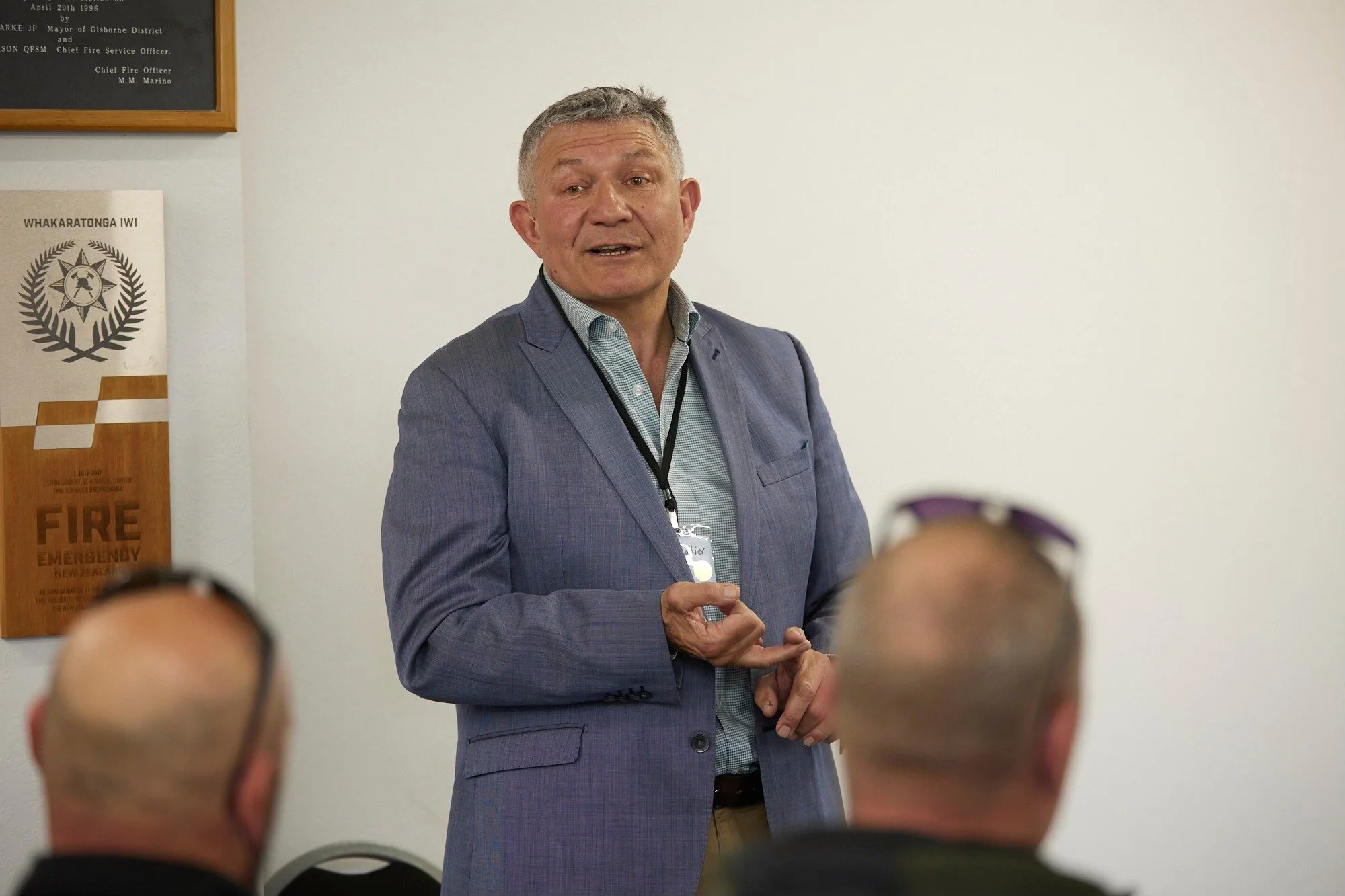
The impacts of Cyclone Gabrielle provided a stark illustration of compounding risk in Tairāwhiti. The region experienced some of the most severe impacts in the country, with widespread damage to productive land, transport infrastructure, and community assets. Thousands of hectares of farmland were affected, and key routes were cut, isolating communities and disrupting economic activity.
This is not incidental. Tairāwhiti contains the largest area of highly erodible land in New Zealand. High-intensity rainfall events generate amplified consequences in the form of sediment loss, slips, and infrastructure failure. What might be a contained event elsewhere becomes a system-wide disruption here.
But the disproportionate impact is not only environmental. It is structural.
Tairāwhiti consistently records unemployment rates above the national average, often sitting between 6 and 7 percent. Median household incomes are approximately $20,000 to $30,000 below the national median. Large parts of the region fall within the highest deciles of deprivation. These pressures are reflected in health outcomes, where rates of preventable illness and reduced life expectancy remain significantly higher than national benchmarks, particularly for Māori communities.
These indicators do not reflect a lack of capability. They reflect a concentration of structural pressures that reduce the capacity of communities to absorb and recover from shocks. In this context, risk in Tairāwhiti is cumulative, with environmental, economic, and social factors reinforcing one another.
At the same time, the opportunity is equally disproportionate.
While approximately 100,000 hectares of land is currently classified as highly erodible, there are also an estimated 33,000 hectares of highly productive land with the potential to be further unlocked through strategic investment. Evidence indicates that enabling irrigation across this land could contribute up to $400 million annually to New Zealand’s GDP.
However, that opportunity is constrained by foundational infrastructure, particularly the reliability of transport networks. Without confidence in access to markets, the transition to higher-value land use is inherently limited.
This is the core of the issue. The constraint is not land. It is system alignment.
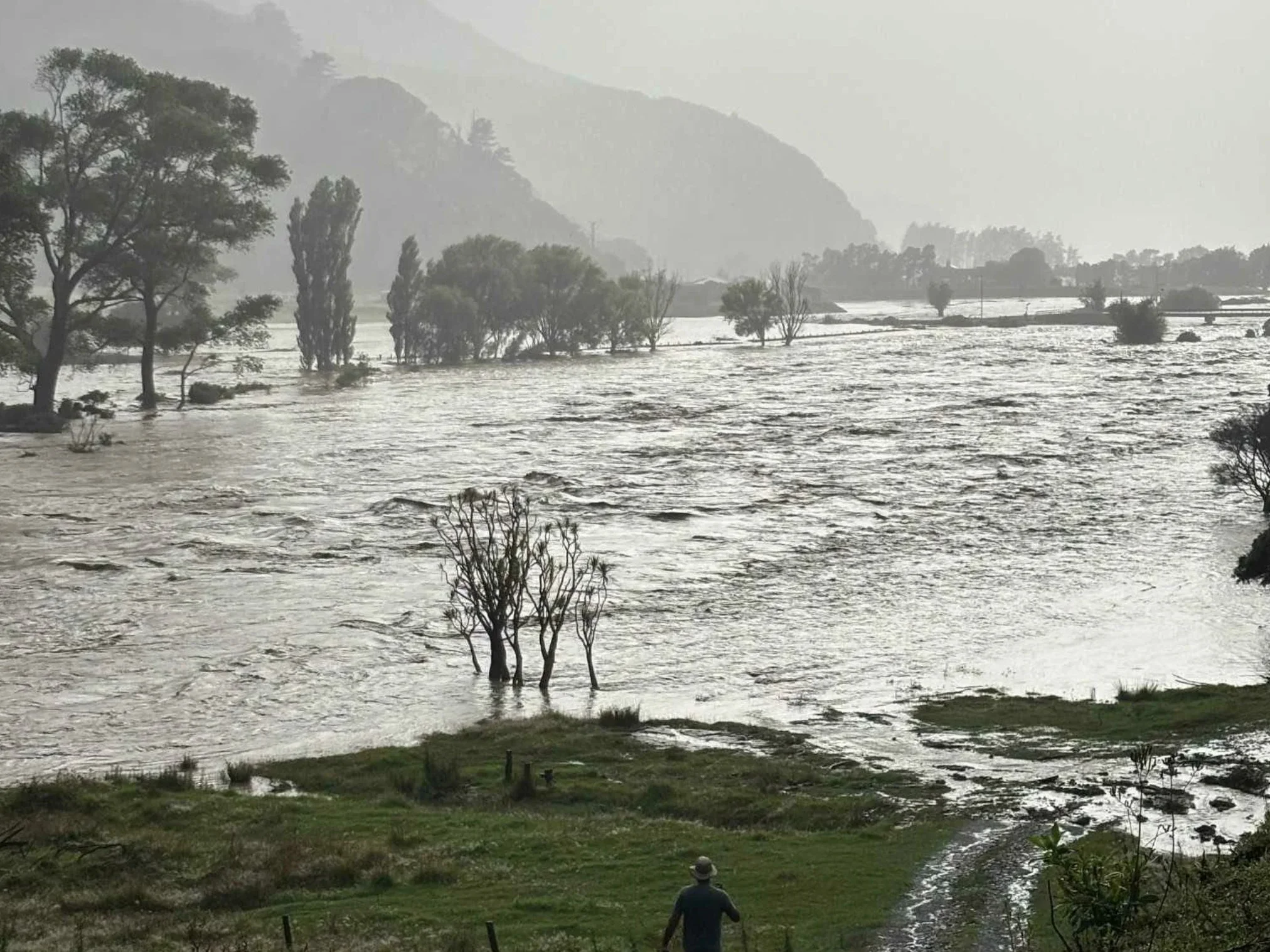
The economic cost of recent weather events has already been substantial, with tens of millions in direct losses to the primary sector and wider impacts across supply chains and regional productivity. Forward-looking estimates indicate that building long-term resilience across Tairāwhiti, including land use transition, erosion control, and infrastructure strengthening, will require investment exceeding $1 billion.
This figure should not be viewed in isolation. It must be weighed against the value of what is at stake: a region that contributes materially to national exports, supports a significant workforce, and holds untapped potential for higher-value production.
Continued reliance on reactive funding will result in repeated cost. A coordinated, long-term investment approach offers the opportunity to stabilise systems, protect economic output, and reduce future liabilities.
Local leadership is already evident.
Tairāwhiti Whenua Charitable Trust has taken a leading role in enabling land use transition, supporting erosion control initiatives, and facilitating partnerships across iwi, landowners, and industry. This work reflects a systems-based approach that integrates mātauranga Māori with technical expertise and is already delivering outcomes on the ground.
Gisborne District Council continues to operate within the constraints of a small rating base, tasked with managing a geographically large and complex region facing increasing climate pressures. The imbalance between responsibility and resource is clear.
At the same time, whenua Māori presents both complexity and opportunity. It is not simply an asset to be optimised, but an intergenerational responsibility that requires long-term, partnership-based approaches. This is not a barrier to progress. It is a foundation for it.
Much of the current policy focus has been on identifying and categorising high-risk land. While necessary, classification alone does not deliver outcomes. Without clear pathways and resourcing for transition, it risks entrenching uncertainty and limiting the ability of landowners to respond proactively.
A more effective approach is to prioritise transition.
This includes enabling land uses aligned with land capability, investing in catchment-scale erosion control, strengthening collective governance across whenua Māori, and aligning funding mechanisms with long-term, intergenerational objectives.
These approaches are already being implemented within Tairāwhiti. Scaling them requires national investment that matches both the complexity of the challenge and the value of the opportunity.
Ultimately, this is a test of leadership.
Not in rhetoric, but in the willingness to make decisions that are proportionate to both the scale of the challenge and the significance of the contribution this region makes. It requires moving beyond short-term cycles and recognising that resilience in Tairāwhiti is not a local issue, but a national one.
The question is no longer whether we understand the challenges.
The question is whether we are prepared to act on that understanding with the level of intent, alignment, and courage required to get ahead of it.
New Zealand does not have a Tairāwhiti problem.
It has a choice about whether it invests like it understands its own future.