
On the ground with whanau: Tairawhiti Whenua’s response to the recent storm
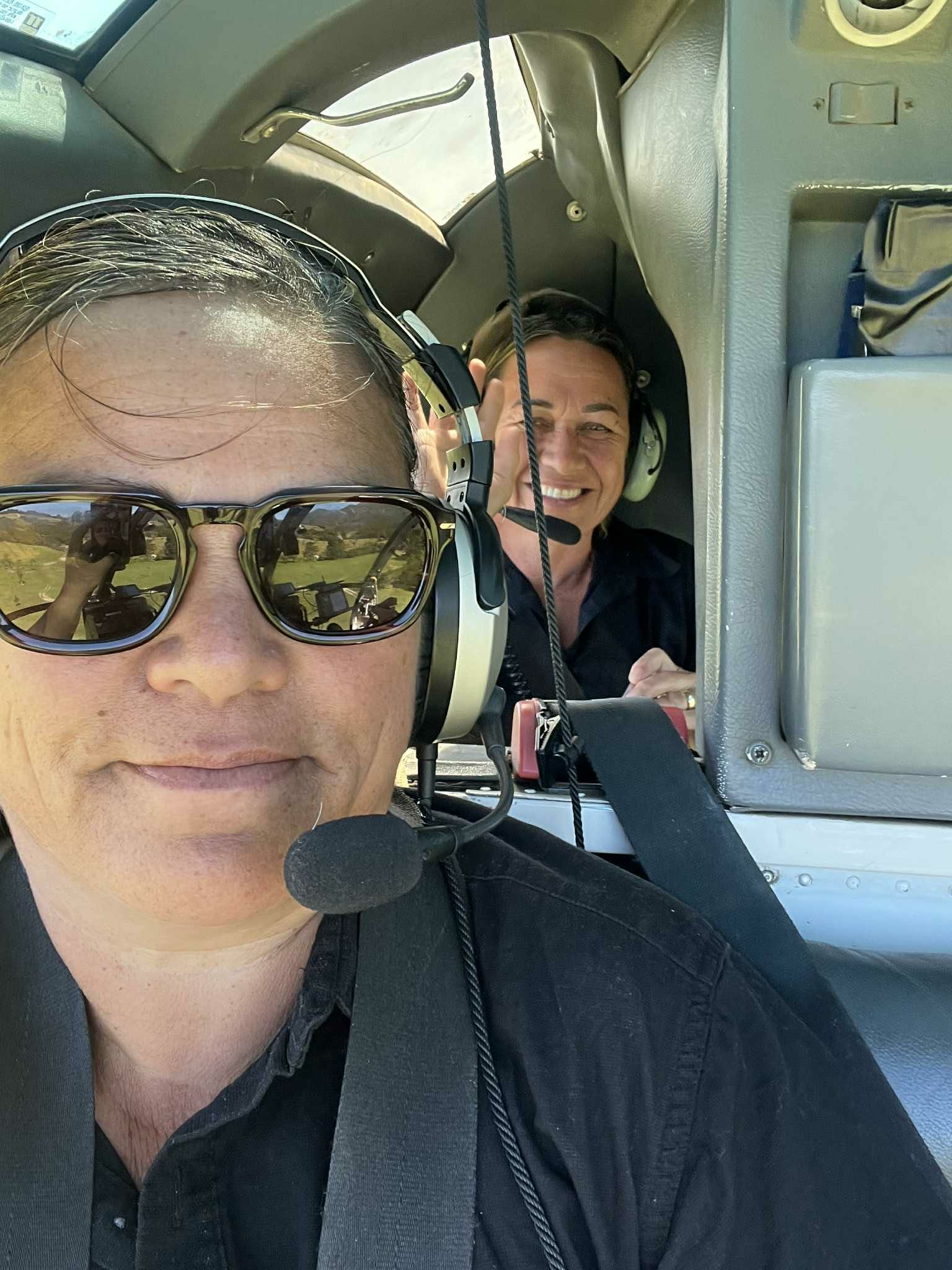
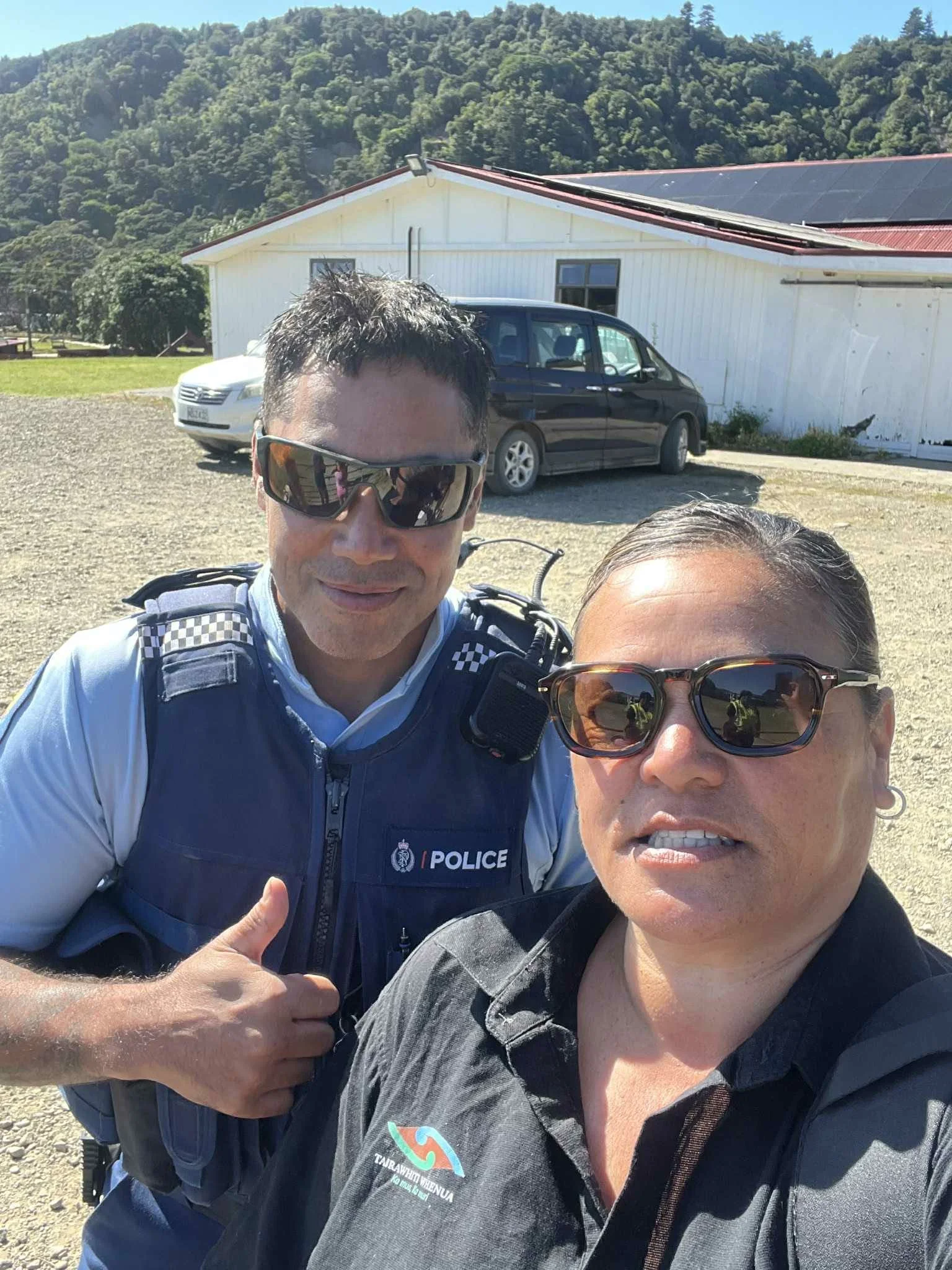
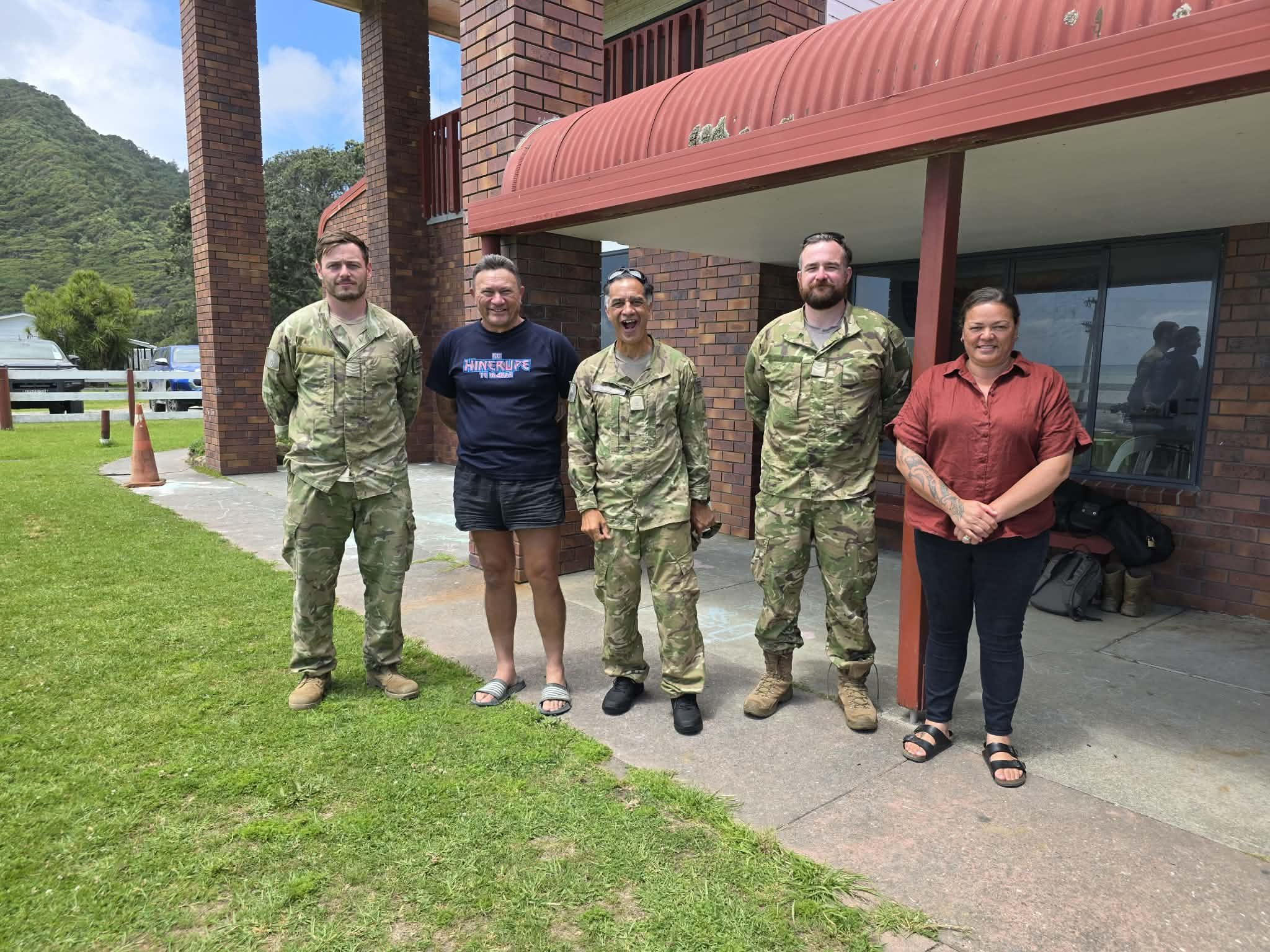
In the days following the recent severe weather event, Tairawhiti Whenua Catchment Coordinators Bella Hawkins and Pania King have been on the ground across the coast, working side by side with landowners, trustees, whānau, CDEM, and local Civil Defence teams to understand what the storm has meant for farms and whenua. As catchment coordinators for Tairāwhiti Whenua Charitable Trust, their approach from the very beginning has been simple and consistent: whānau first, relationships first, and kōrero grounded in kanohi ki te kanohi connection.
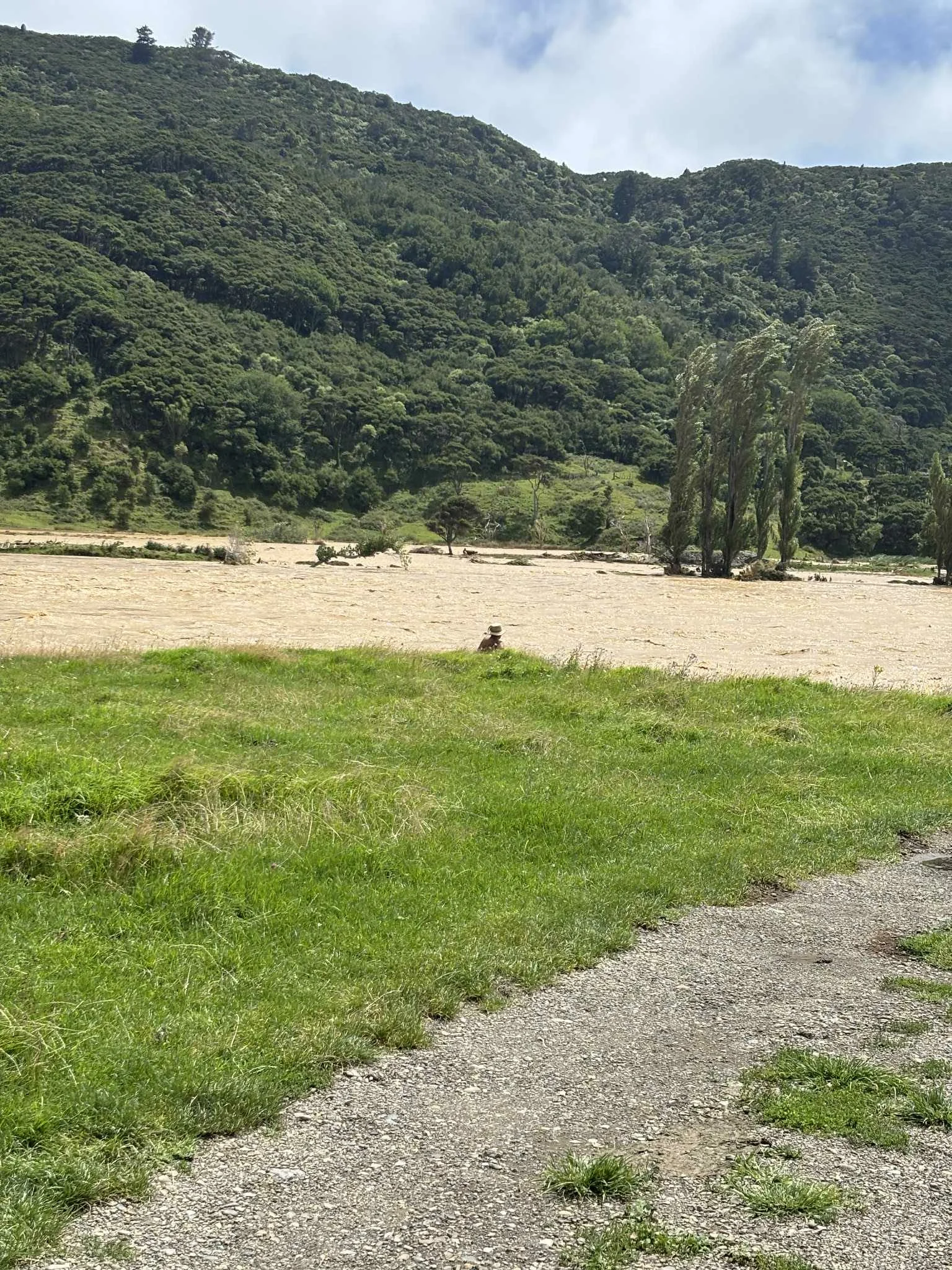
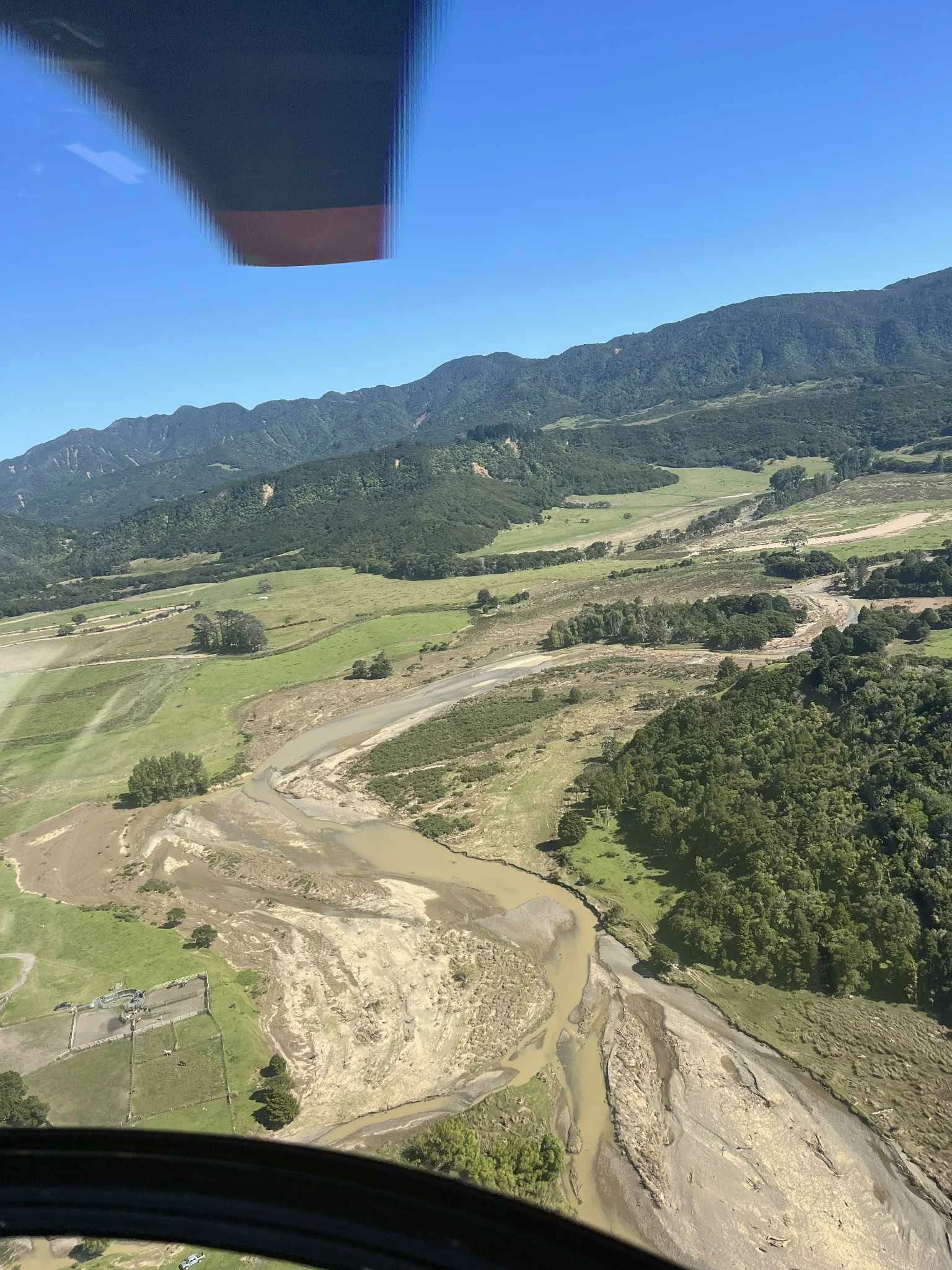
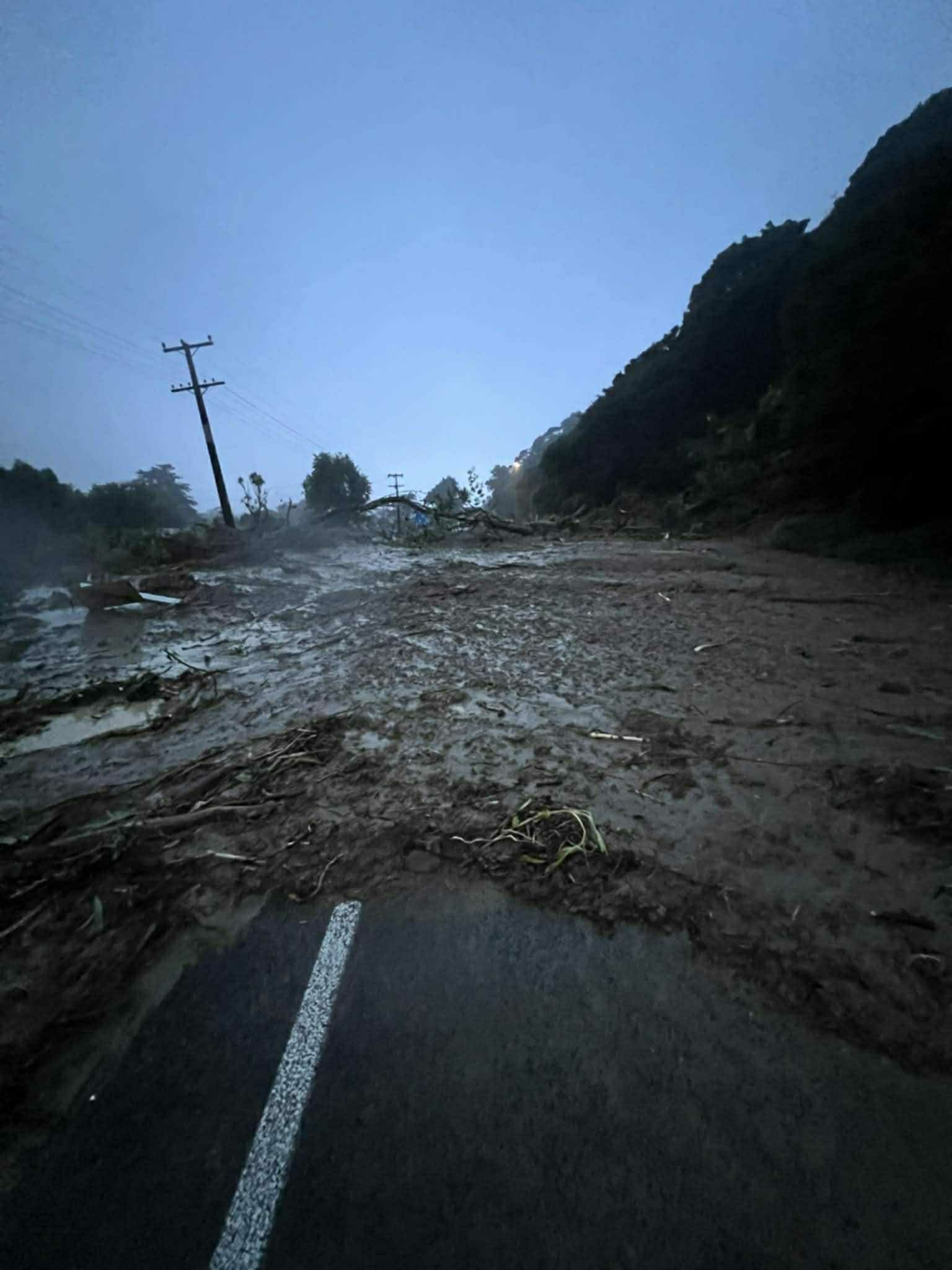
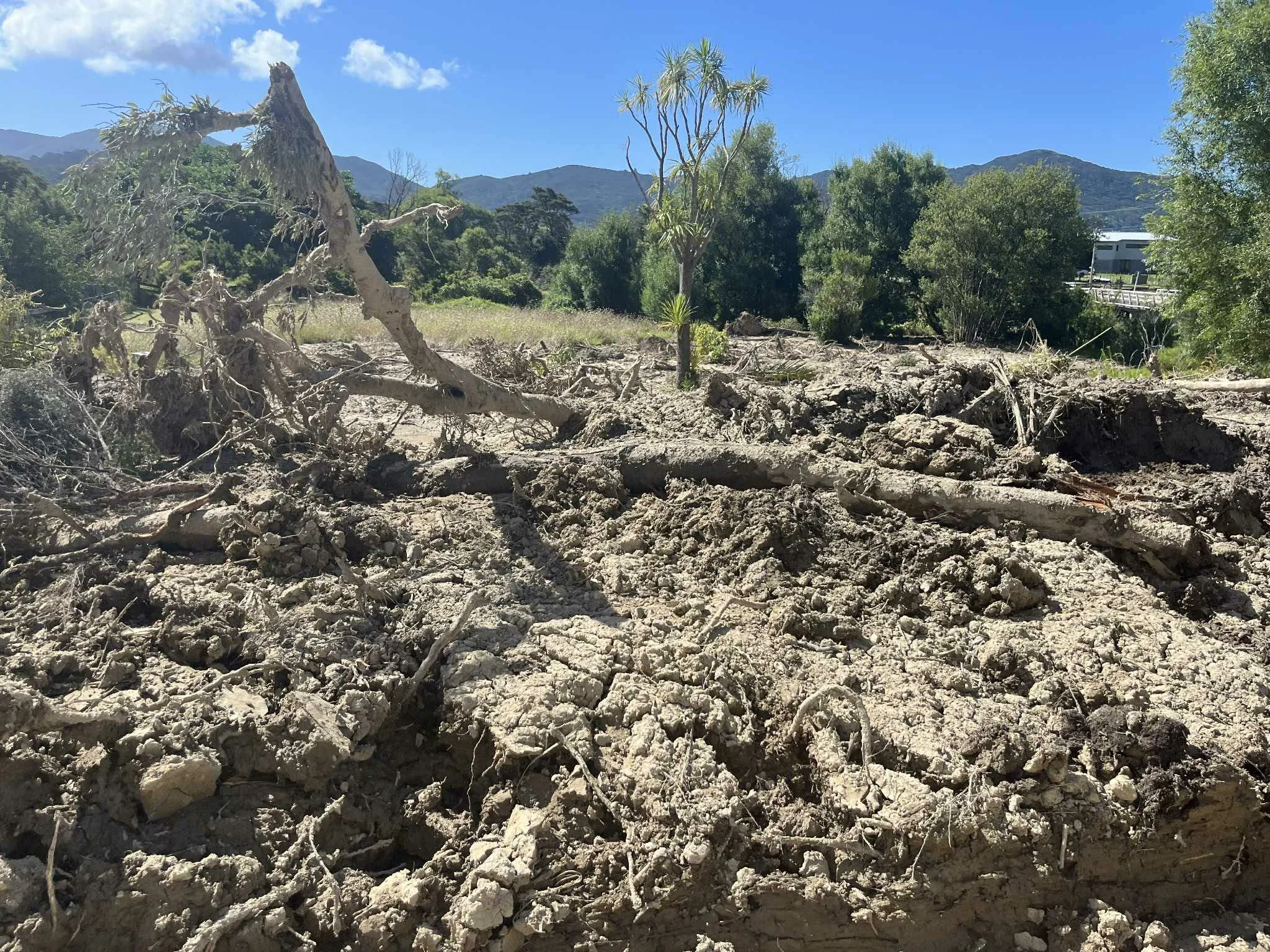
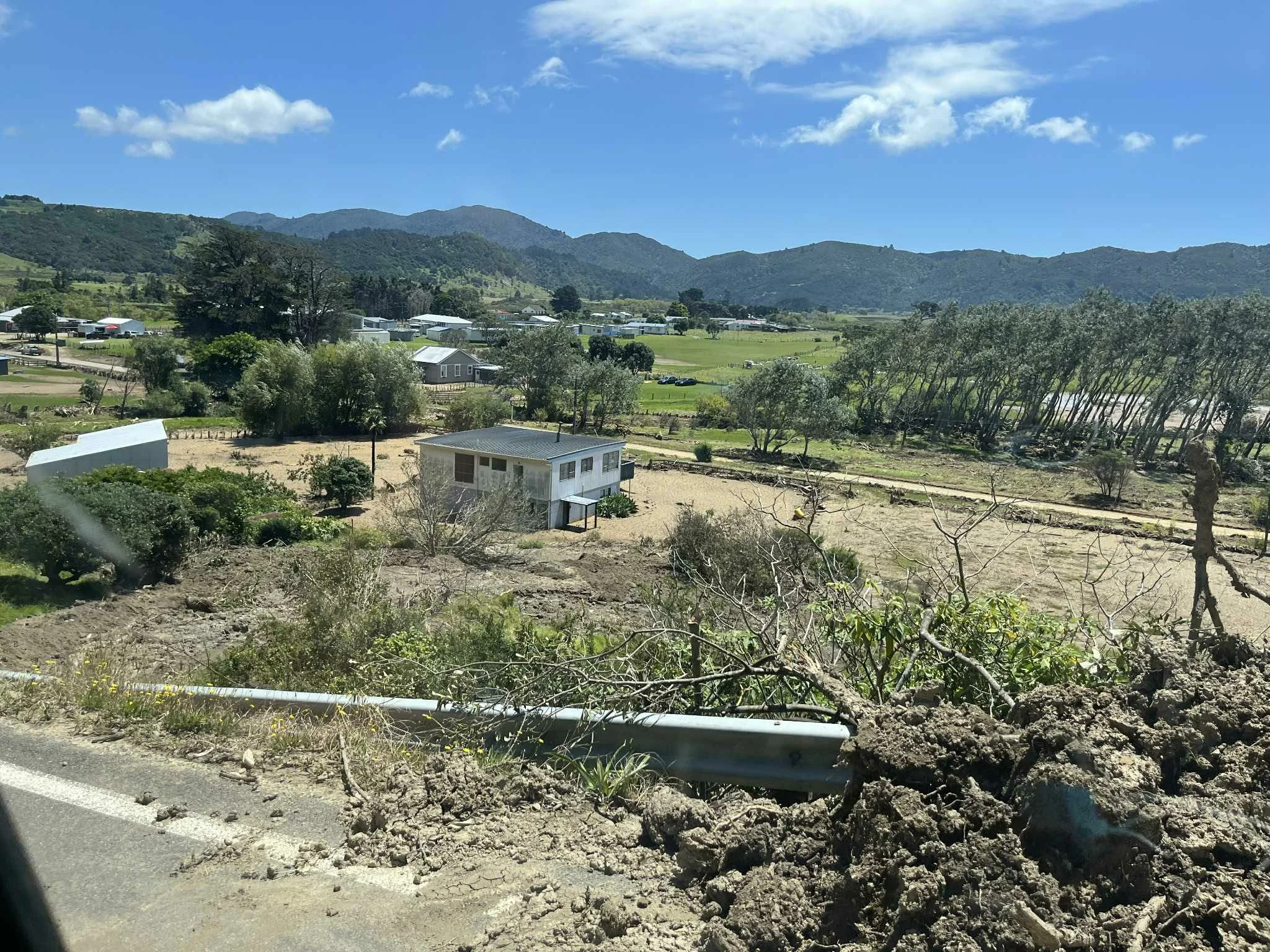
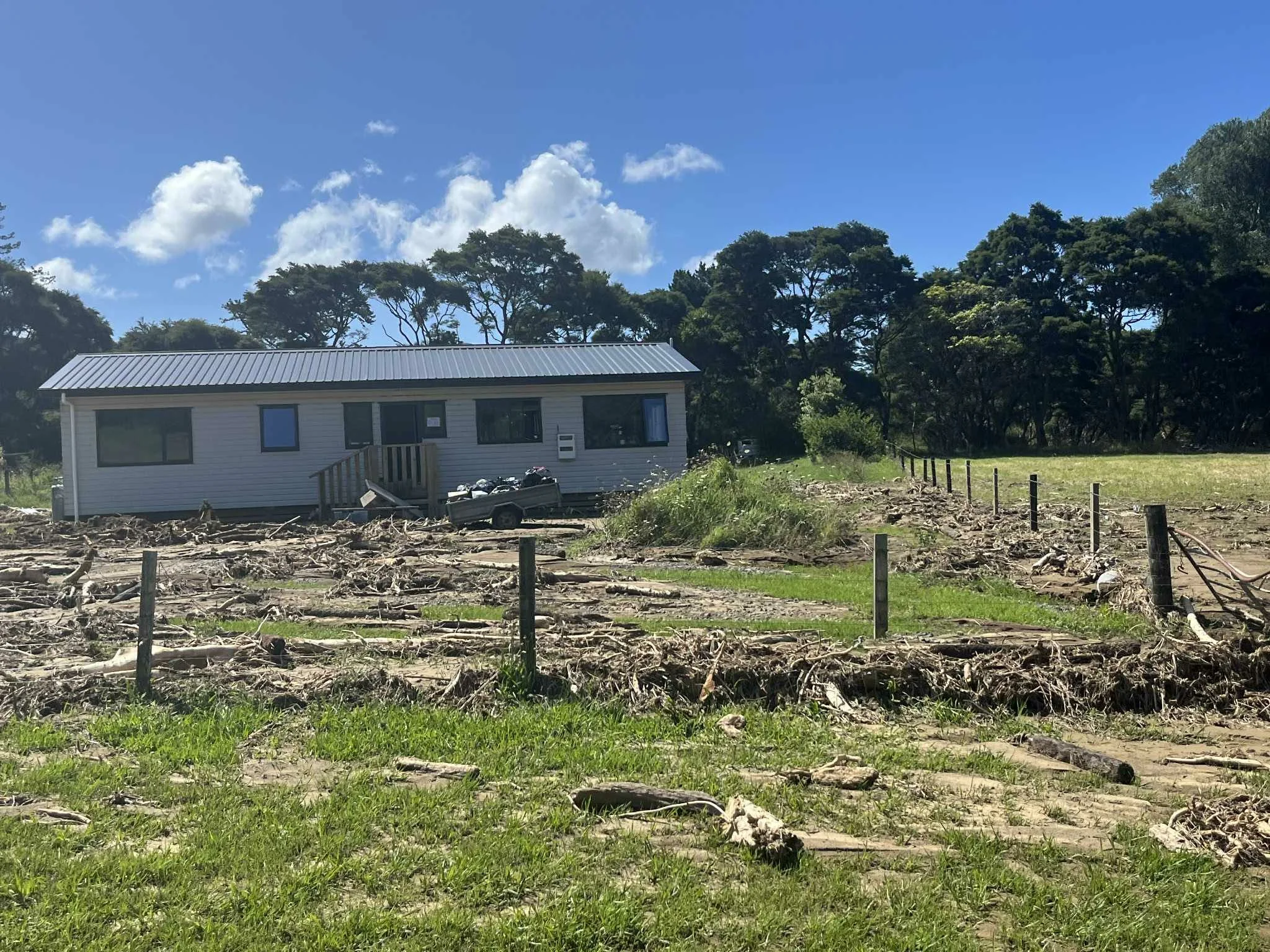
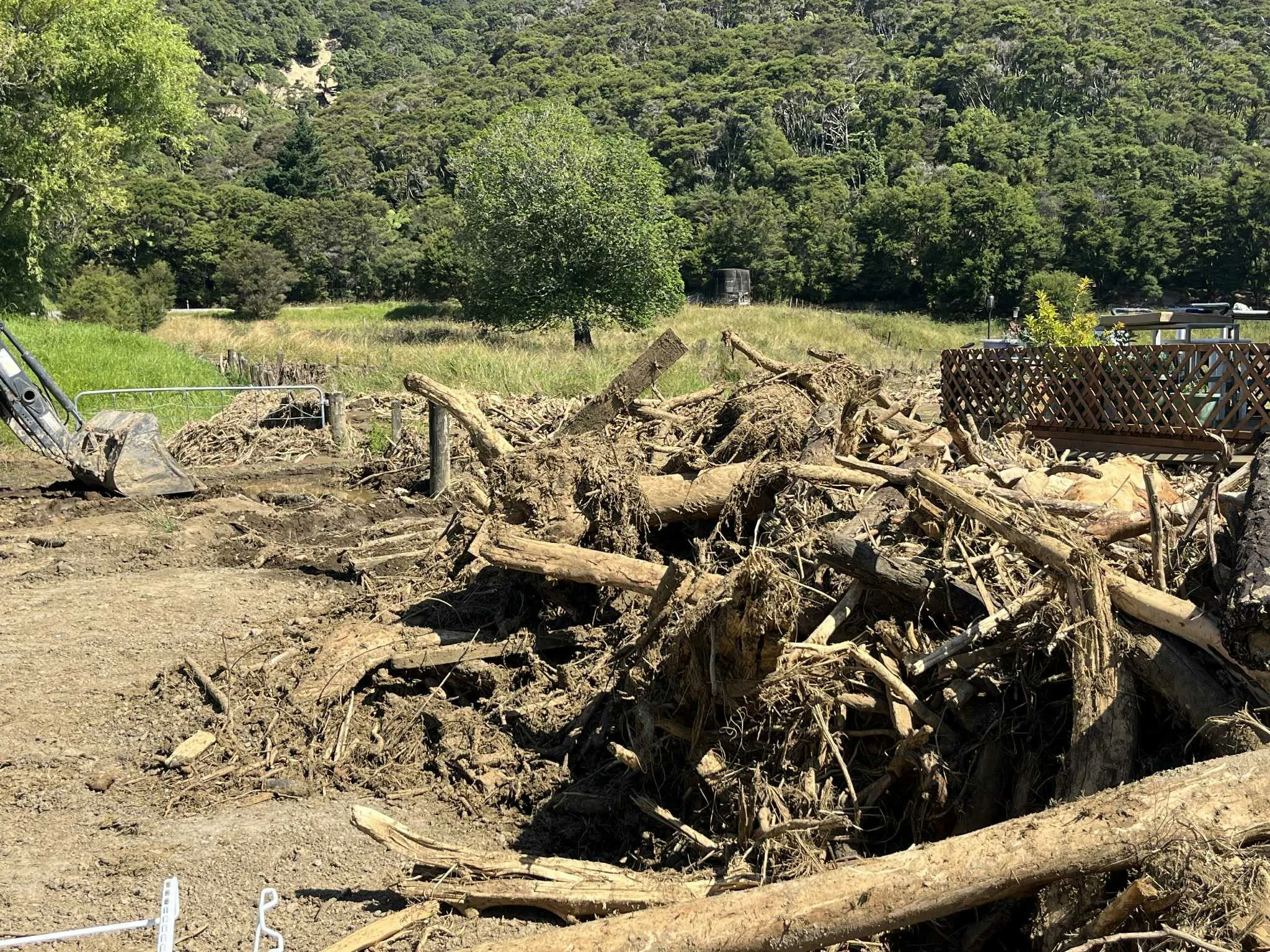
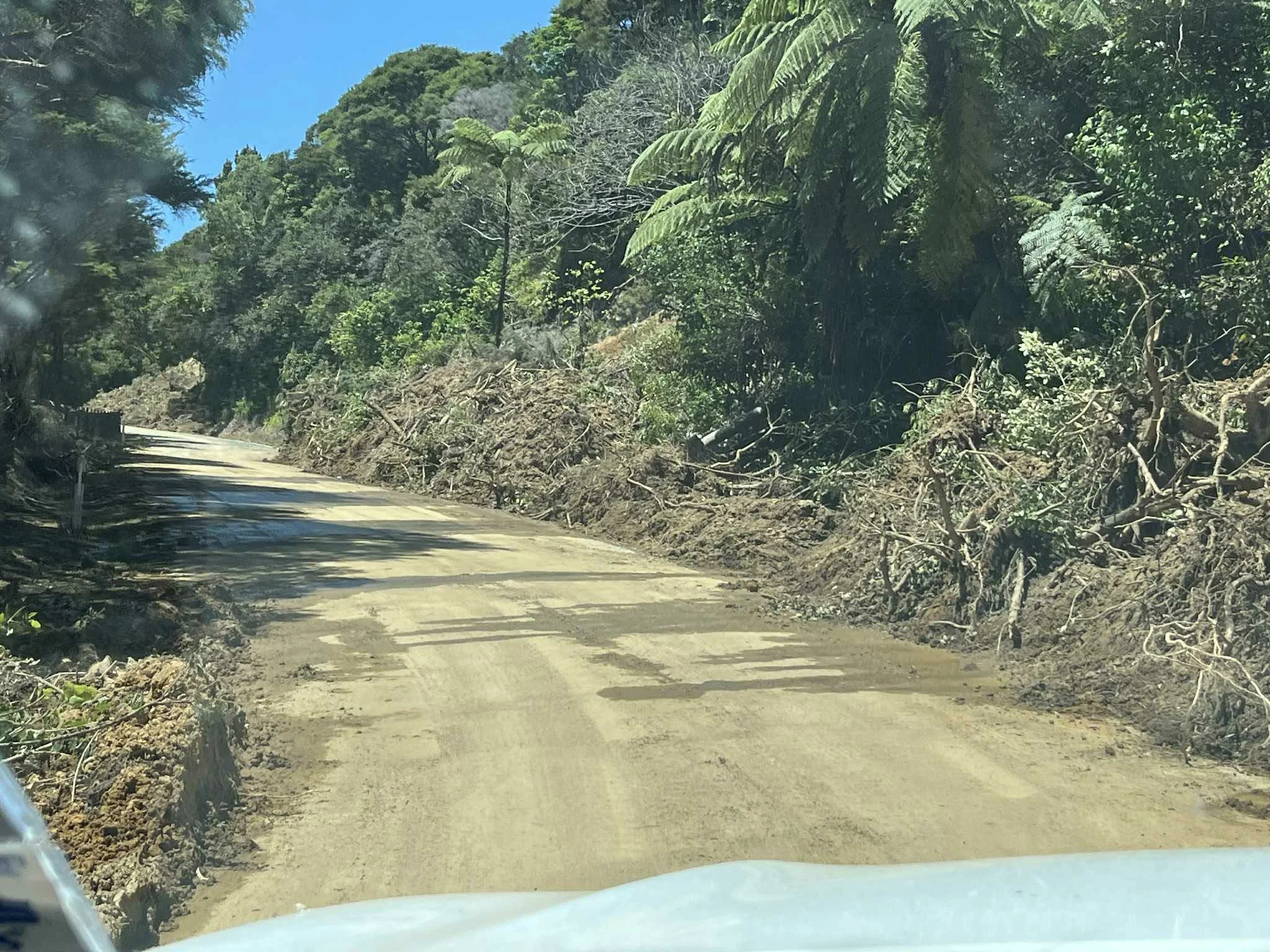
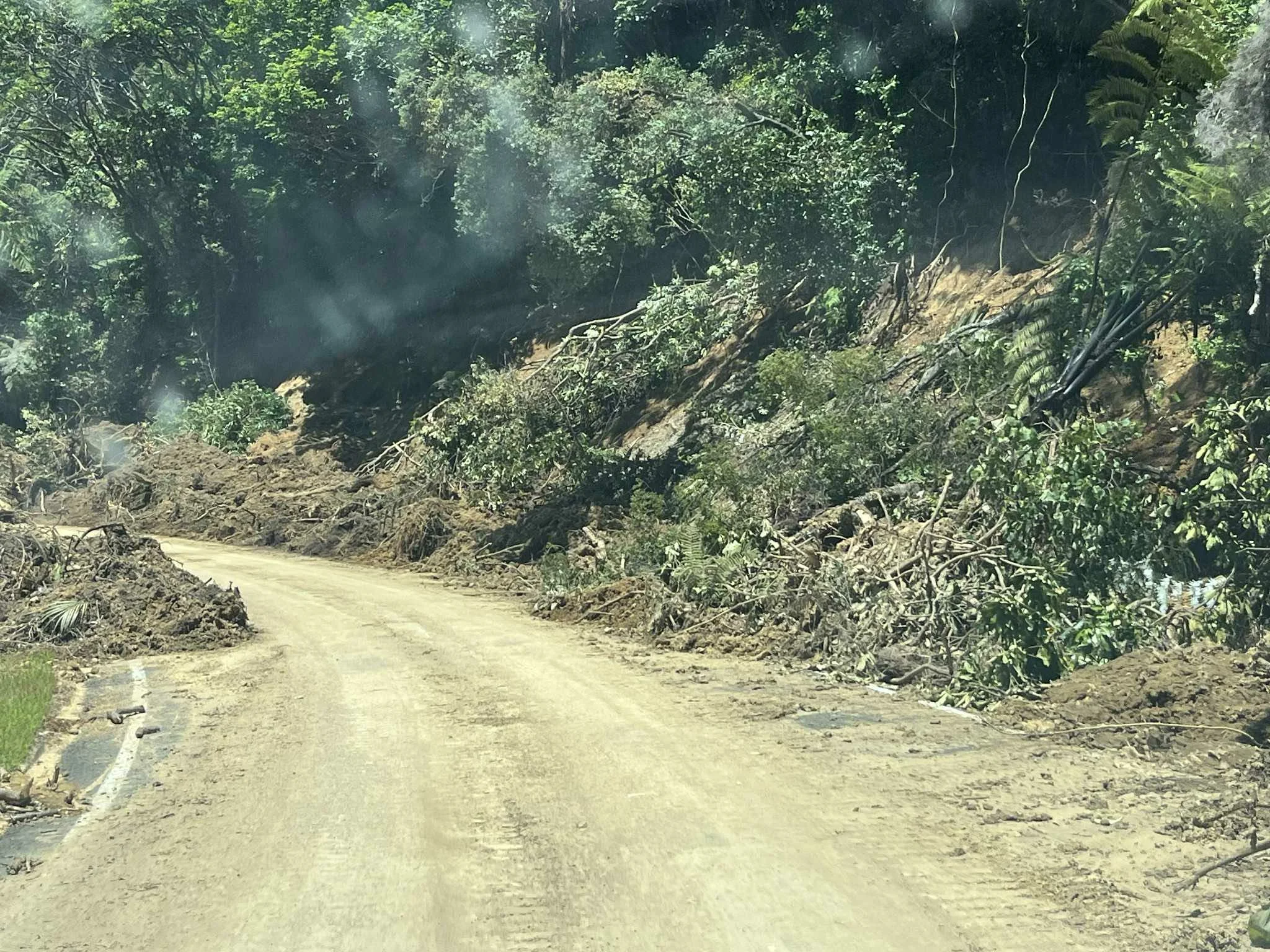
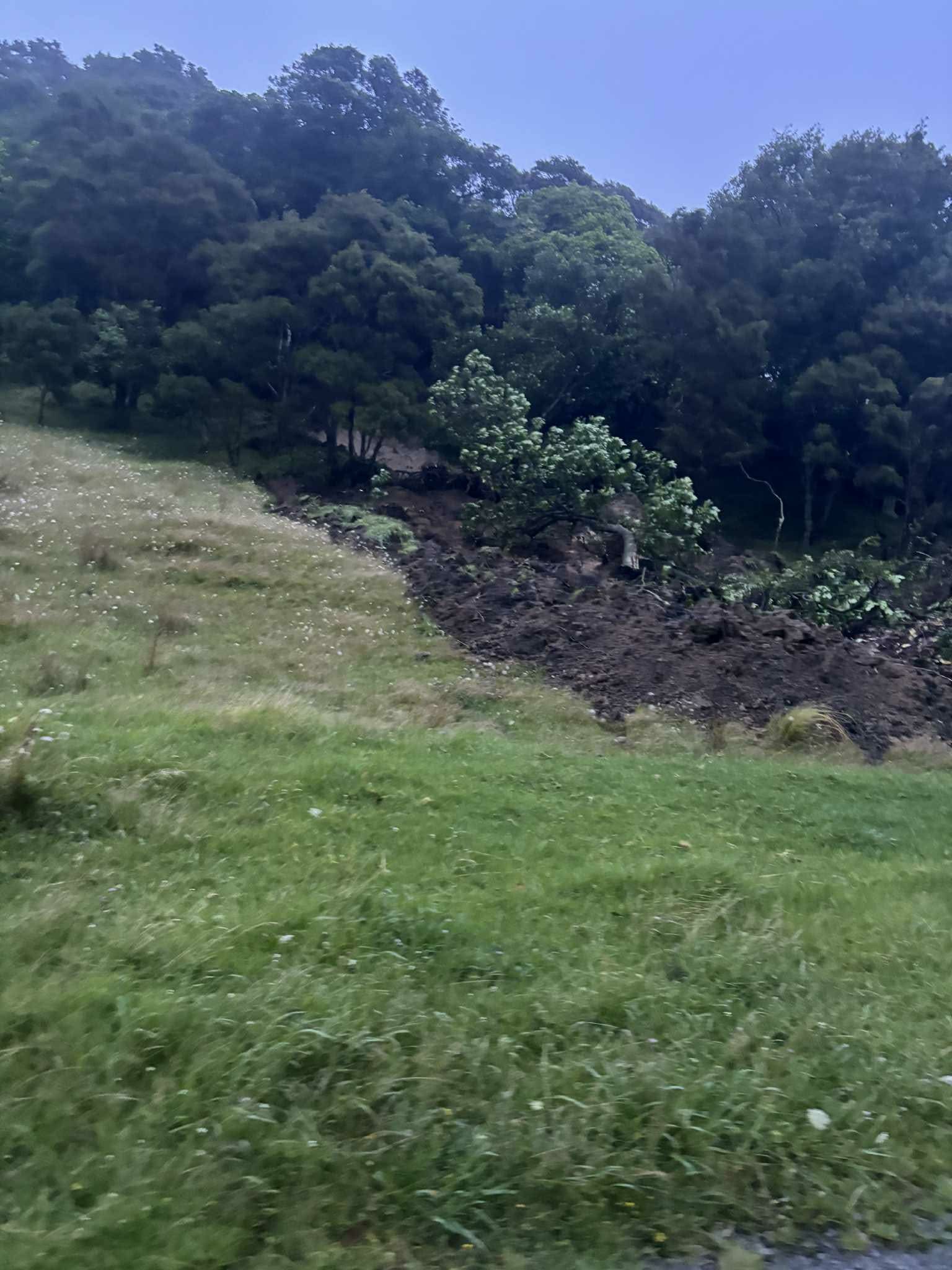
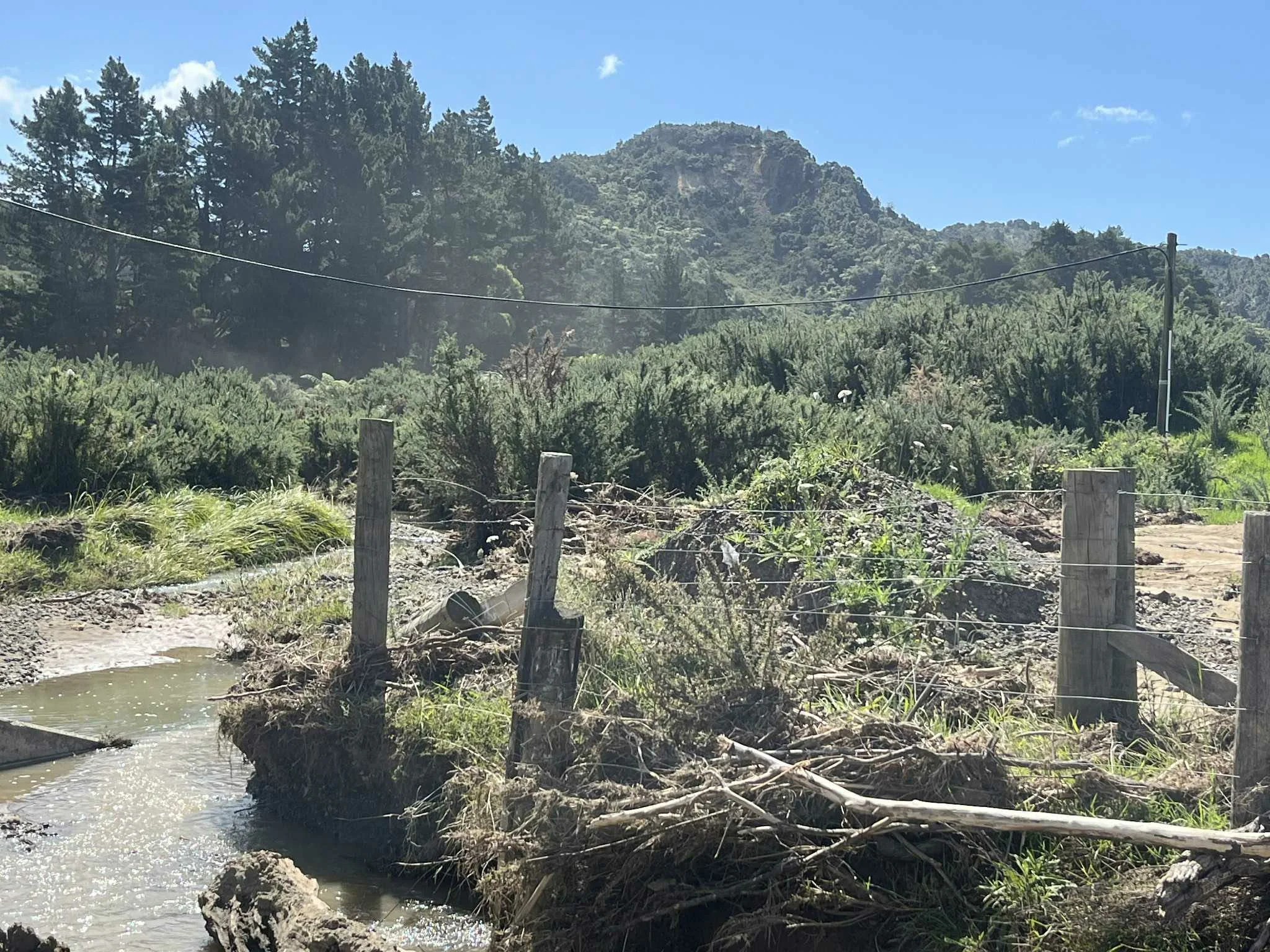
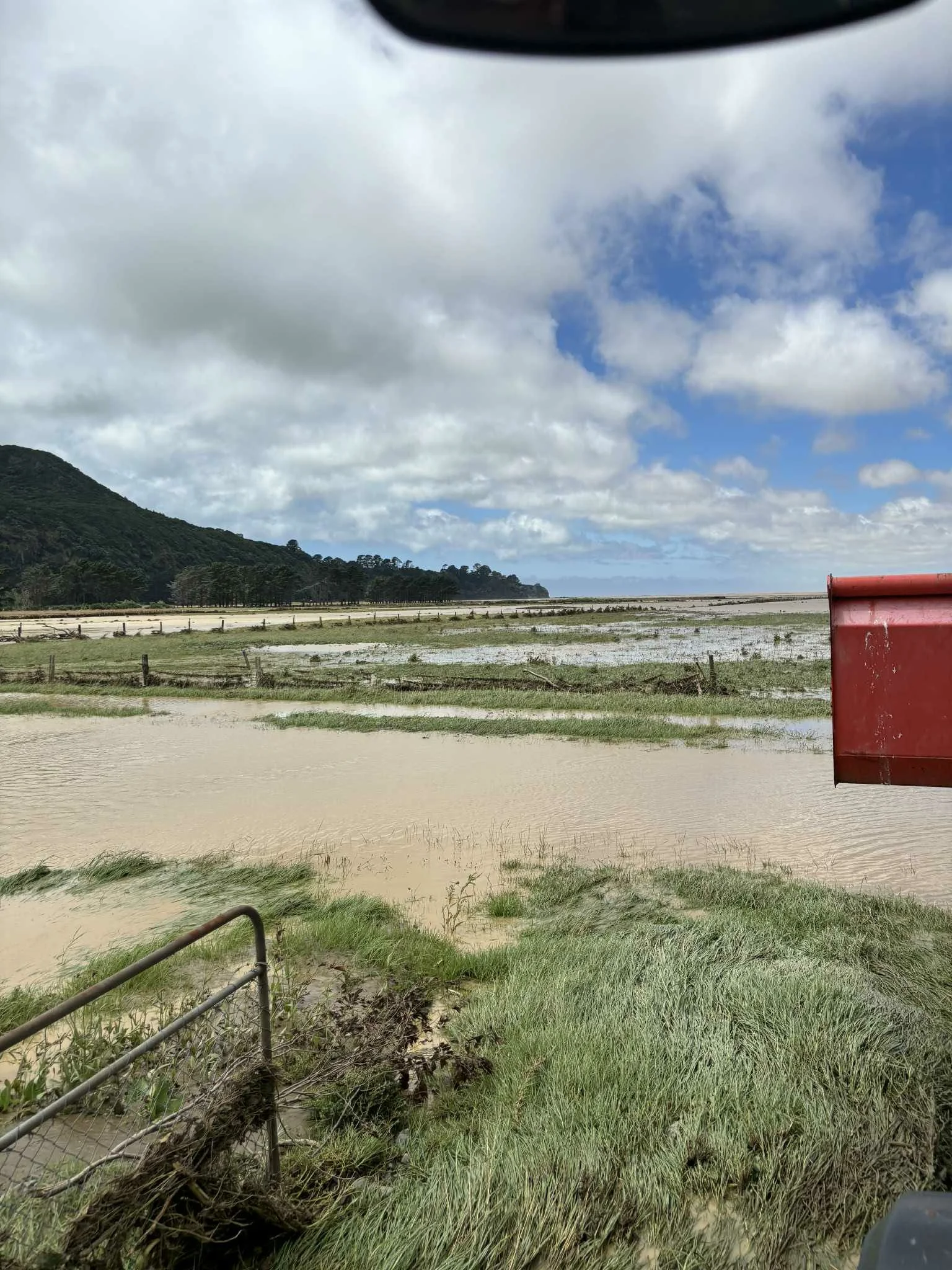
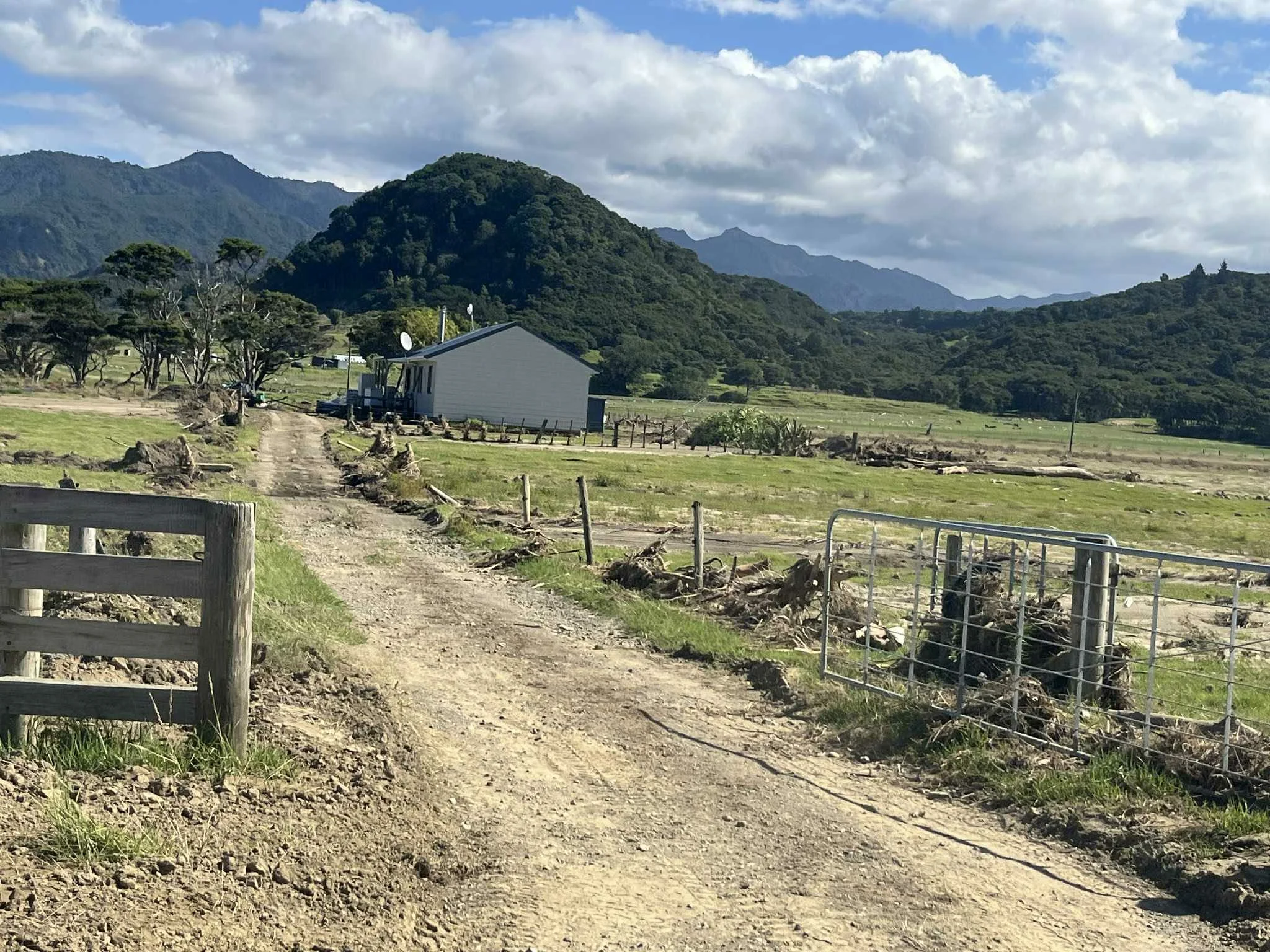
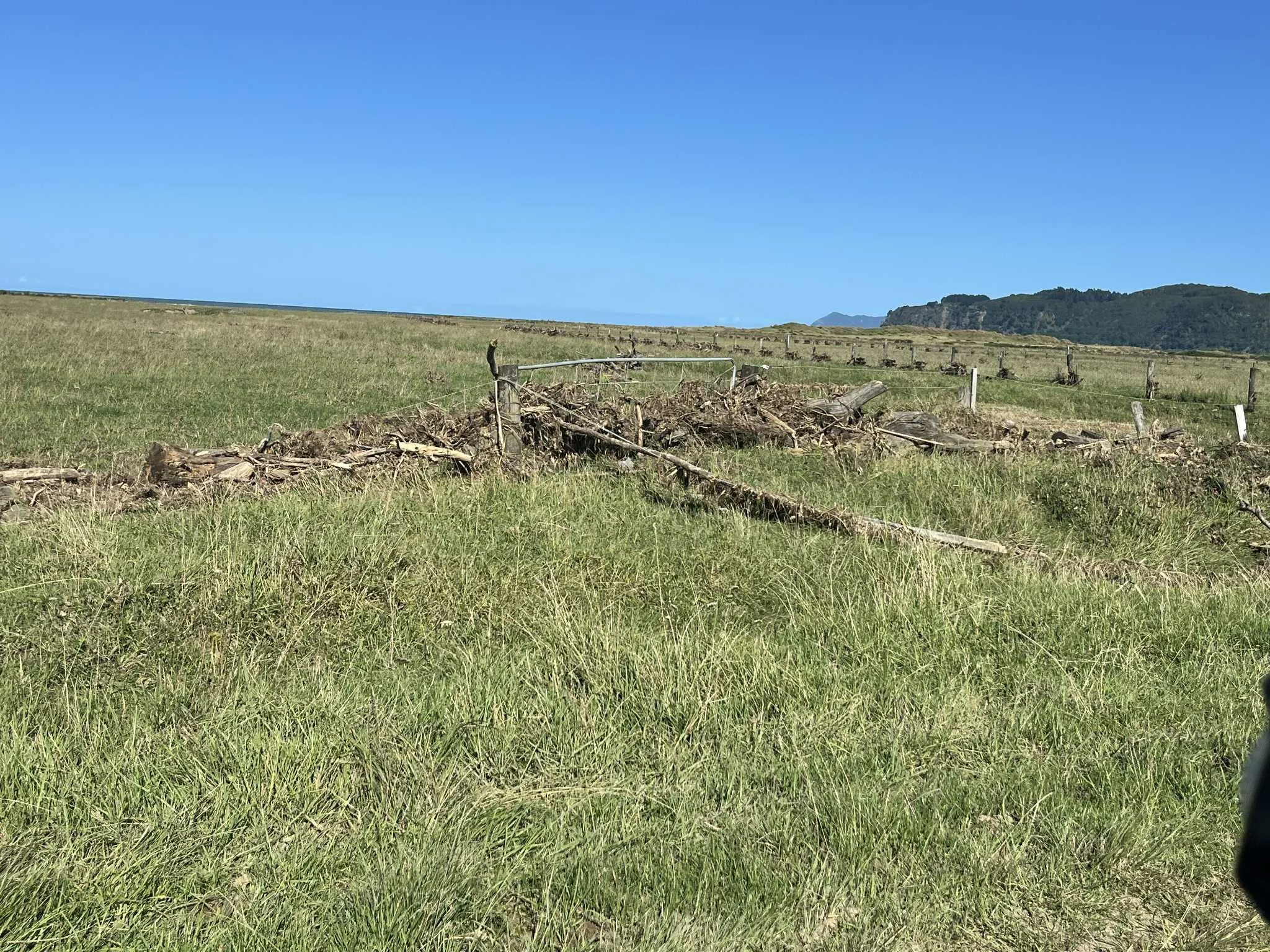
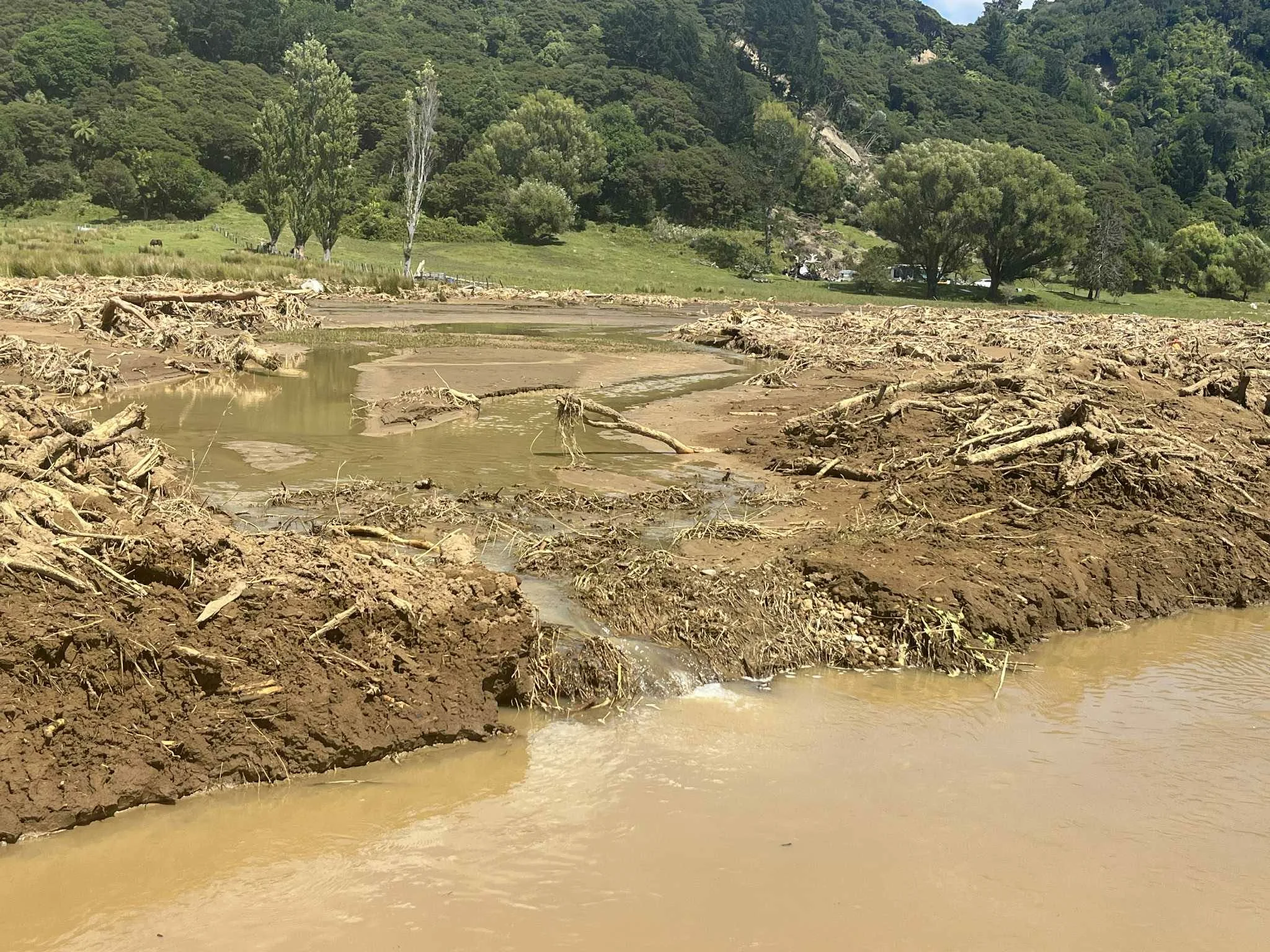
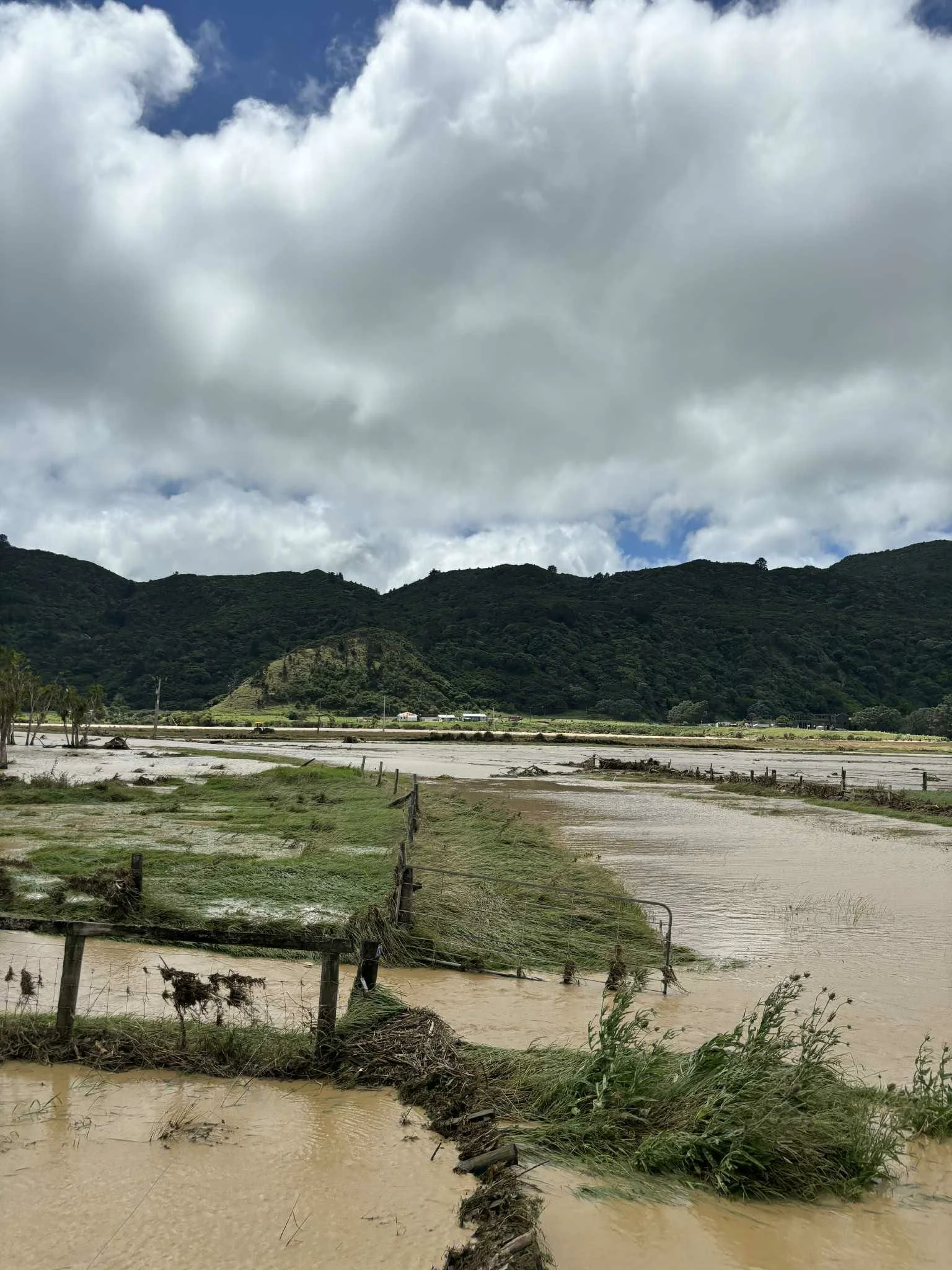
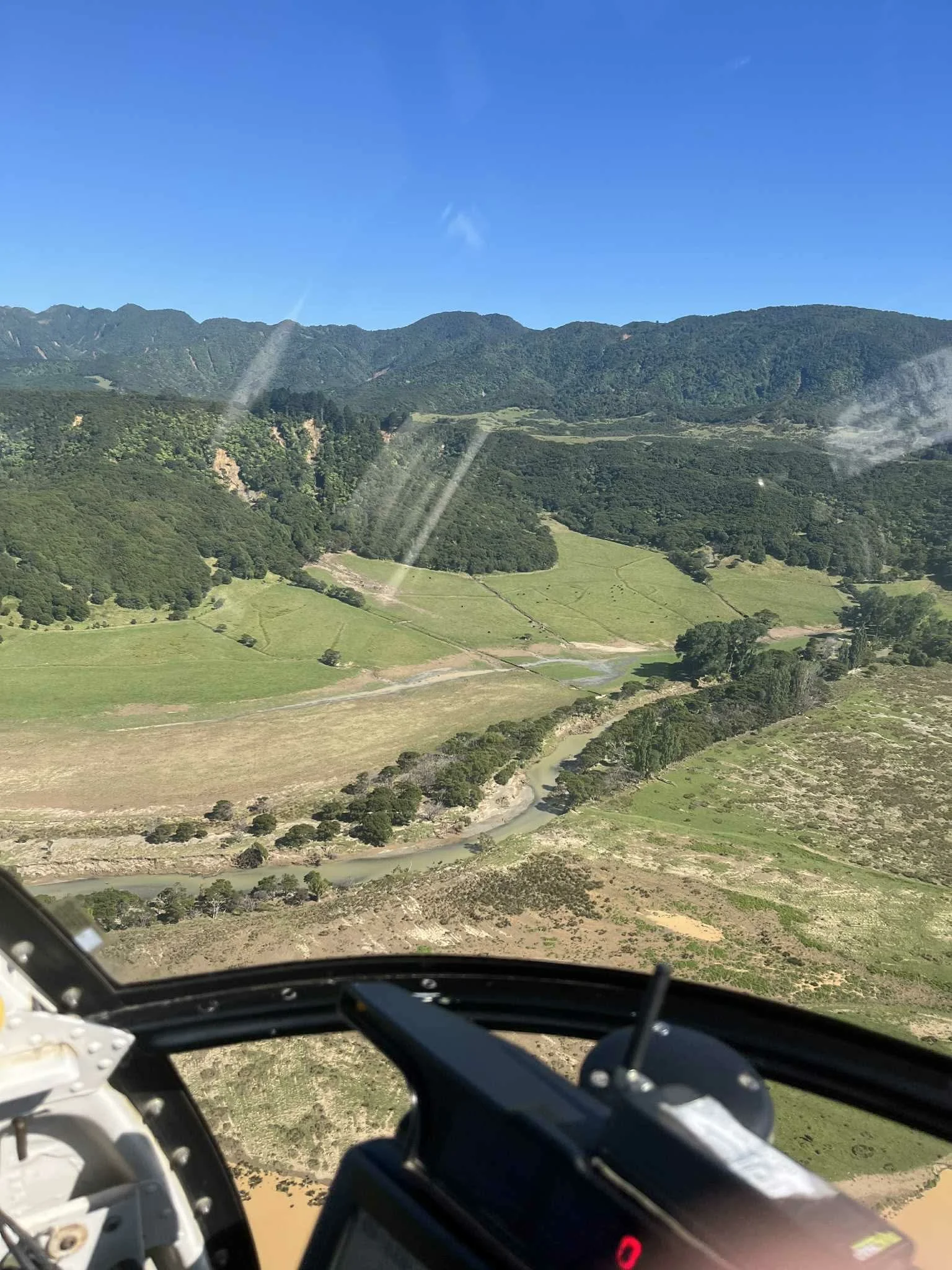
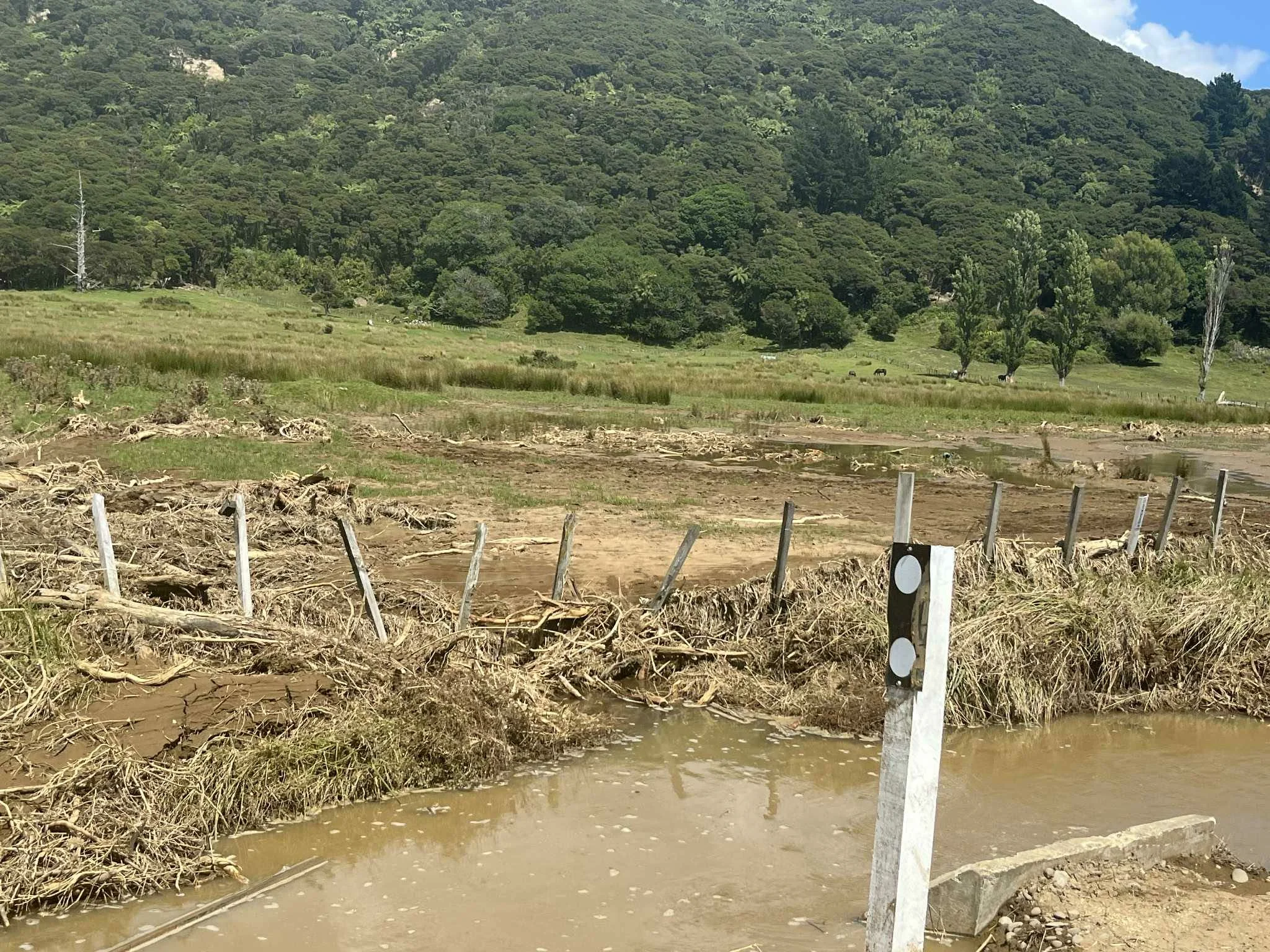
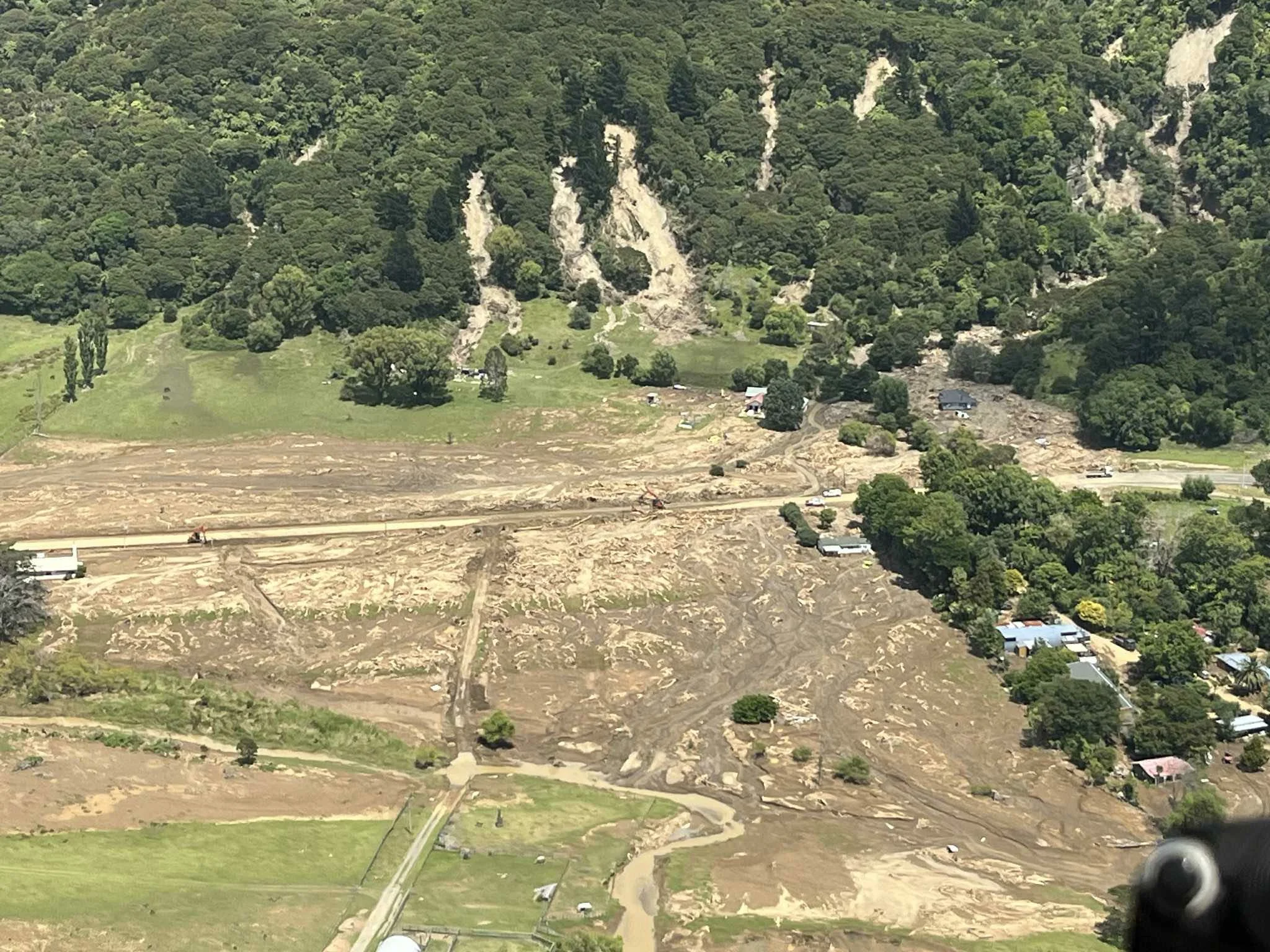
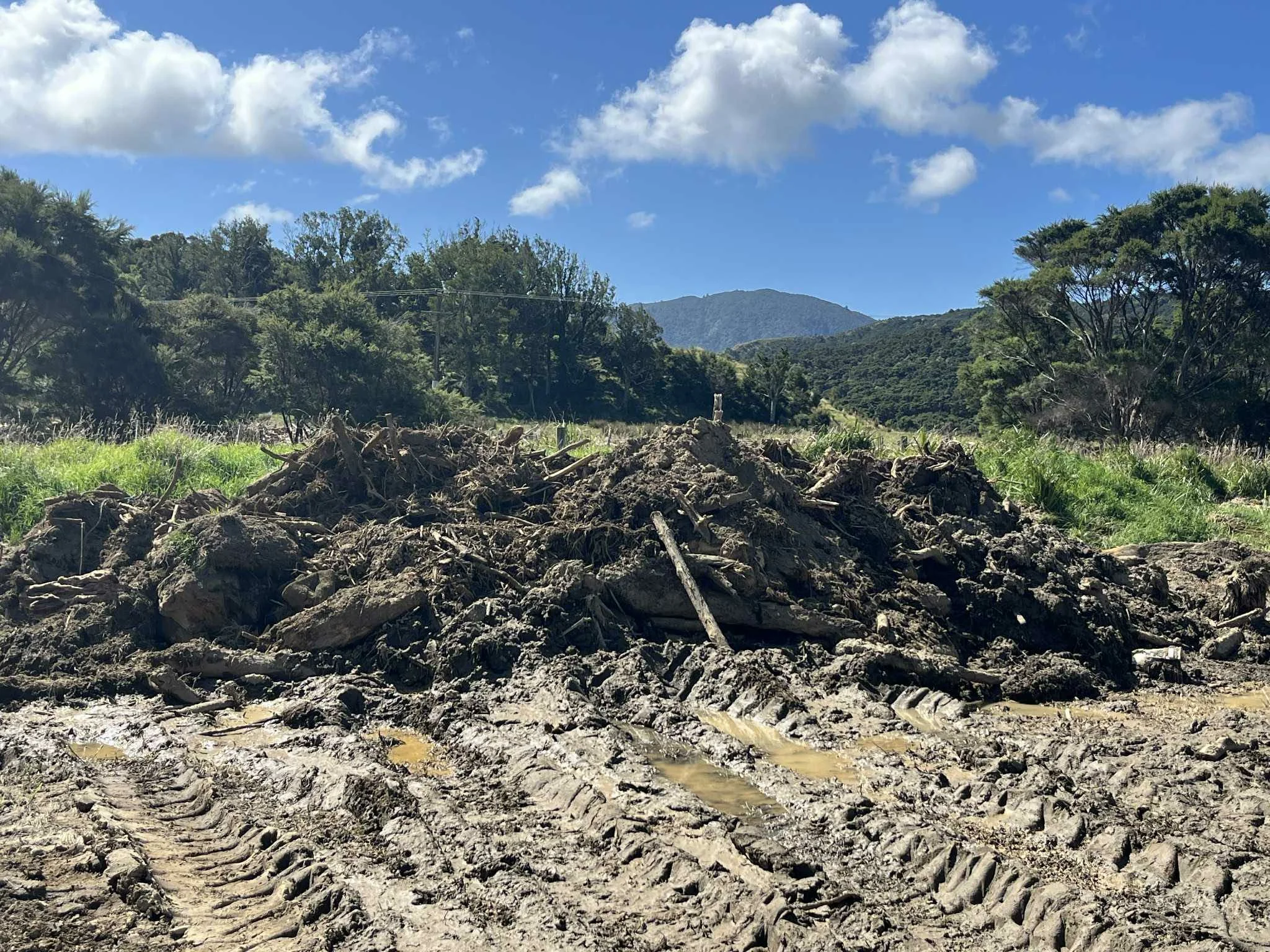
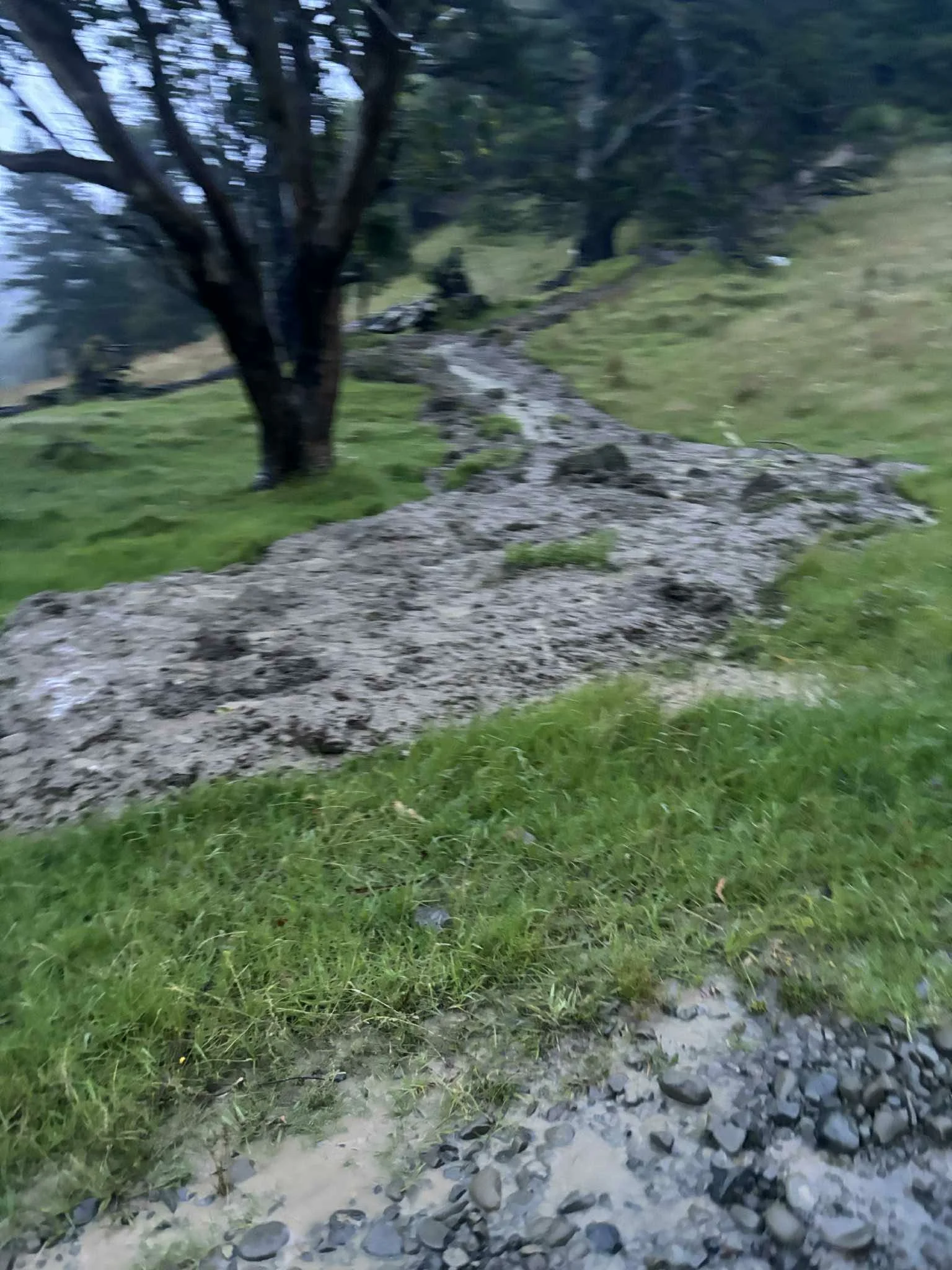
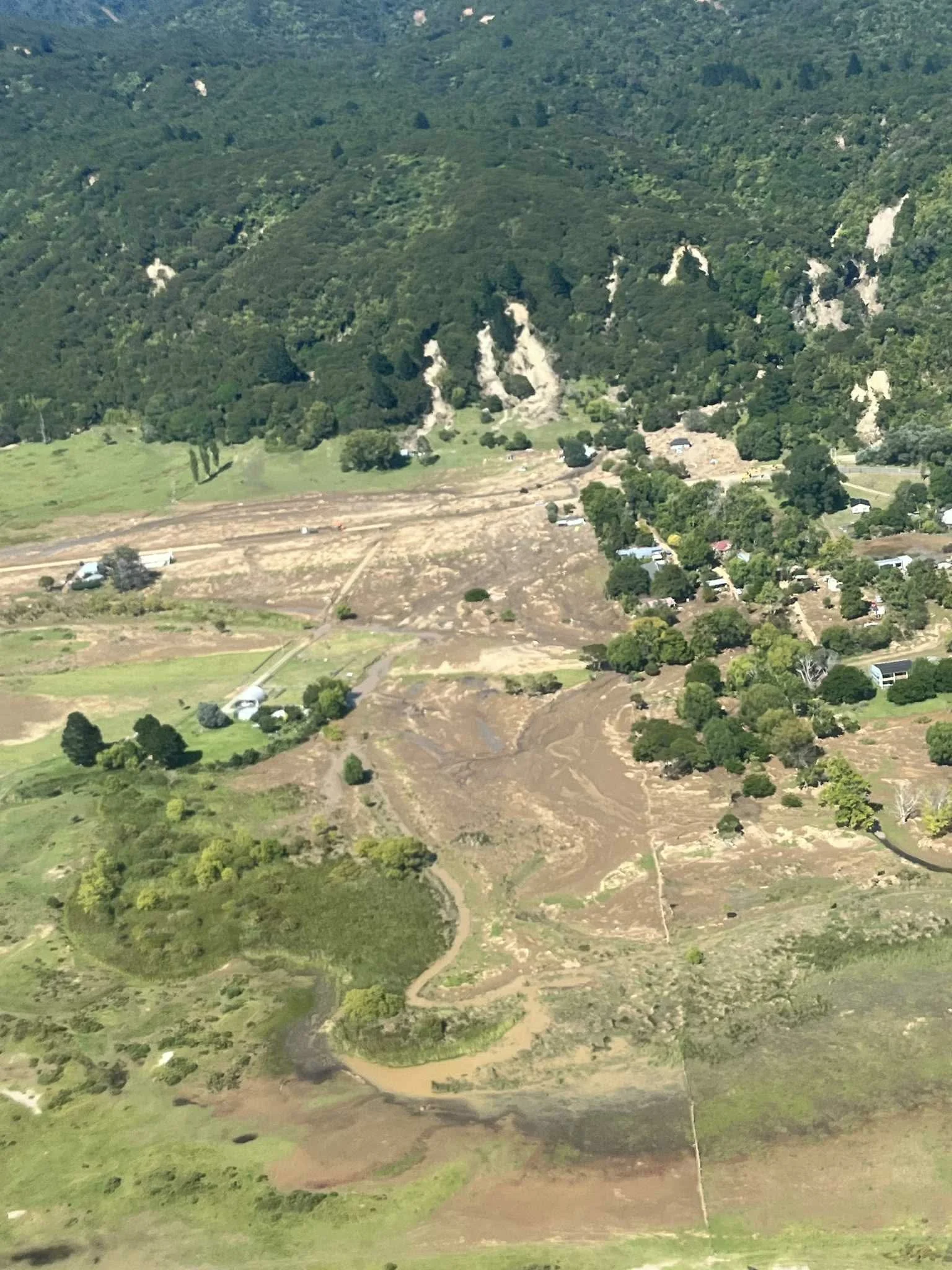
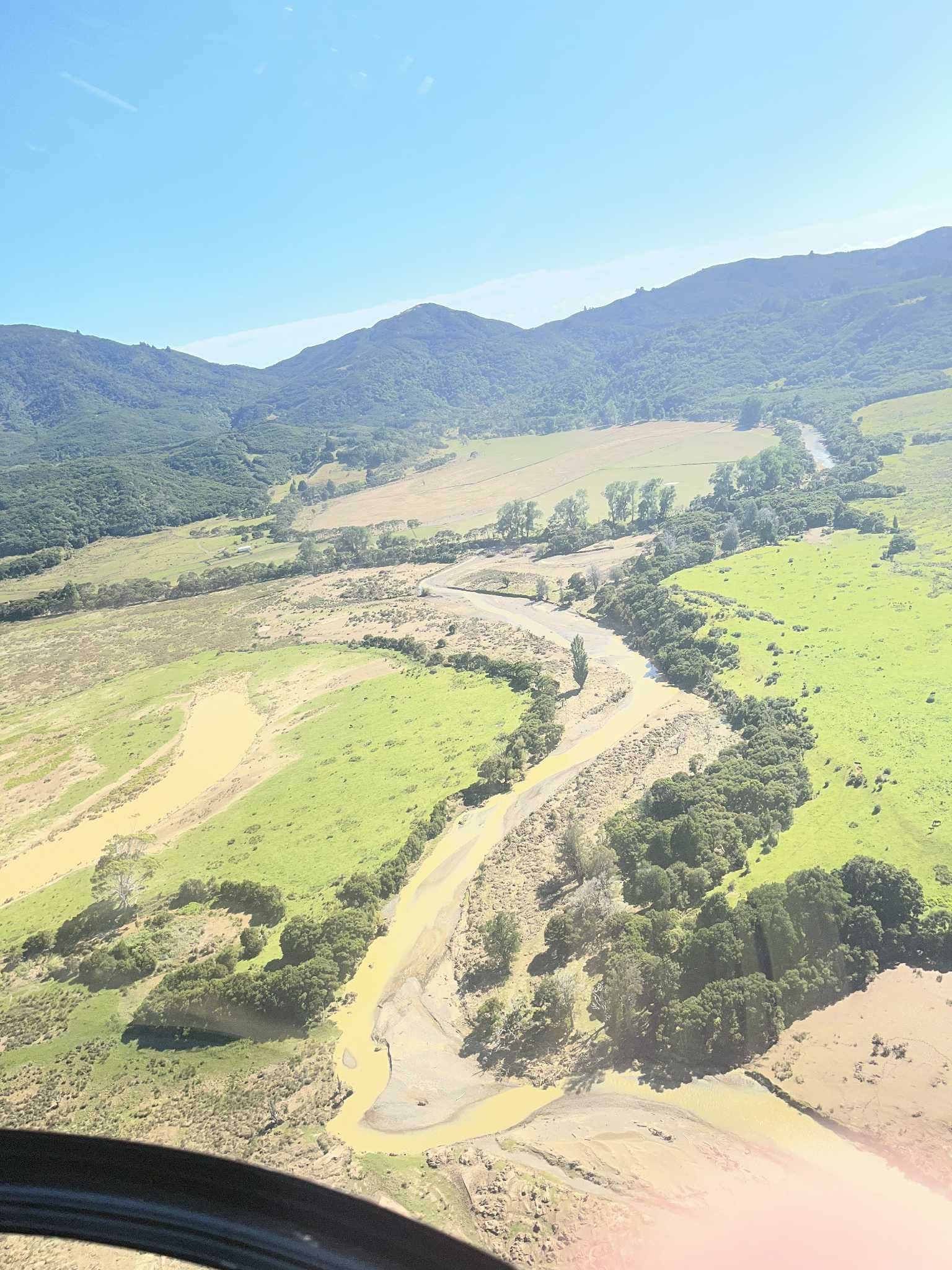
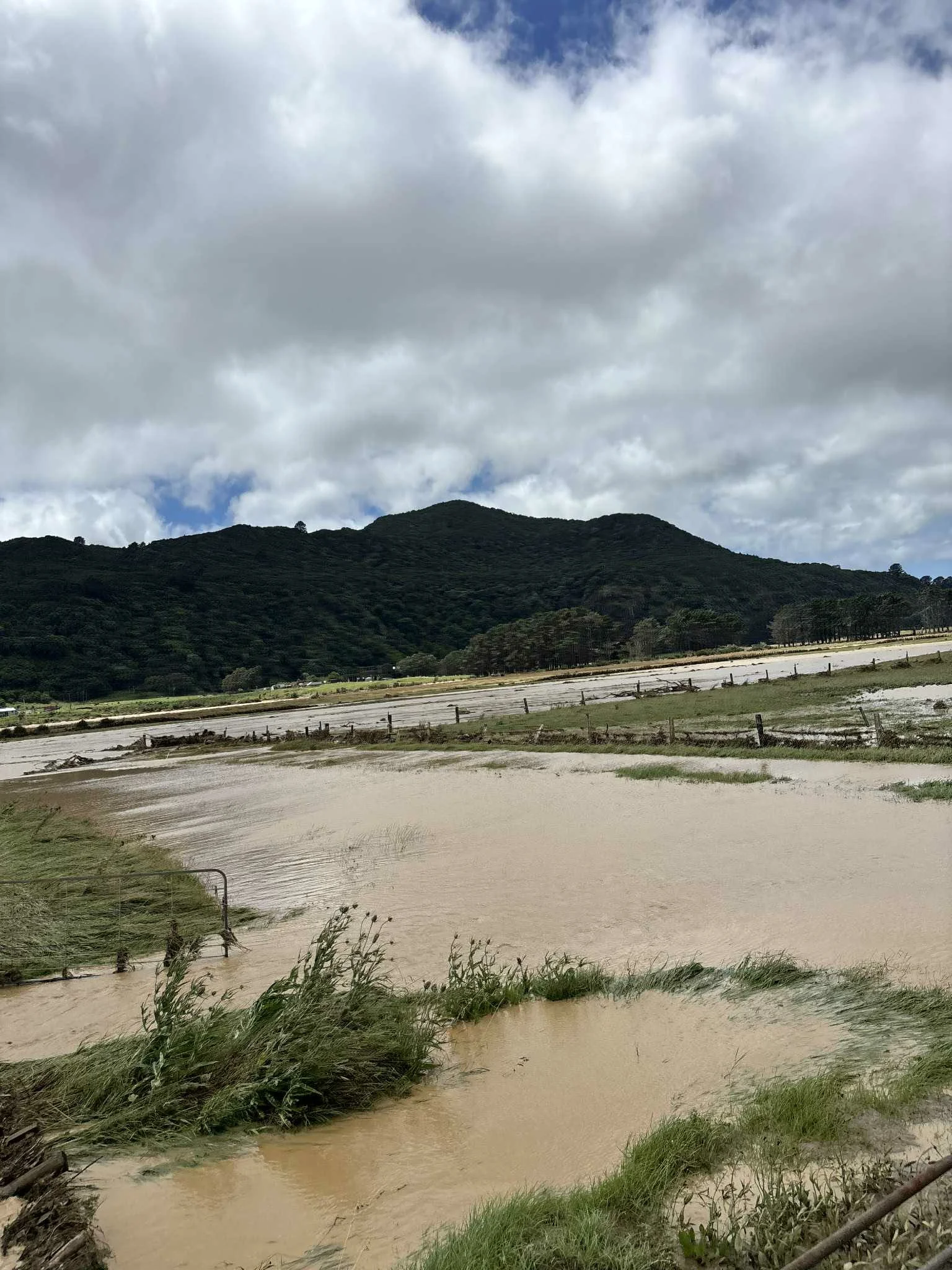
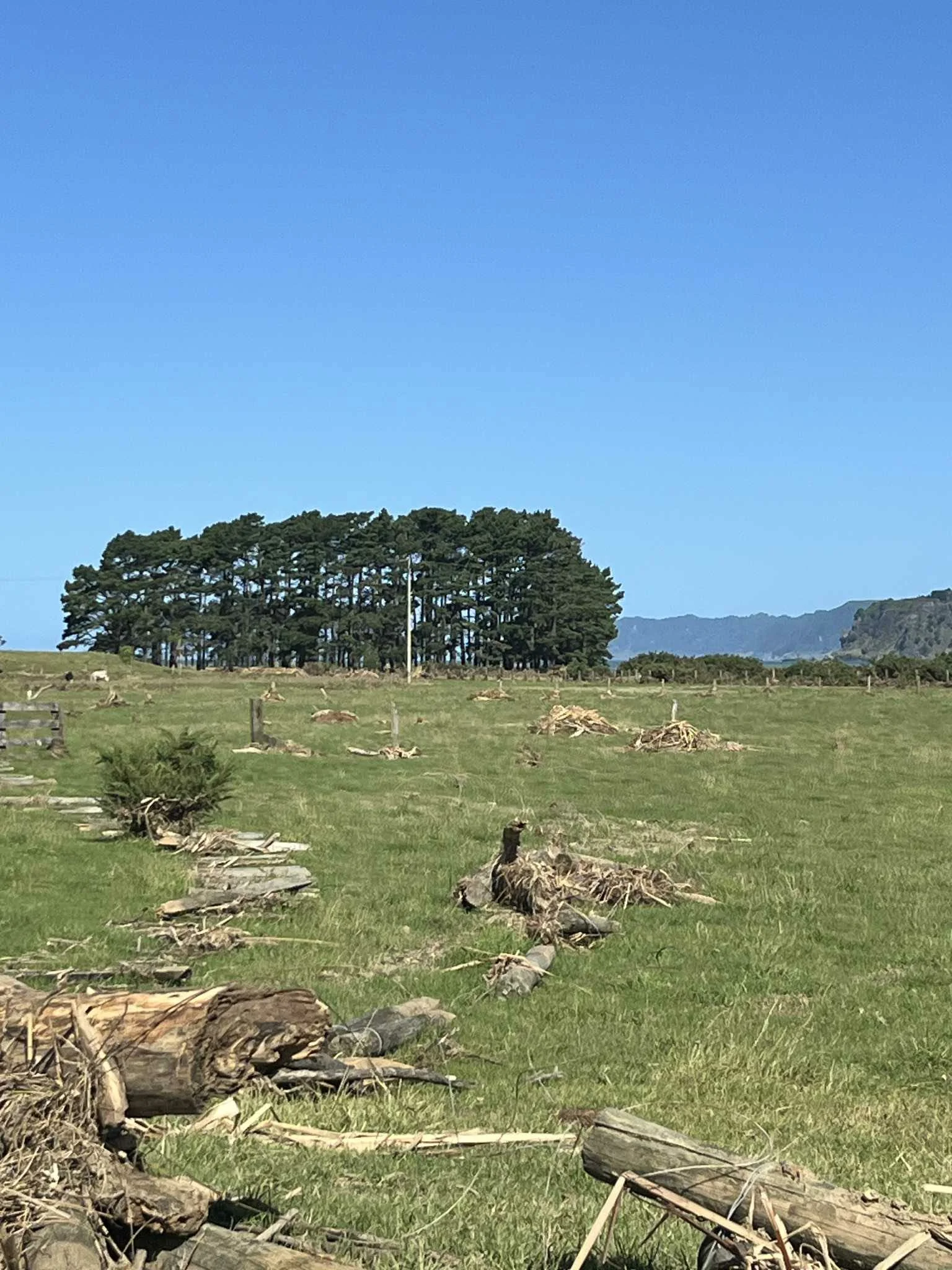
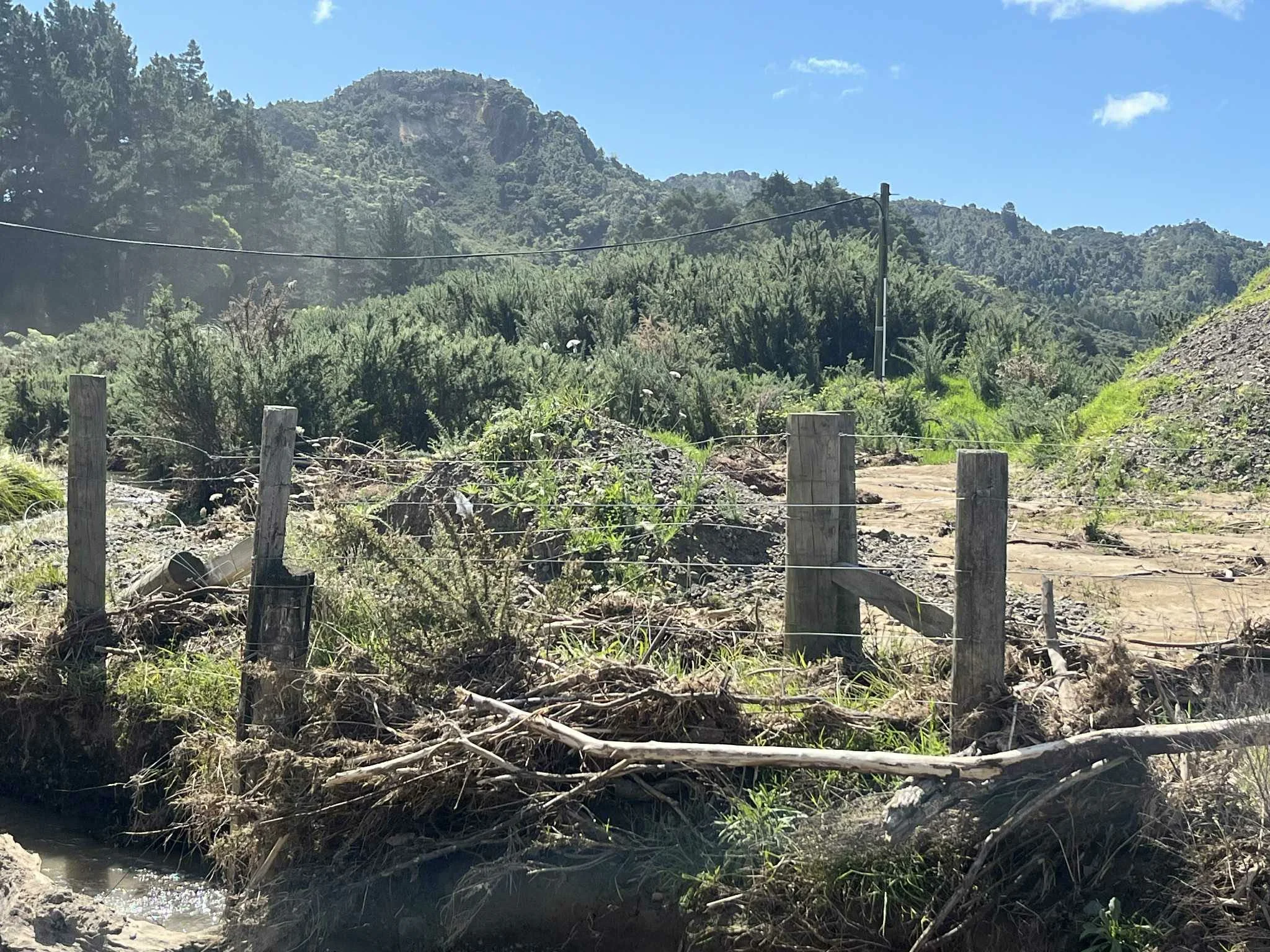
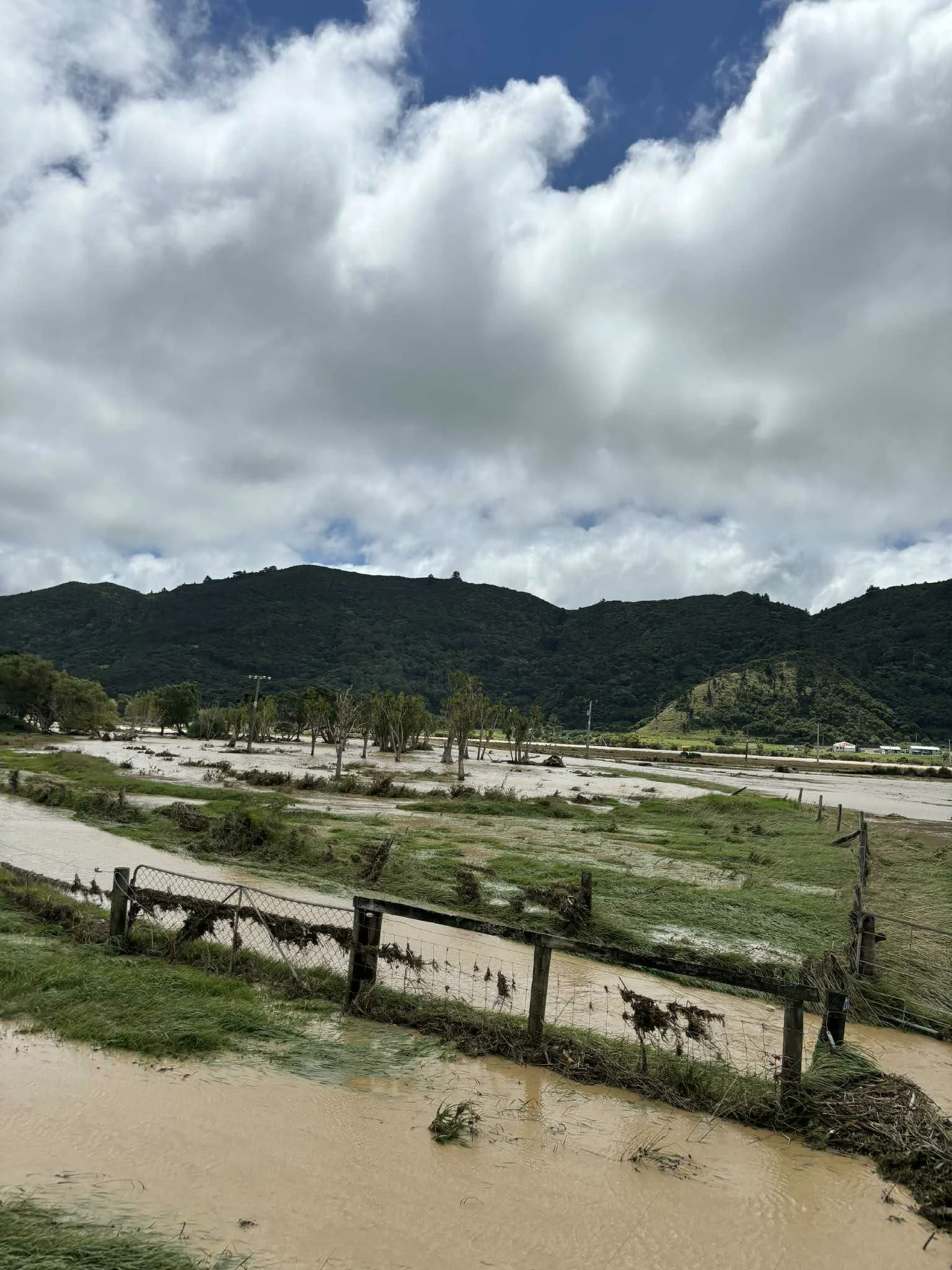
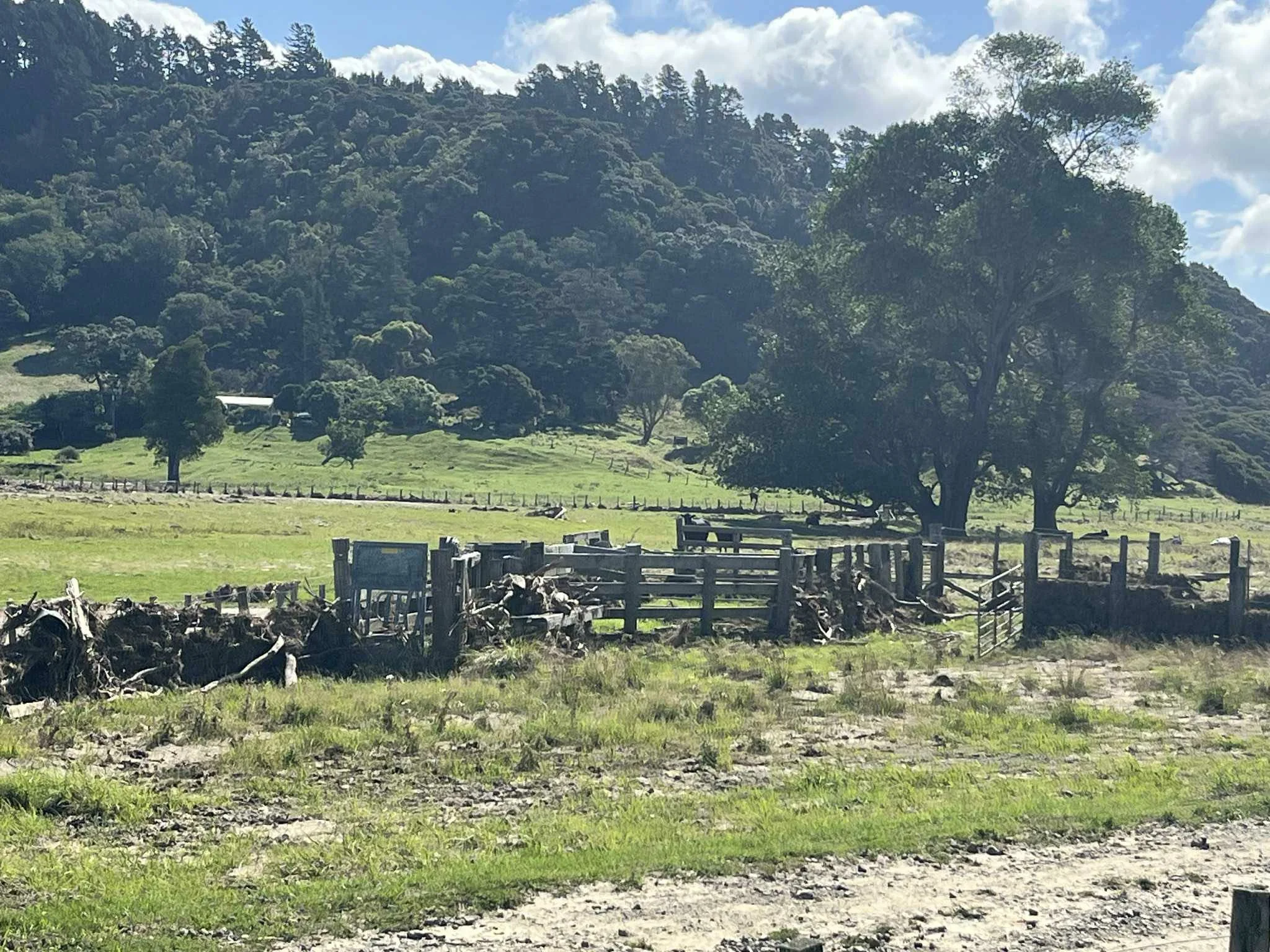
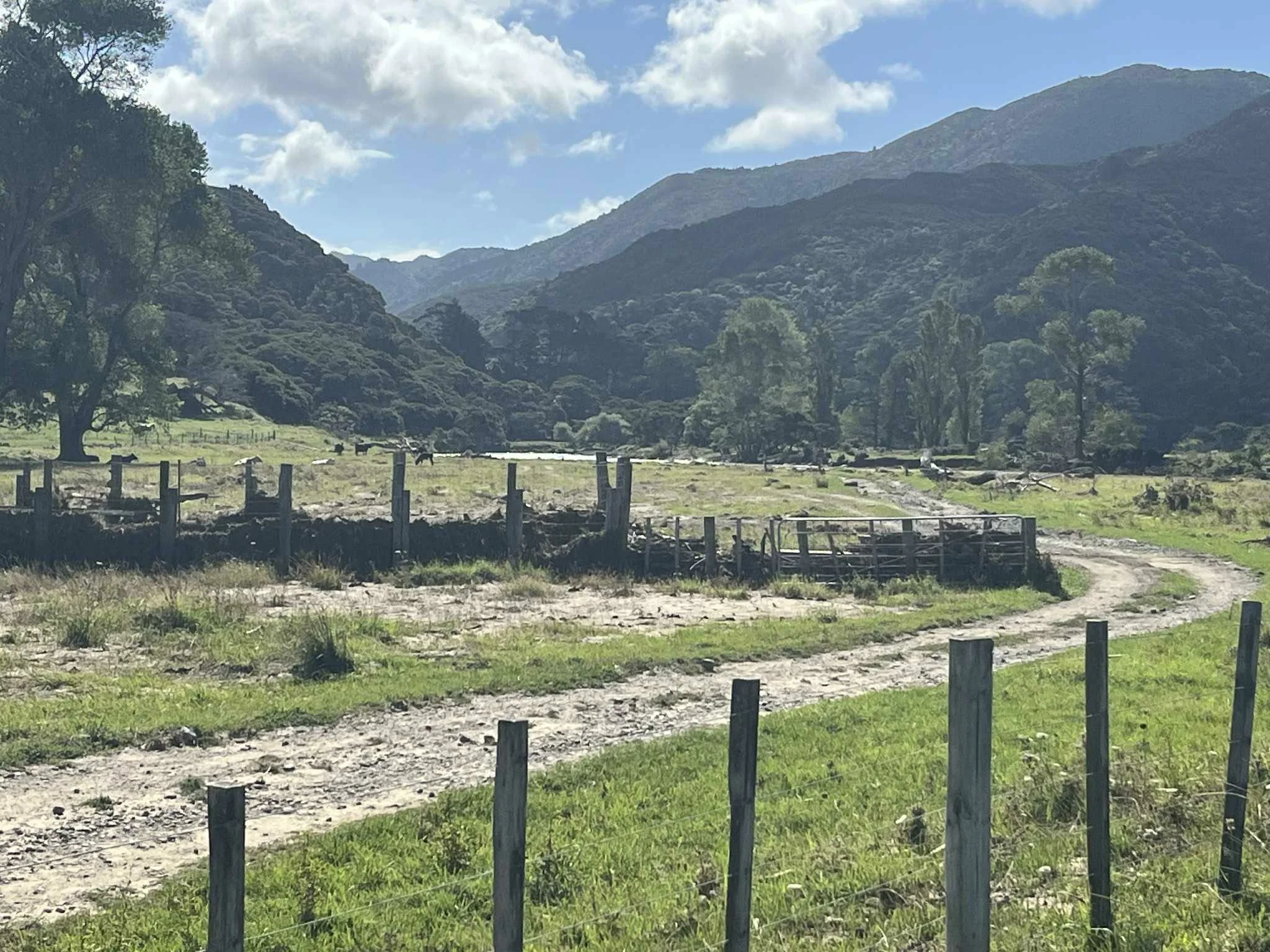
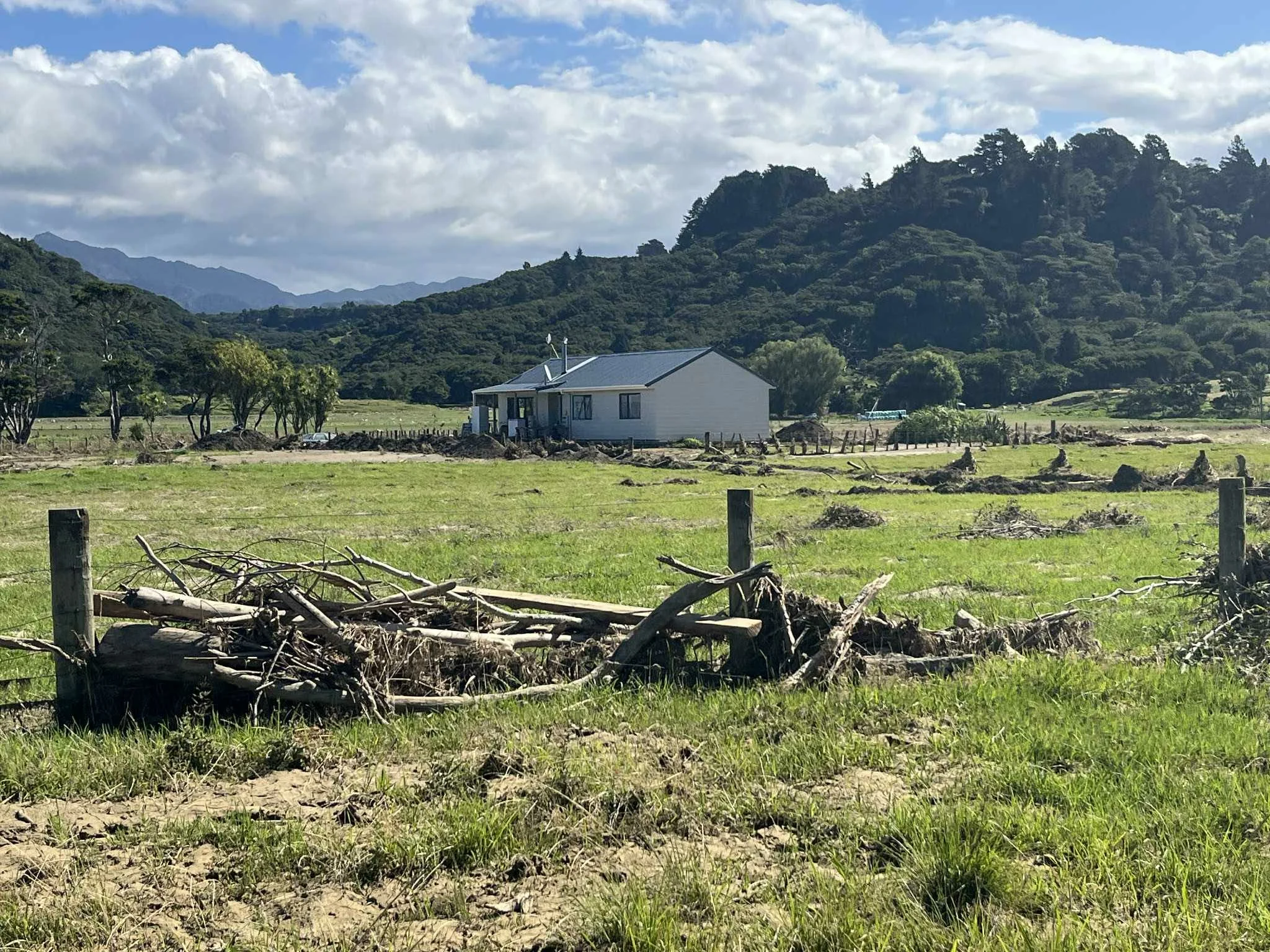
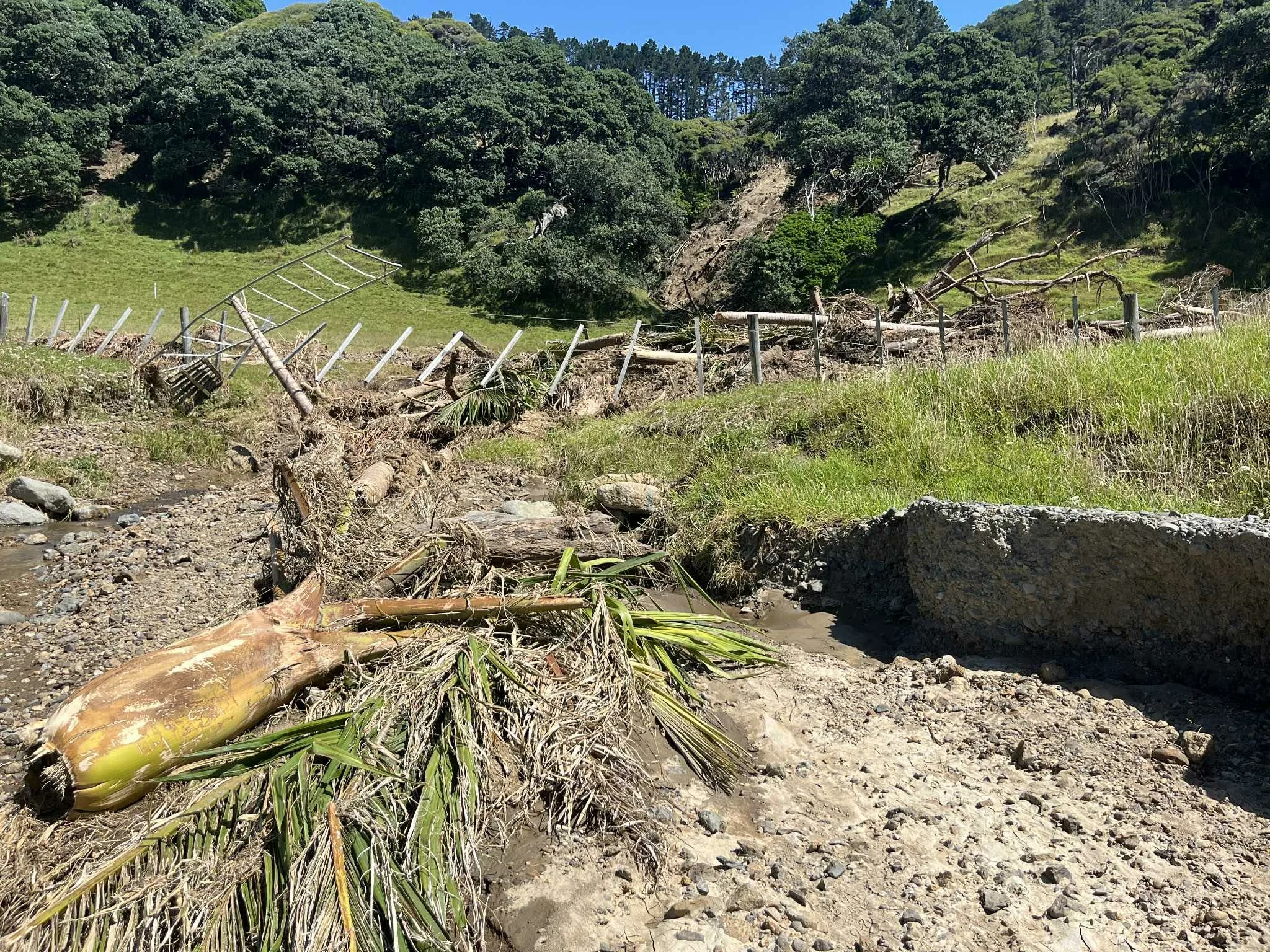
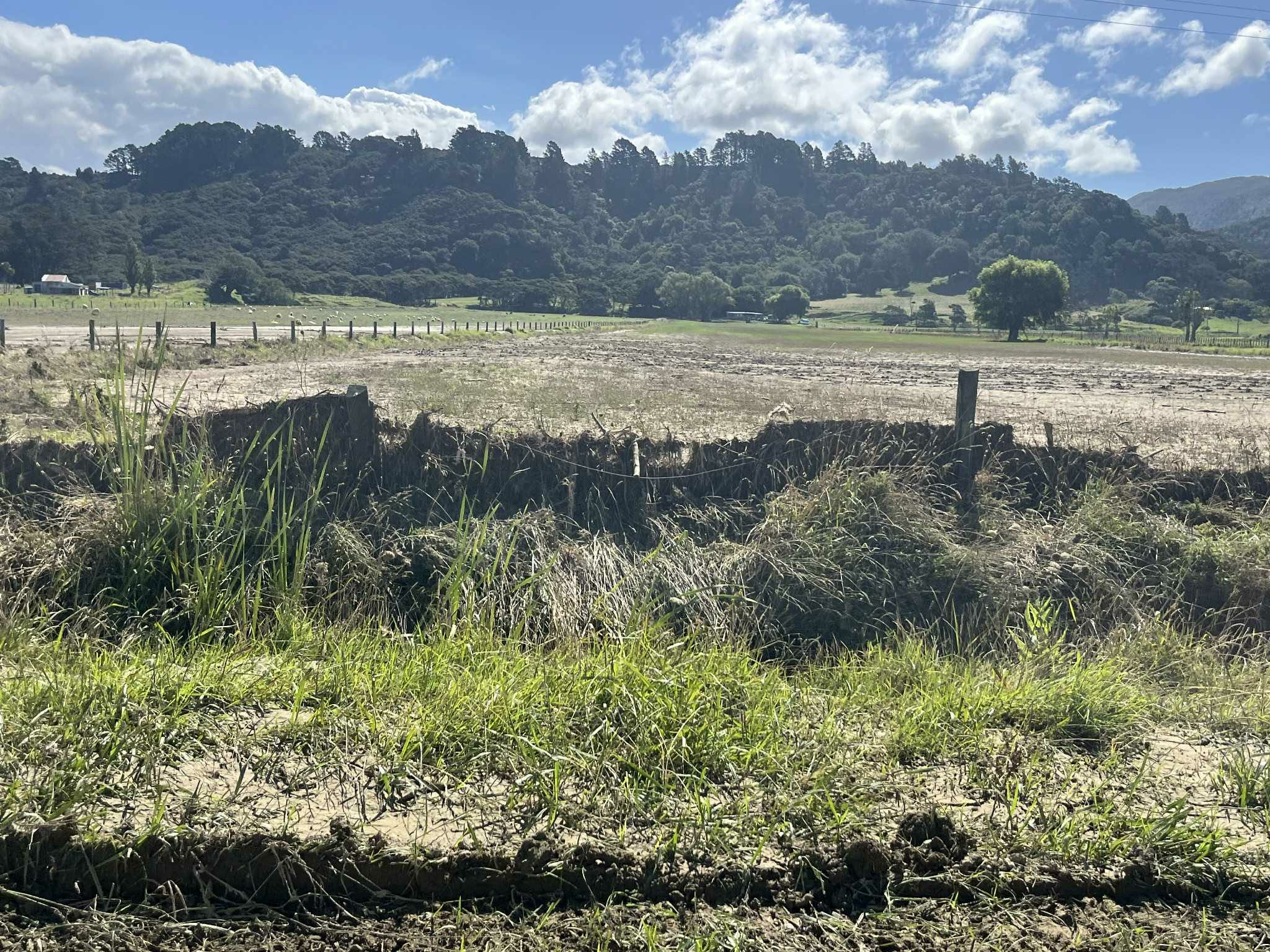
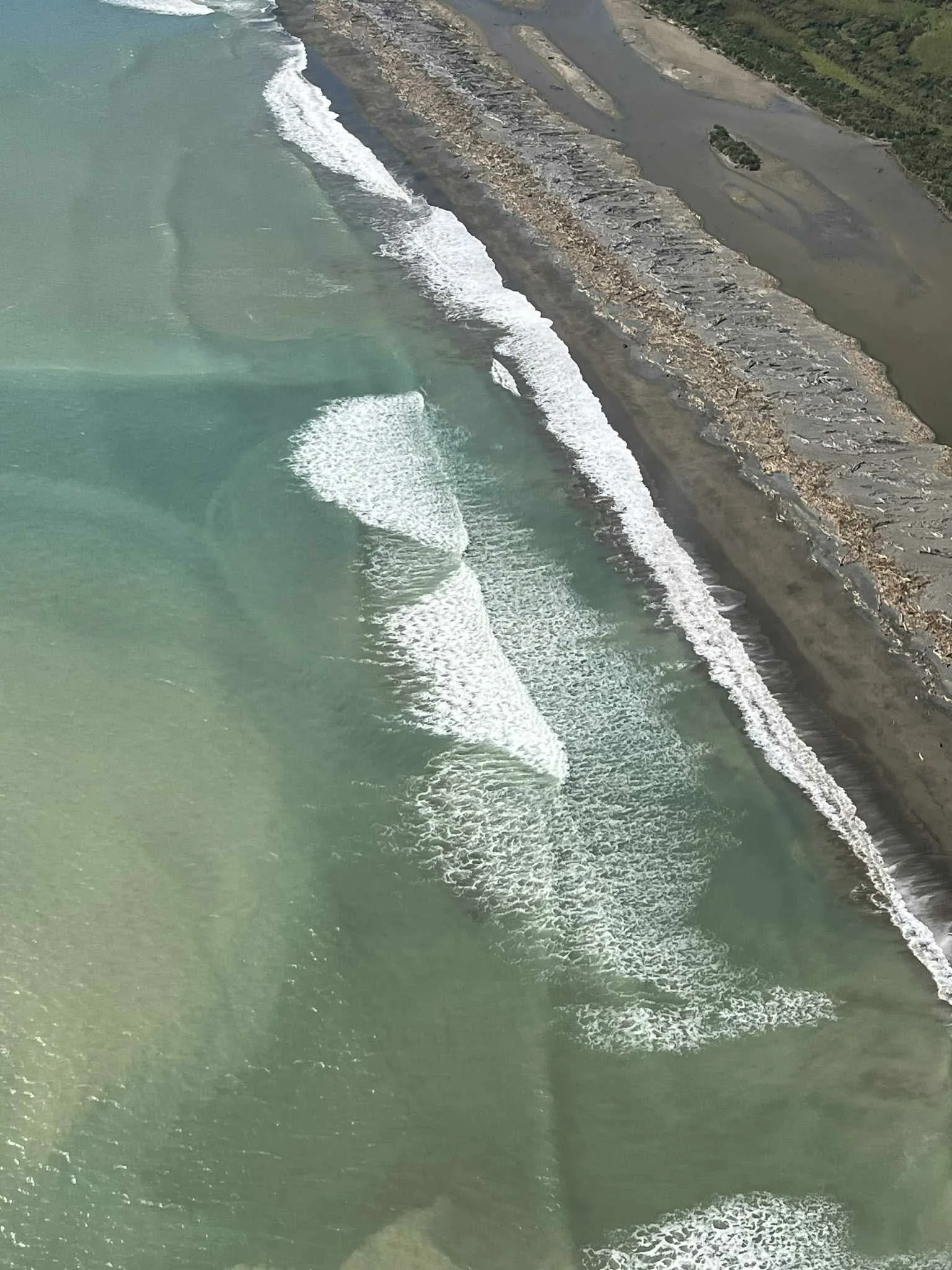
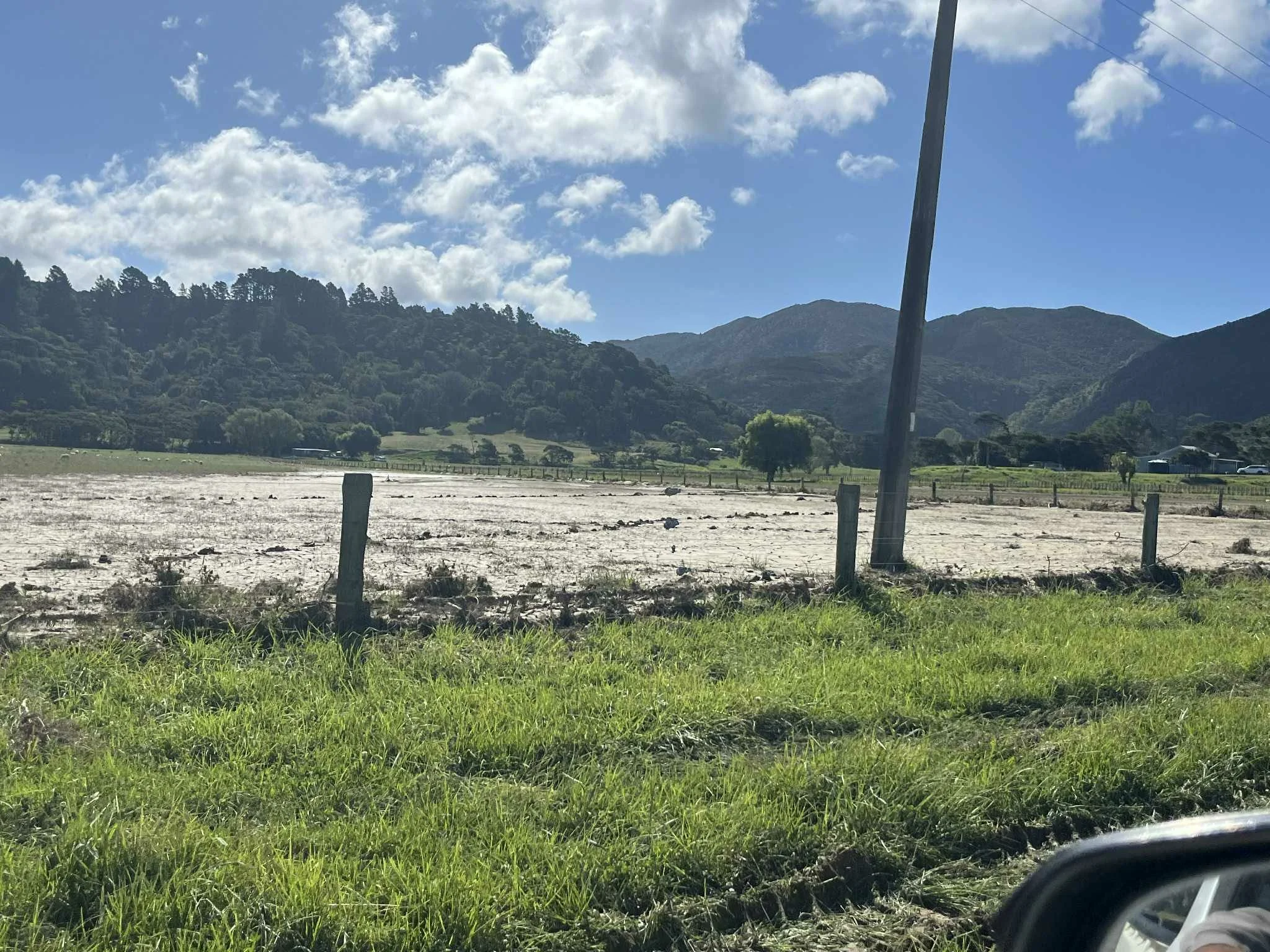
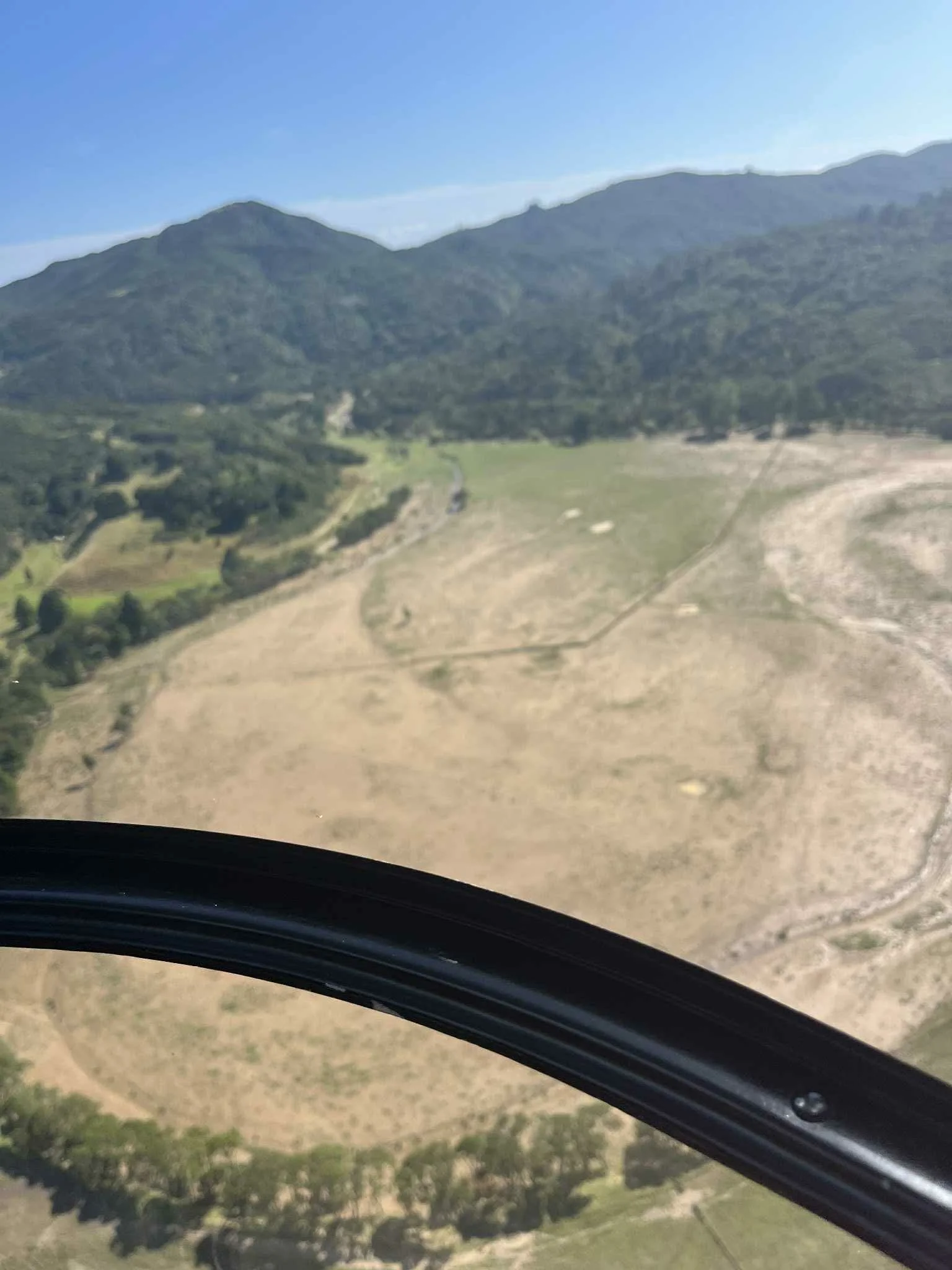
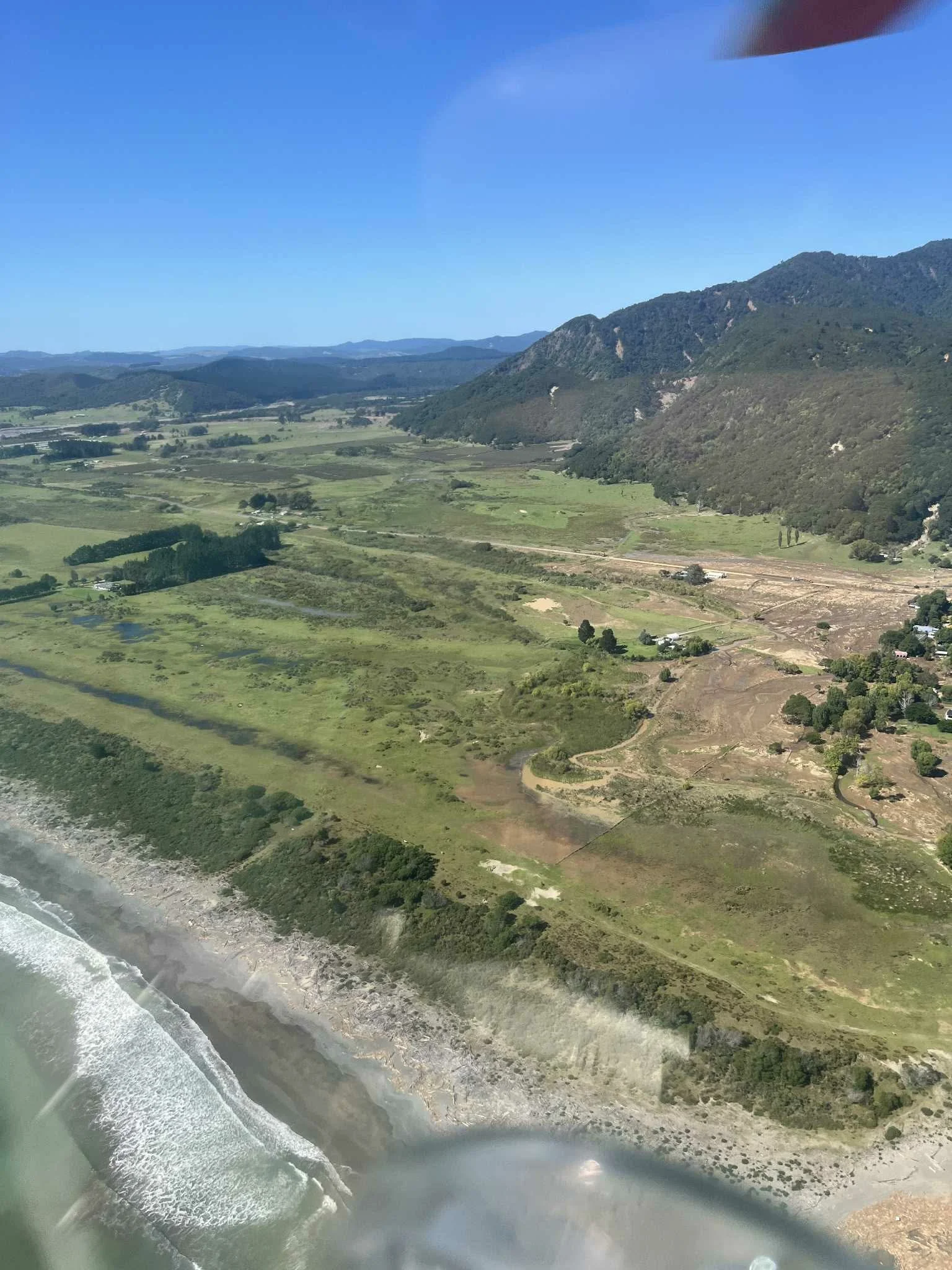
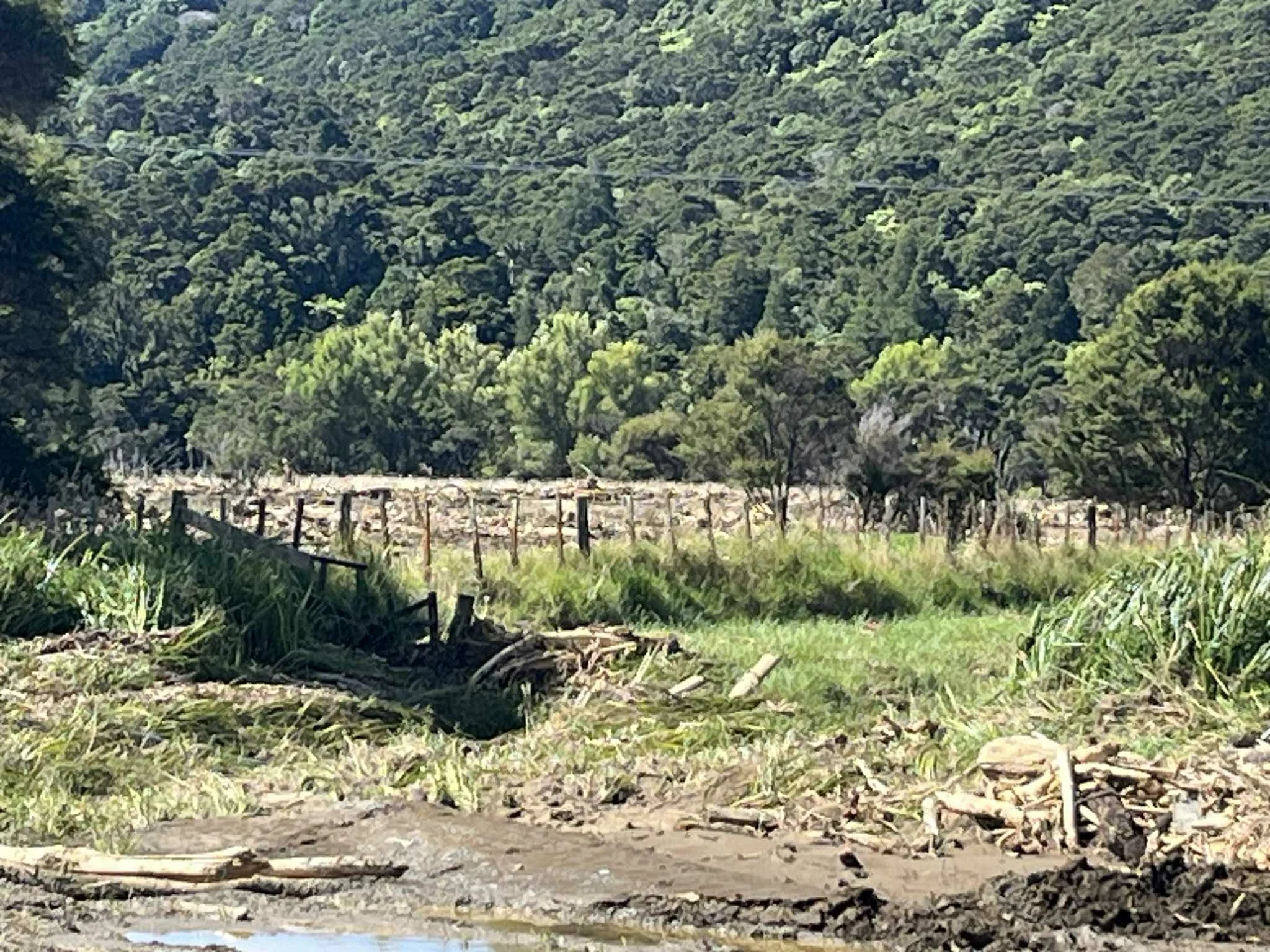
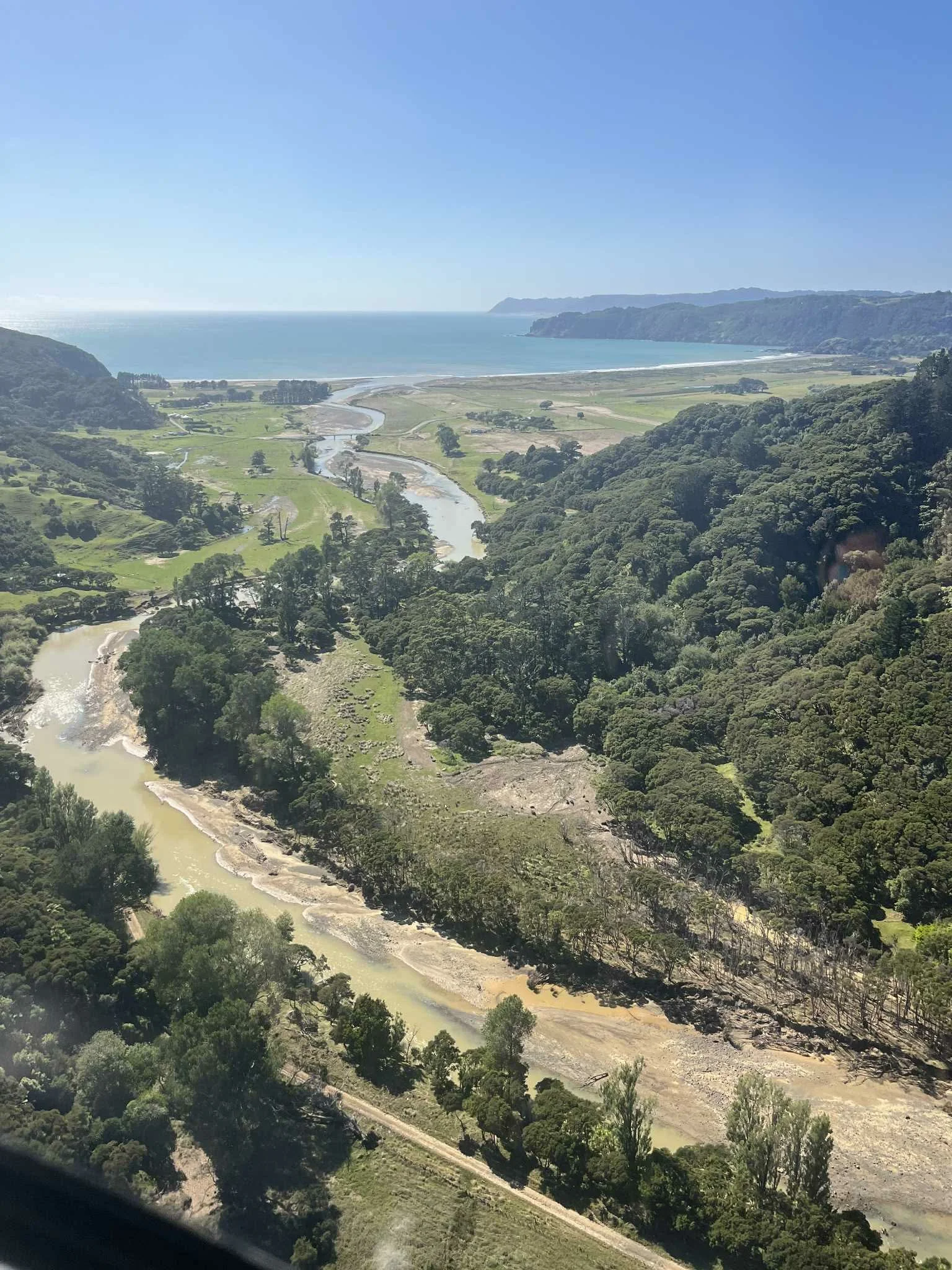
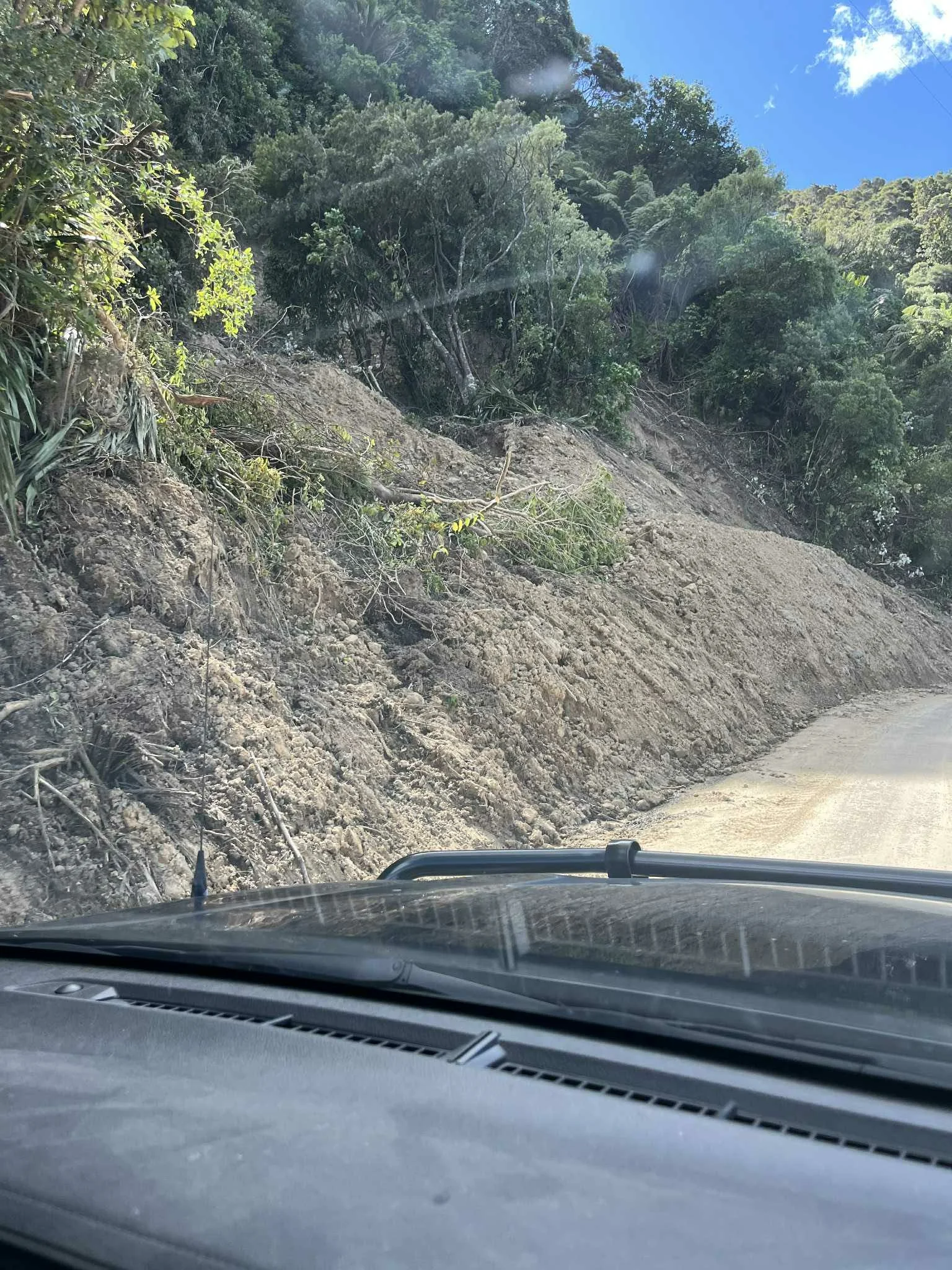
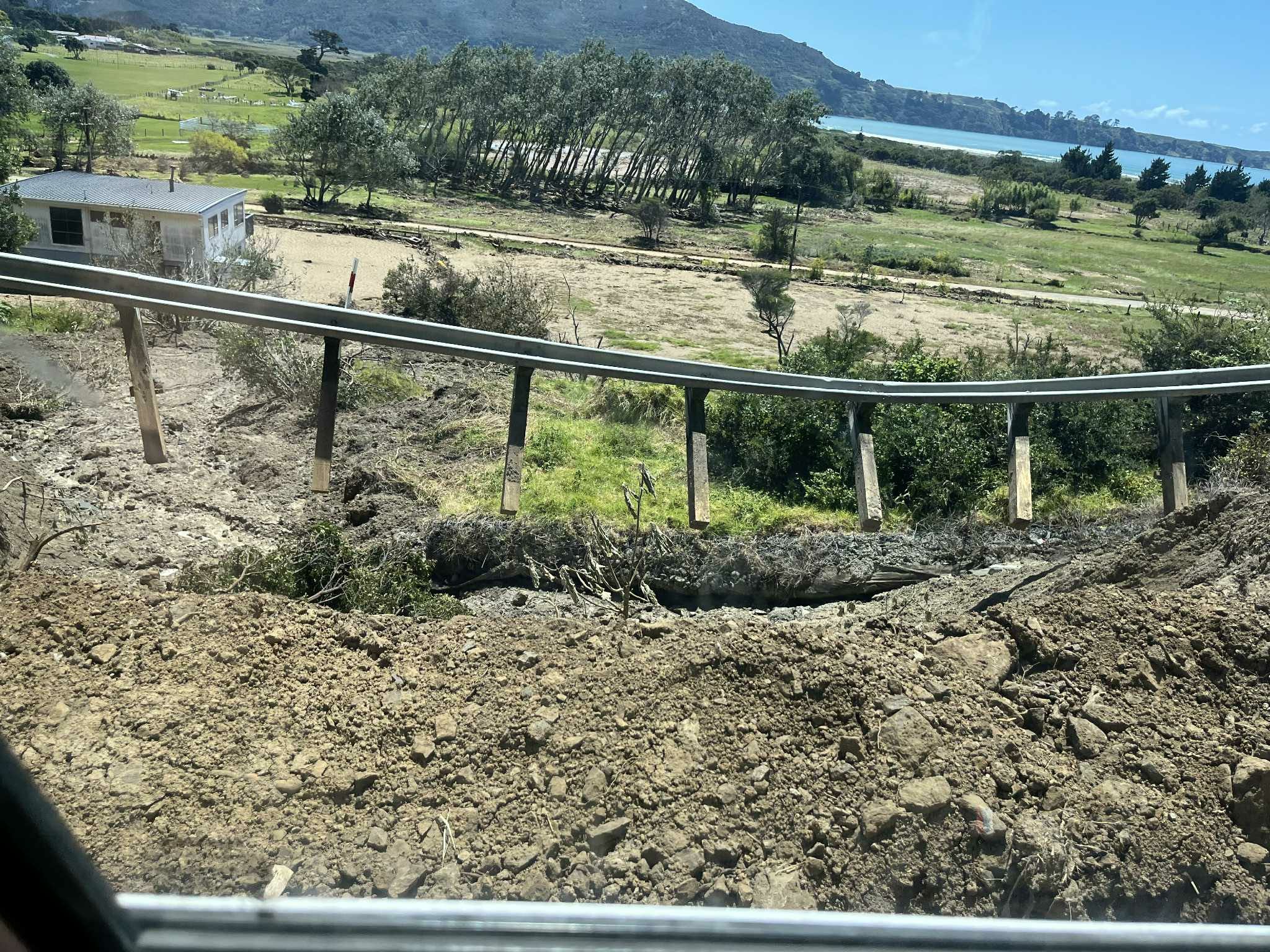
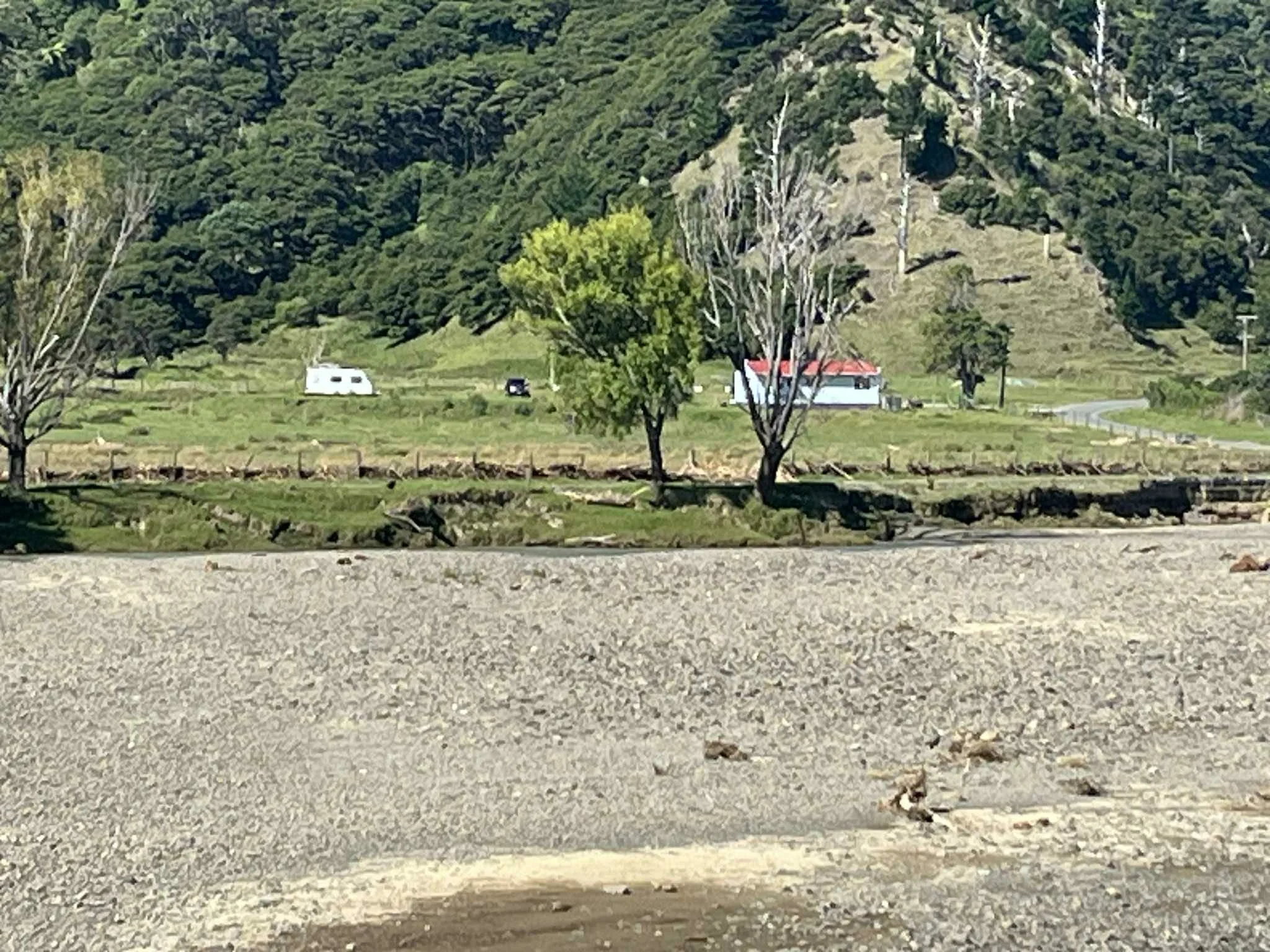
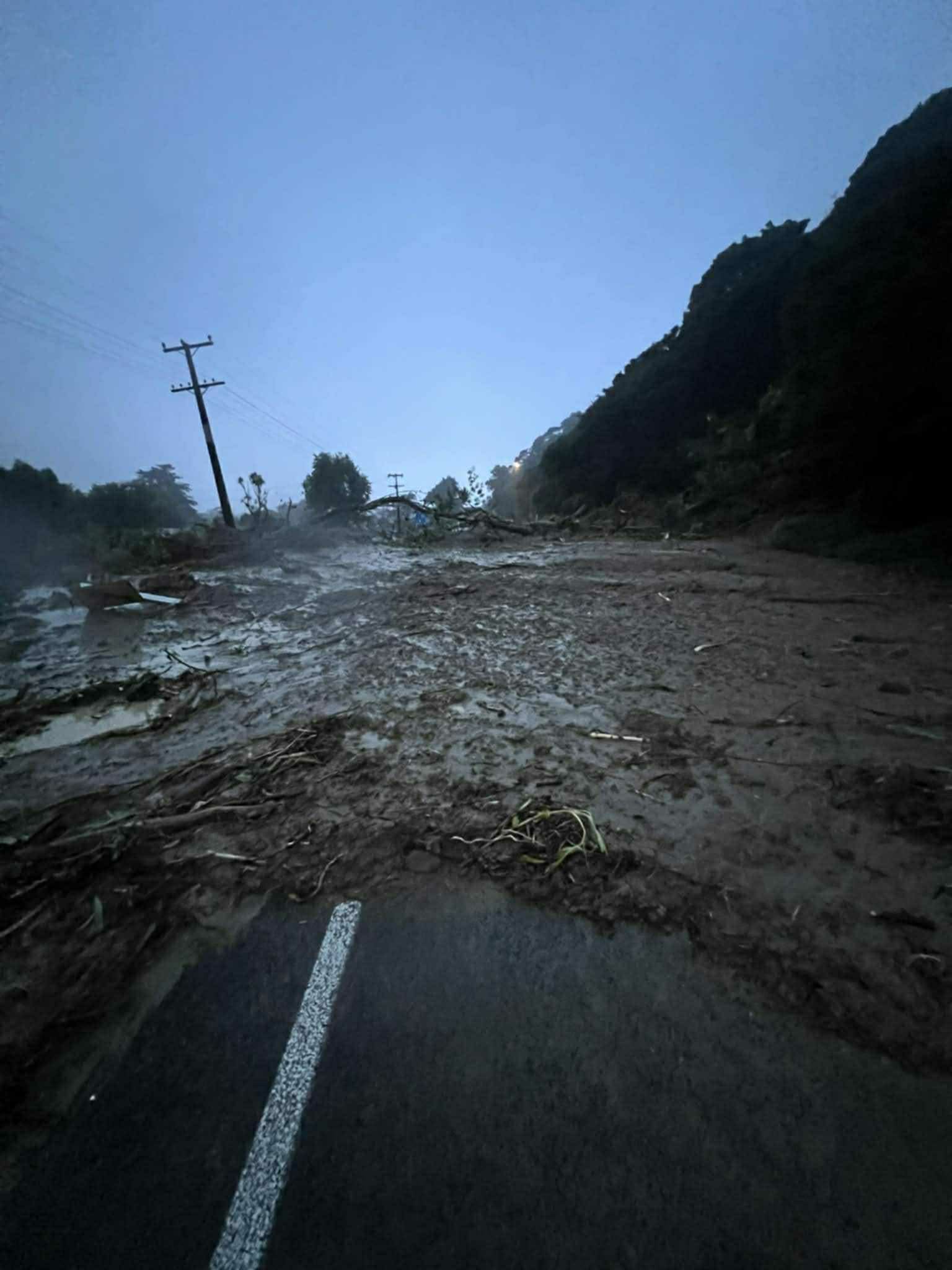
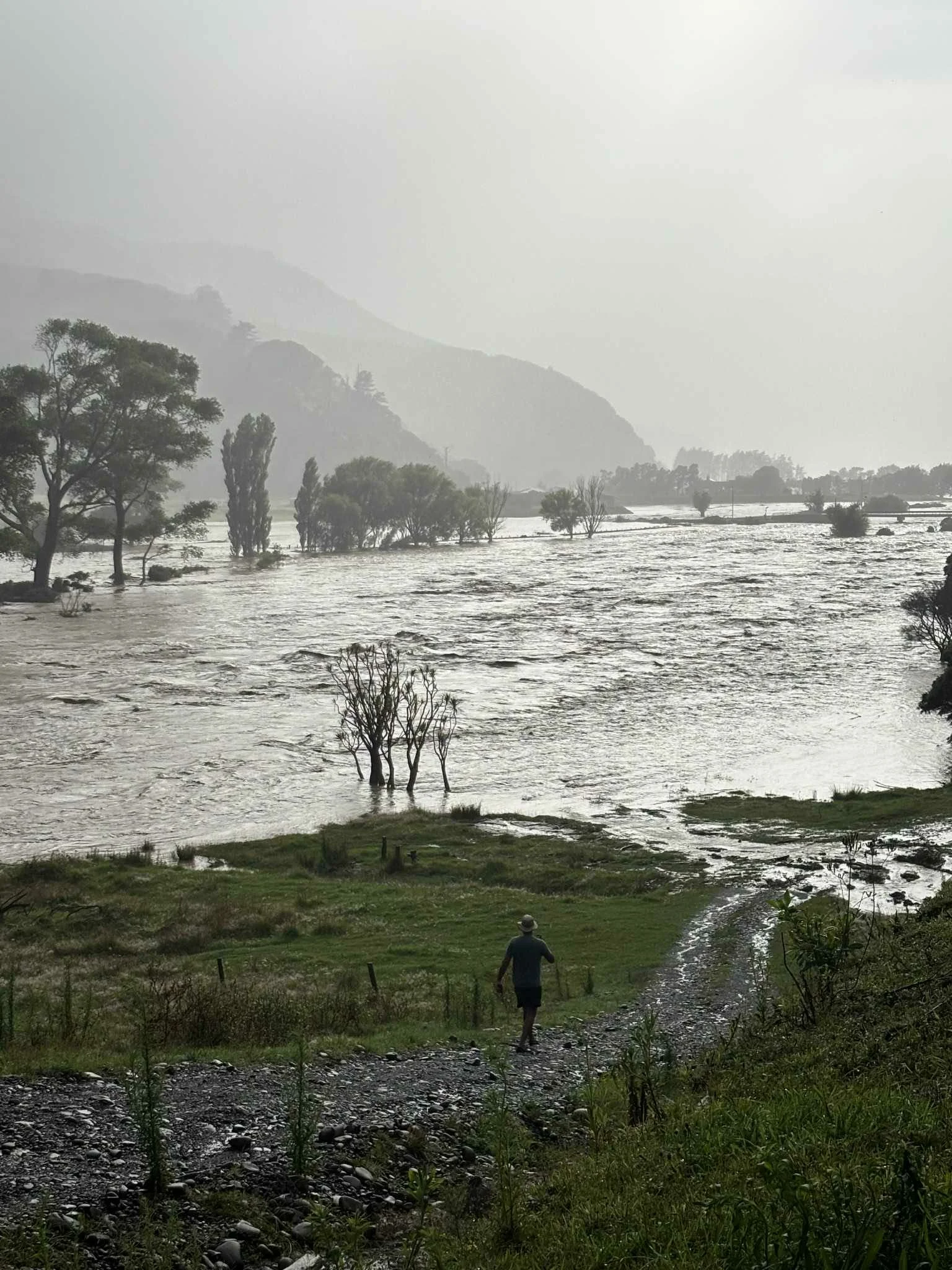
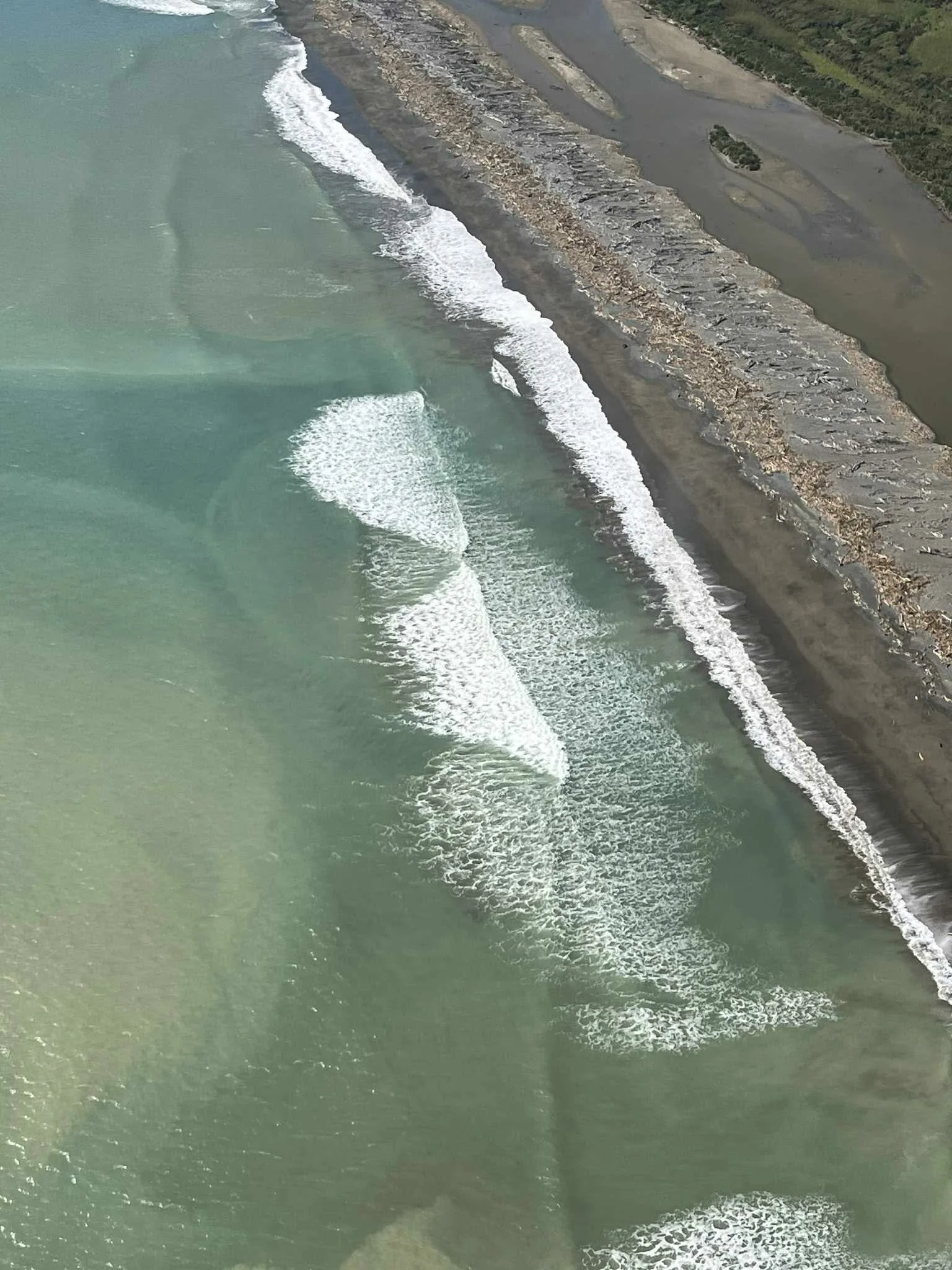
So far, over 70 farm and whenua assessments have been completed across the rohe. These visits have covered both Māori land and general title land, with a wide range of ownership arrangements — from individual landowners to trusts and incorporations. Each assessment has involved walking the whenua together with whānau, seeing the impacts firsthand, and carefully noting things like slips, access issues, fencing damage, sediment and debris movement, erosion, and impacts on on-farm infrastructure.
This mahi has meant long days, often starting before 7am and finishing late in the evening. Whānau have been there throughout — sharing their knowledge of the whenua, their history, and what has changed since the storm. Much of our understanding has been built through one-on-one kōrero: at the farm gate, in sheds, and around kitchen tables. This way of working ensures what we record truly reflects whānau experiences, not just what can be seen from a distance.
What has stood out is that the kōrero hasn’t stopped once the site visits ended. After Bella and Pania returned to Gisborne, whānau continued to get in touch — adding more detail, flagging further impacts, or connecting us with neighbouring blocks and whānau who also needed support. This ongoing contact has strengthened relationships and helped make sure nothing important has been missed.
Responding to these requests, Pania returned to Matakaoa for a further two days, following up with whānau and assessing areas of whenua that weren’t accessible during the first round of visits. This extra time on the coast meant outstanding concerns could be addressed and ensured all whānau who needed support were seen and heard.
No matter the ownership structure — whether working with owners, trustees, or wider whānau — the response on the ground has been the same. Whānau have shared how much they value having people present, taking the time to listen and really understand what they are dealing with. This mahi is about relationships, not transactions — supporting whānau through the immediate challenges while making sure their voices are carried through into the wider recovery picture.
Once assessments are complete, a careful process will be undertaken to triple-check information before it is shared more widely. This will allow Tairāwhiti Whenua to confidently engage with local and central government agencies, ministers’ offices, Civil Defence, funders, forestry partners, and other regional organisations, so everyone is working from the same, accurate picture. The shared focus is on how we can best support landowners and farmers as they begin the journey to build back better.
Now, Bella and Pania are working closely with Matene Blandford and his team from Rata Forestry to bring this information together into a coordinated plan that supports recovery and longer-term resilience for whānau in Matakaoa. This next phase is about looking ahead — strengthening connections, improving coordination, and ensuring whānau are supported not just now, but into the future.
The impacts of the storm are widespread and ongoing, and the response across the region continues to evolve. Through it all, our focus remains on being present, listening carefully, and keeping whānau connected to the right support as recovery planning moves forward.
This on-the-ground mahi gives us a strong foundation for the next steps — informing decisions, supporting funding and recovery discussions, and working together in a coordinated way.
We are still in a state of emergency and we are looking forward to meeting with agencies and local organisations to build the recovery plan together. Kia kaha e te whānau. We are here with you, and we will keep walking alongside you as you rebuild and look ahead.